
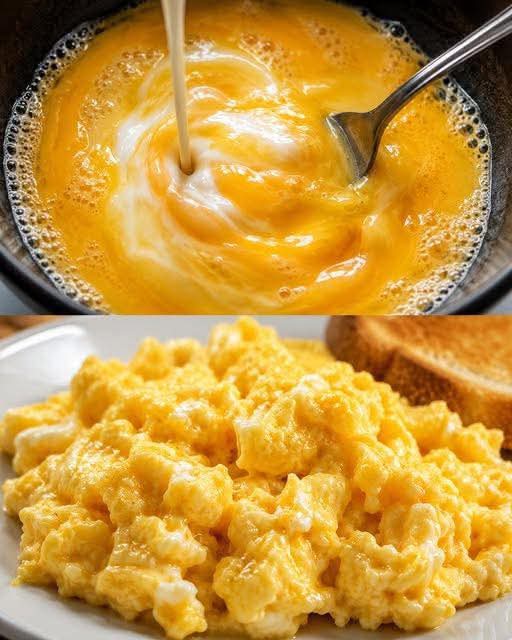
There are scrambled eggs that are dry, rubbery, and bland, and then there are scrambled eggs that are fluffy, creamy, custard‑like, and absolutely irresistible. The difference between a sad pile of overcooked eggs and a glorious, golden, soft scramble comes down to a few simple techniques. Whether you prefer them soft and creamy (the French way) or fluffy and pillowy (the American way), this guide will teach you everything you need to know to make perfect scrambled eggs every single time. If you are searching for a perfect scrambled eggs recipe that delivers restaurant‑quality results at home, this is the only guide you will ever need.
Scrambled eggs are a breakfast staple, a quick weeknight dinner, and a canvas for endless add‑ins – cheese, herbs, vegetables, or even leftover salmon. They are protein‑packed, budget‑friendly, and ready in under 10 minutes. This how to make scrambled eggs guide will turn you into a breakfast hero.
In this complete guide, you will learn the science behind creamy scrambled eggs, two different methods (French and American), pro tips for the fluffiest texture, delicious variations (add cheese, mushrooms, or smoked salmon), storage and reheating instructions, and answers to all your scrambled egg questions. Let’s crack some eggs.
Why Scrambled Eggs Are a Breakfast Hero
Scrambled eggs are incredibly versatile, ready in under 10 minutes, packed with high‑quality protein, budget‑friendly, and customizable with endless add‑ins. Whether you need a quick breakfast before work, a post‑workout protein boost, or a light dinner, scrambled eggs deliver. The key to great scrambled eggs is gentle heat, patience, and knowing when to stop cooking. This is a high protein breakfast that can be made in minutes.
Here is why you will love them:
Ready in under 10 minutes – Faster than oatmeal.
Packed with protein – 6g of protein per egg.
Incredibly versatile – Add cheese, herbs, veggies, or meat.
Budget‑friendly – Eggs are one of the cheapest protein sources.
Kid‑friendly and adult‑loved – A guaranteed hit.
Great for any meal – Breakfast, lunch, or dinner.
Customizable for diets – Keto, low‑carb, vegetarian, gluten‑free.
Once you master this fluffy scrambled eggs recipe, you will never settle for dry, overcooked eggs again.
The Complete Scrambled Eggs Recipe (Two Methods)
This guide covers two popular methods: the American style (fluffy, firmer curds) and the French style (creamy, soft, custard‑like). Both are delicious – choose based on your preference.
Ingredients (Base Recipe for 2 Servings):
4 large eggs (room temperature is best)
2 tablespoons milk, cream, or water (optional – adds tenderness; water creates fluffier eggs, cream creates richer eggs)
¼ teaspoon salt
⅛ teaspoon black pepper
1 tablespoon butter or olive oil
Optional add‑ins: shredded cheese, fresh herbs, diced ham, mushrooms, spinach, etc.
Equipment:
- Non‑stick skillet (8‑10 inch)
- Silicone spatula or wooden spoon
- Whisk or fork
- Mixing bowl
Method 1: American‑Style Scrambled Eggs (Fluffy, Pillowy)
Step 1 – Whisk the Eggs Thoroughly
In a mixing bowl, crack the eggs. Add the milk (or water), salt, and pepper. Whisk vigorously for 30‑60 seconds until the eggs are homogenous and slightly frothy. Whisking incorporates air, which creates fluffiness.
Step 2 – Heat the Pan
Heat a non‑stick skillet over medium heat. Add the butter and let it melt until foamy but not browning. Do not let the butter burn.
Step 3 – Pour and Wait
Pour the eggs into the skillet. Let them sit undisturbed for 10‑15 seconds until the edges begin to set.
Step 4 – Scrape and Fold
Using a silicone spatula, gently push the cooked eggs from the edges toward the center, tilting the pan to let uncooked egg flow to the edges. Continue scraping and folding for 1‑2 minutes, until the eggs are mostly set but still look soft and slightly wet. Remove from heat just before they look done – they will continue cooking from residual heat.
Step 5 – Serve Immediately
Plate the eggs immediately. They should be fluffy, soft, and tender. Add any toppings or mix‑ins at the last moment.
Method 2: French‑Style Scrambled Eggs (Creamy, Custard‑Like)
French scrambled eggs are cooked over lower heat with constant stirring, resulting in a creamy, almost sauce‑like texture. They are rich, decadent, and perfect for spreading on toast.
Step 1 – Whisk the Eggs
Whisk the eggs, salt, and pepper together (no milk or water needed for French style – the creaminess comes from the technique). Whisk until smooth.
Step 2 – Low and Slow
Heat a non‑stick skillet over low heat. Add the butter and let it melt slowly. Pour in the eggs.
Step 3 – Stir Constantly
Using a silicone spatula, stir the eggs continuously in small circles, scraping the bottom of the pan. Do not stop stirring. This prevents large curds from forming and creates a creamy, custard‑like texture. Cook for 5‑7 minutes, until the eggs are thick and creamy but still very soft. Remove from heat while they still look slightly underdone.
Step 4 – Finish with Crème Fraîche (Optional)
For extra creaminess, stir in 1 tablespoon of crème fraîche or sour cream off the heat. Serve immediately on toast or with chives.
Pro Tips for the Best Scrambled Eggs
Follow these expert tips for perfect scrambled eggs every time:
Use room temperature eggs – Cold eggs can cause uneven cooking. Leave them on the counter for 15‑20 minutes before cooking.
Do not overbeat – Whisk just until combined. Over‑whisking can make the eggs tough.
Use a non‑stick skillet – This prevents sticking and makes cleanup easy.
Use a silicone spatula – It is gentle on the pan and scrapes every bit of egg.
Remove from heat before they look done – Eggs carry over heat and will continue cooking off the stove. Aim for slightly wet and glossy.
Season at the end (for some chefs) – Salt can draw out moisture if added too early. Add salt just before or during cooking.
Add dairy for tenderness – Milk, cream, or even a splash of water creates steam, making eggs fluffier. Water creates the fluffiest texture.
Use butter, not oil, for the best flavor – Butter adds a rich, nutty taste that complements eggs perfectly.
Want the full truth and the practical next steps?
Page 2 continues with the real explanation, the key details many readers skip, and the simple takeaways that make this guide more useful.