
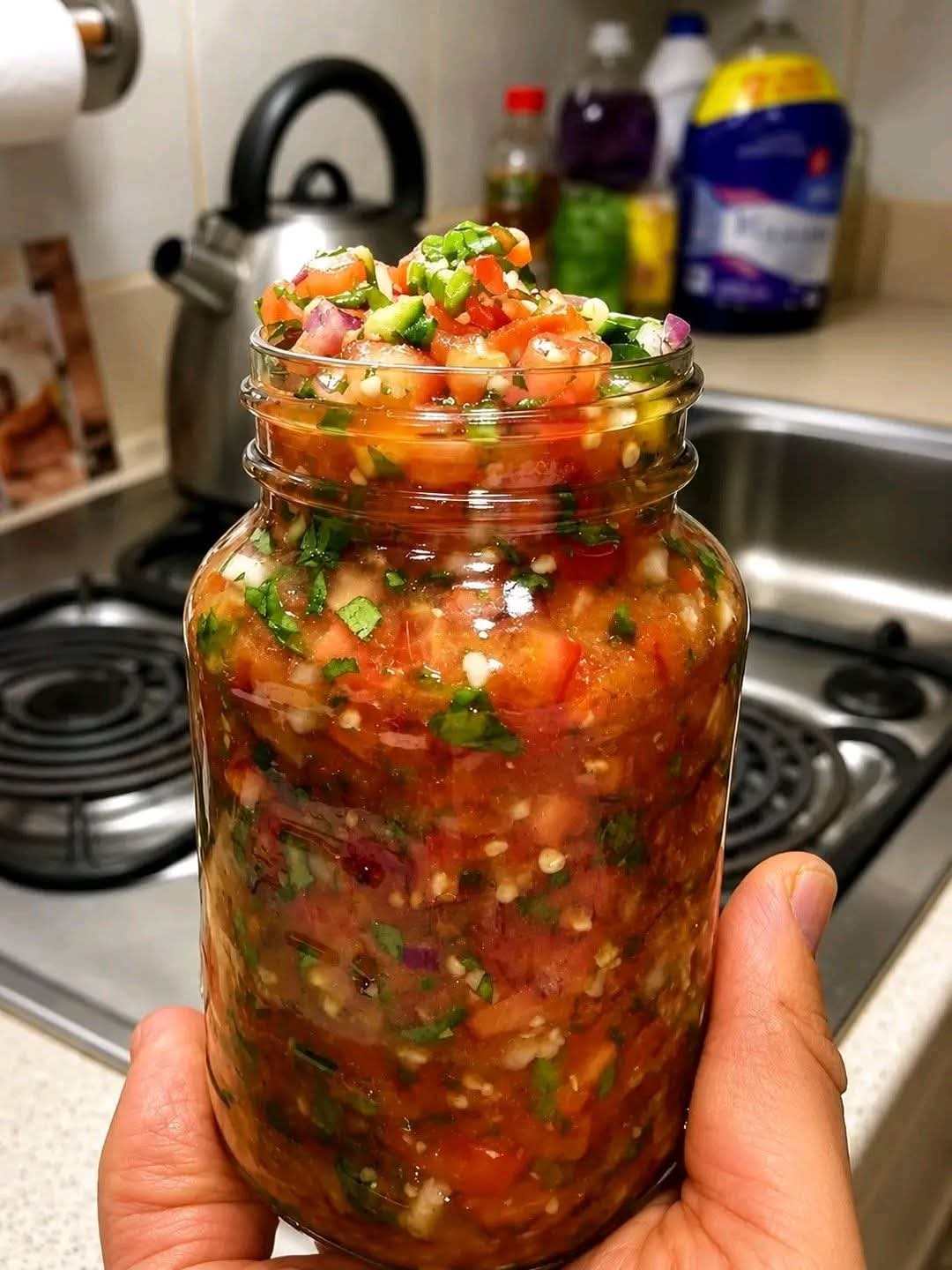
There are salsas that are merely a condiment, and then there are salsas that are a celebration – the kind that burst with the fresh, vibrant flavors of summer and make you want to eat them with a spoon. Pico de Gallo is emphatically the latter. Imagine the bright, juicy sweetness of ripe tomatoes, the crisp bite of fresh onions, the zesty pop of cilantro, and the perfect kick of jalapeño, all brought together with a squeeze of lime and a sprinkle of salt. It’s the freshest, most honest salsa you’ll ever taste – simple, clean, and absolutely irresistible.
If you’ve ever wondered why restaurant pico de gallo tastes so much better than store‑bought, the answer is simple: freshness. This recipe is about to show you just how easy it is to make restaurant‑quality pico de gallo at home with just a handful of fresh ingredients. It’s the perfect topping for tacos, burritos, and grilled meats, a delicious dip for tortilla chips, or a bright, refreshing addition to any meal. Once you try homemade pico de gallo, you’ll never go back to the jarred stuff again.
What Is Pico de Gallo?
At its heart, pico de gallo is a fresh, uncooked salsa made from finely chopped tomatoes, onions, cilantro, jalapeños, and lime juice. It’s known by many names – salsa fresca, salsa cruda, or salsa bandera (flag salsa) – and is a staple of Mexican cuisine. Unlike cooked salsas, pico de gallo is served raw, preserving the bright, crisp flavors of its ingredients. The name “pico de gallo” translates to “rooster’s beak,” which is thought to refer to the way the ingredients are picked up with the thumb and forefinger (like a rooster pecking).
This recipe falls into the category of “fresh condiments” and “healthy appetizers” – the kind of dish that’s both delicious and nutritious. Pico de gallo is naturally low in calories, packed with vitamins, and bursting with flavor. It’s the perfect way to add a pop of freshness to any meal.
What makes this version especially brilliant is the balance of flavors. The sweetness of ripe tomatoes, the sharpness of onion, the heat of jalapeño, the bright herbaceousness of cilantro, and the tangy acidity of lime juice come together in perfect harmony. The key is using the freshest ingredients and cutting them to the right size – small enough to be scoopable, but large enough to retain their texture.
Why You’ll Love This Recipe
There are countless reasons to fall in love with this Pico de Gallo. Here are just a few that will have you making it on repeat:
Incredibly fresh and vibrant – nothing compares to the flavor of freshly made pico de gallo.
Quick and easy – comes together in just 10–15 minutes.
Simple, wholesome ingredients – just fresh vegetables, herbs, and lime.
Healthy and nutritious – low in calories, packed with vitamins.
Versatile – perfect for tacos, burritos, grilled meats, salads, and more.
Budget‑friendly – affordable ingredients that go a long way.
Customizable – adjust the heat, add different herbs, or change the vegetables.
Kid‑friendly – you can make a milder version for kids.
Make‑ahead friendly – it gets better as it sits!
Always a crowd‑pleaser – everyone loves fresh, zesty pico de gallo.
This is the recipe that will make you the hero of any taco night. It’s proof that you don’t need complicated techniques to create something truly spectacular.
Ingredients for Pico de Gallo
This recipe uses simple, fresh ingredients that come together beautifully. Here’s what you’ll need:
Core Ingredients
1½ pounds ripe Roma tomatoes (about 4–5 tomatoes)
1 medium white or red onion (about ¾ cup finely chopped)
1–2 jalapeño peppers (or serrano for more heat)
½ cup fresh cilantro, finely chopped (stems removed)
2 tablespoons fresh lime juice (about 1–2 limes)
½ teaspoon salt (or to taste)
¼ teaspoon black pepper (optional)
Optional Add‑Ins
- ½ cup diced avocado – for extra creaminess
- ½ cup fresh corn kernels – for sweetness
- 1 clove garlic, minced – for extra depth
- ¼ teaspoon cumin – for a warm, earthy note
- 1 tablespoon olive oil – for a richer texture
Ingredient Notes and Substitutions
Tomatoes: Roma tomatoes are ideal – they’re meaty, have fewer seeds, and hold their shape well. You can also use vine‑ripened or heirloom tomatoes for a more complex flavor. Avoid overripe tomatoes – they’ll release too much liquid and make the pico de gallo watery.
Onion: White onion is traditional – it’s crisp and has a sharp, clean flavor. Red onion adds a milder, slightly sweeter flavor and beautiful color. If you find raw onion too pungent, soak the chopped onion in cold water for 10 minutes, then drain and pat dry.
Jalapeño: For a milder salsa, remove the seeds and membranes from the jalapeño. For extra heat, leave them in. You can also substitute with serrano peppers for a more intense spice.
Cilantro: Fresh cilantro is essential for authentic pico de gallo. If you’re not a fan of cilantro, you can substitute with flat‑leaf parsley, but the flavor will be different.
Lime Juice: Freshly squeezed lime juice is non‑negotiable. Bottled lime juice has a different flavor and won’t taste as bright.
Step‑by‑Step Instructions
Follow these simple steps to create a perfect batch of Pico de Gallo every single time. The process is quick, easy, and virtually foolproof.
1. Prepare the Ingredients
Wash all the vegetables thoroughly. Cut the tomatoes in half, scoop out the seeds (if desired – this helps prevent watery salsa), and dice them into small, uniform pieces (about ¼ inch). Finely chop the onion and jalapeño. Chop the cilantro leaves (discard the thick stems).
2. Combine Everything
In a medium bowl, combine the diced tomatoes, onion, jalapeño, and cilantro.
3. Add Lime and Salt
Squeeze the fresh lime juice over the mixture and sprinkle with salt. Toss gently to combine.
4. Let It Rest
Cover the bowl and let the pico de gallo rest at room temperature for at least 15–20 minutes. This allows the flavors to meld and the salt to draw out the juices, creating a delicious, flavorful salsa.
5. Taste and Adjust
Taste the pico de gallo and adjust the seasoning – add more salt, lime juice, or jalapeño as needed.
6. Serve
Serve immediately, or refrigerate until ready to use. Pico de gallo is best served within a few hours of making it, but it will keep for up to 2 days in the refrigerator.
Expert Tips for the Perfect Pico de Gallo
This recipe is simple, but a few expert tricks will elevate it to perfection. Here’s what I’ve learned from making pico de gallo countless times:
Use the freshest ingredients – the quality of the tomatoes, cilantro, and lime makes a huge difference.
Dice everything uniformly – uniform pieces ensure that every bite has the perfect balance of flavors.
Don’t overmix – gently toss the ingredients to combine. Overmixing can break down the tomatoes and make the salsa watery.
Let it rest – letting the pico de gallo sit for 15–20 minutes allows the flavors to meld and the salt to draw out the juices.
Drain excess liquid – if the pico de gallo becomes watery, you can drain off some of the liquid before serving.
Adjust the heat – the heat of jalapeños can vary. Start with one pepper and add more to taste.
Add avocado at the last minute – if you’re adding avocado, fold it in just before serving to prevent it from browning.
Make it ahead – pico de gallo is best made 1–2 hours ahead to allow the flavors to meld. It will keep for 1–2 days in the refrigerator.
Delicious Variations
One of the best things about this recipe is how easily it adapts to different tastes and cravings. Here are some of my favorite ways to switch it up:
Mango Pico de Gallo
Add 1 cup of diced fresh mango to the mixture. The sweet, tropical fruit adds a wonderful contrast to the spicy, savory flavors.
Pineapple Pico de Gallo
Add 1 cup of diced fresh pineapple for a sweet, tangy twist. This is especially delicious with grilled fish or pork.
Spicy Pico de Gallo
Add 2–3 serrano peppers instead of jalapeños, and keep the seeds in for extra heat. You can also add a dash of cayenne or hot sauce.
Avocado Pico de Gallo
Fold in 1 diced avocado just before serving. The creamy avocado adds a wonderful richness to the fresh salsa.
Corn and Black Bean Pico de Gallo
Add ½ cup of fresh corn kernels and ½ cup of black beans. This turns pico de gallo into a hearty, Southwestern‑style salad.
Grilled Pico de Gallo
Grill the tomatoes, onion, and jalapeño before dicing. The char adds a smoky depth that’s absolutely delicious.
Cucumber Pico de Gallo
Add ½ cup of finely diced cucumber for a refreshing, hydrating twist. This is perfect for hot summer days.
Serving Suggestions
This versatile salsa can be served in a variety of ways, making it perfect for any occasion:
With tortilla chips – the classic pairing that never fails.
On tacos – the perfect topping for any taco, from fish to carne asada.
On burritos or bowls – adds freshness to any Mexican meal.
With grilled meats – pairs beautifully with grilled chicken, steak, or fish.
With eggs – a delicious topping for scrambled eggs or huevos rancheros.
On salads – adds a zesty, fresh note to any salad.
As a dip for fresh vegetables – a healthy, flavorful snack.
Storage and Reheating Guidelines
This salsa stores beautifully, making it a fantastic make‑ahead option.
Refrigeration: Store pico de gallo in an airtight container in the refrigerator for up to 2 days. The flavors will continue to meld, but the tomatoes will soften and release more liquid over time.
Freezing: Pico de gallo does not freeze well – the vegetables will become watery and lose their texture. It’s best enjoyed fresh.
Pro tip: If the pico de gallo becomes too watery, drain off the excess liquid before serving.
Want the full truth and the practical next steps?
Page 2 continues with the real explanation, the key details many readers skip, and the simple takeaways that make this guide more useful.