
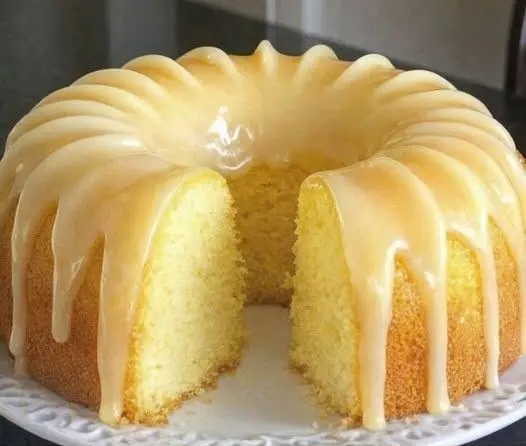
A classic Southern favorite with a fizzy twist – this tender, buttery cake is bursting with fresh lemon flavor, and the 7UP ensures a crumb so light and moist, you’ll never bake a plain pound cake again.
There are some recipes that feel like they’ve been passed down through generations – the kind that appear at every family gathering, church potluck, and summer b6arbecue. This Lemon 7UP Cake is one of those legendary desserts. It’s a Southern classic that has stood the test of time for one simple reason: it works. The carbonation from the lemon‑lime soda creates an impossibly tender, fine crumb, while the fresh lemon zest and juice provide a bright, sunny flavor that cuts through the buttery richness. It’s the ultimate pound cake – dense enough to be satisfying, yet light enough to disappear in minutes.
I first encountered this cake at a family reunion in the Deep South, where it was the undisputed star of the dessert table. Slices were being handed out before the main course was even served. The baker, a great‑aunt with decades of experience, told me her secret: “Honey, it’s the fizz that makes it fluffy.” And she was right. The 7UP (or any lemon‑lime soda) reacts with the baking powder to create tiny bubbles that lift the batter, resulting in a cake that’s unbelievably moist and velvety. Paired with a tangy lemon glaze that sinks into every crevice, it’s a dessert that feels both nostalgic and fresh – a true crowd‑pleaser for any occasion.
What I love most about this recipe is its simplicity and reliability. It uses basic pantry staples, comes together in one bowl, and doesn’t require any fancy techniques. Whether you’re a seasoned baker or a complete beginner, this cake will make you look like a pro. In this comprehensive guide, I’ll walk you through every step, share my best pro tips for a perfect bake, offer creative variations, answer your burning questions, and explain why this cake has earned its place as a timeless favorite in kitchens across the country.
✨ Why this Lemon 7UP Cake is a must‑bake:
• Incredibly moist – the soda ensures a tender, velvety crumb.
• Bursting with lemon – fresh zest and juice in the cake and the glaze.
• Simple ingredients – no fancy equipment or hard‑to‑find items.
• Perfect for any occasion – birthdays, holidays, or a simple Sunday dessert.
• Keeps beautifully – stays moist for days (if it lasts that long!).
📋 The Recipe – Easy Lemon 7UP Cake
Prep: 20 min · Cook: 1 hr 15 min · Total: ~1.5 hrs
Servings: 12–16 · Diet: Vegetarian
🥣 Ingredients
- For the cake:
- 1½ cups (340g) unsalted butter, softened
- 2½ cups (500g) granulated sugar
- 6 large eggs, at room temperature
- 3 cups (360g) all‑purpose flour
- ½ teaspoon baking powder
- ½ teaspoon salt
- 1 cup (240ml) 7UP or lemon‑lime soda, at room temperature
- 2 tablespoons fresh lemon zest (from about 2 lemons)
- 2 teaspoons lemon extract (or vanilla extract, if you prefer)
- For the lemon glaze:
- 2 cups (240g) powdered sugar, sifted
- 3–4 tablespoons fresh lemon juice
- 1 tablespoon lemon zest
- 1–2 tablespoons milk or heavy cream (adjust for consistency)
👩🍳 Step‑by‑Step Instructions
- Preheat and prep: Preheat your oven to 325°F (165°C). Grease a 10‑inch (12‑cup) bundt pan or a 9×13‑inch baking dish with butter or non‑stick spray, then dust with flour. Tap out the excess.
- Cream the butter and sugar: In a large bowl, using an electric hand mixer or stand mixer fitted with the paddle attachment, beat the butter and sugar together on medium speed until light and fluffy – about 4–5 minutes. Scrape down the sides as needed.
- Add the eggs one at a time: Beat in the eggs one at a time, allowing each to fully incorporate before adding the next. Mix in the lemon zest and lemon extract.
- Combine dry ingredients: In a separate bowl, whisk together the flour, baking powder, and salt.
- Alternate wet and dry: With the mixer on low speed, add the flour mixture in three additions, alternating with the 7UP, beginning and ending with the flour. Mix just until combined – do not overmix.
- Bake: Pour the batter into the prepared pan and smooth the top. Bake for 1 hour and 15 minutes, or until a toothpick inserted into the center comes out clean and the top is deep golden brown. If the top is browning too quickly, tent with foil.
- Cool: Let the cake cool in the pan for 15 minutes, then invert onto a wire rack to cool completely.
- Make the glaze: In a small bowl, whisk together the powdered sugar, lemon juice, lemon zest, and enough milk to reach a pourable but thick consistency. Drizzle over the cooled cake.
💡 Pro tip: For an extra burst of lemon, poke holes in the warm cake with a skewer and brush some of the glaze over while it’s still warm – it soaks right in!
~450Calories
6gProtein
22gFat
60gCarbs
The Science of the Fizz – Why 7UP Makes This Cake So Special
At first glance, adding a carbonated soda to a cake batter might seem like a gimmick – but there’s real chemistry behind it. The carbonation in 7UP does two important things:
- Acidity: The citric acid and phosphoric acid in lemon‑lime soda help tenderize the gluten in the flour, resulting in a finer, more delicate crumb. This is the same principle behind using buttermilk or sour cream in cakes – acid weakens gluten strands, preventing toughness.
- Carbonation: The bubbles of carbon dioxide are released into the batter, creating tiny air pockets that expand during baking. This adds lift and lightness to what would otherwise be a dense pound cake. The bubbles also help the cake rise evenly, giving it that beautiful, domed top.
When combined with the creaming method (beating butter and sugar until fluffy), the soda creates a cake that’s exceptionally moist and tender – the perfect texture for a cake that stays fresh for days. It’s also worth noting that the lemon‑lime flavor of the soda is subtle, but it adds a background brightness that complements the fresh lemon zest and juice.
The Creaming Method – Getting That Perfect Texture
This cake relies on the creaming method – the process of beating butter and sugar together until light and fluffy. This is crucial because it incorporates air into the batter, which, along with the baking powder and carbonation, gives the cake its lift. Here’s how to do it right:
- Use room‑temperature butter. Cold butter won’t cream properly, and melted butter won’t incorporate air.
- Beat the butter and sugar for a full 4–5 minutes on medium speed. The mixture should be pale, fluffy, and noticeably lighter in color. Don’t rush this step – it’s the foundation of a tender cake.
- Scrape down the bowl and beaters several times to ensure everything is incorporated.
- Add eggs one at a time, beating well after each. This ensures a stable emulsion and prevents the batter from separating.
Lemon – Bright, Bold, and Beautiful
This cake is all about the lemon, so don’t skimp on the zest or juice. Use fresh lemons – the bottled stuff simply won’t give you the same vibrant, floral aroma. The zest contains the essential oils that carry the most intense lemon flavor, so be sure to zest before you juice. For the best results, use a microplane or fine grater to get only the bright yellow outer layer – avoid the white pith, which is bitter.
The lemon extract adds an extra layer of citrus intensity. If you don’t have lemon extract, you can use vanilla extract, which will give you a more classic, buttery pound cake flavor – but the lemon version is truly special. I also like to add a pinch of lemon juice to the glaze for a tangy finish that cuts through the sweetness.
Pro Tips for a Perfect Lemon 7UP Cake
🥚 Room‑temperature ingredients – Butter, eggs, and 7UP should all be at room temperature for a smooth, homogenous batter that rises evenly.
🥄 Don’t overmix – Once you add the flour, mix just until combined. Overmixing develops gluten, which can make the cake tough.
🔪 Grease the pan well – Use butter or non‑stick spray, then dust with flour. A bundt pan can be tricky, so be thorough to prevent sticking.
🍋 Poke and soak – While the cake is still warm, poke holes with a skewer and brush with a little extra lemon juice mixed with powdered sugar – it soaks in and adds moisture.
Endless Variations – Make This Cake Your Own
Once you’ve mastered the classic, try these creative twists:
- Strawberry Lemon: Fold in 1 cup of diced fresh strawberries (tossed in a little flour to prevent sinking) into the batter.
- Blueberry Lemon: Add 1 cup of fresh or frozen blueberries – the combination is a summer dream.
- Lemon Poppy Seed: Fold in 2 tablespoons of poppy seeds for a classic brunch favorite.
- Gluten‑Free: Use a 1‑to‑1 gluten‑free flour blend (like King Arthur) – the texture may be slightly different, but still delicious.
- Lime or Orange: Swap the lemon zest and juice for lime or orange – the 7UP is a perfect partner for any citrus.
- Glaze variations: Add a splash of limoncello or Grand Marnier to the glaze for an adults‑only twist.
Each variation starts with the same reliable base, so you can experiment freely without fear of failure.
Serving Suggestions – The Best Ways to Enjoy This Cake
This cake is wonderful on its own, but here are a few ways to elevate it:
- With a dollop of whipped cream – lightly sweetened vanilla cream adds a lovely contrast.
- With fresh berries – strawberries, raspberries, or blackberries add color and a tart counterpoint.
- Alongside a cup of tea or coffee – the bright lemon flavor pairs beautifully with a hot beverage.
- As a trifle base – cube the cake and layer it with lemon curd, whipped cream, and berries for a show‑stopping dessert.
Want the full truth and the practical next steps?
Page 2 continues with the real explanation, the key details many readers skip, and the simple takeaways that make this guide more useful.