
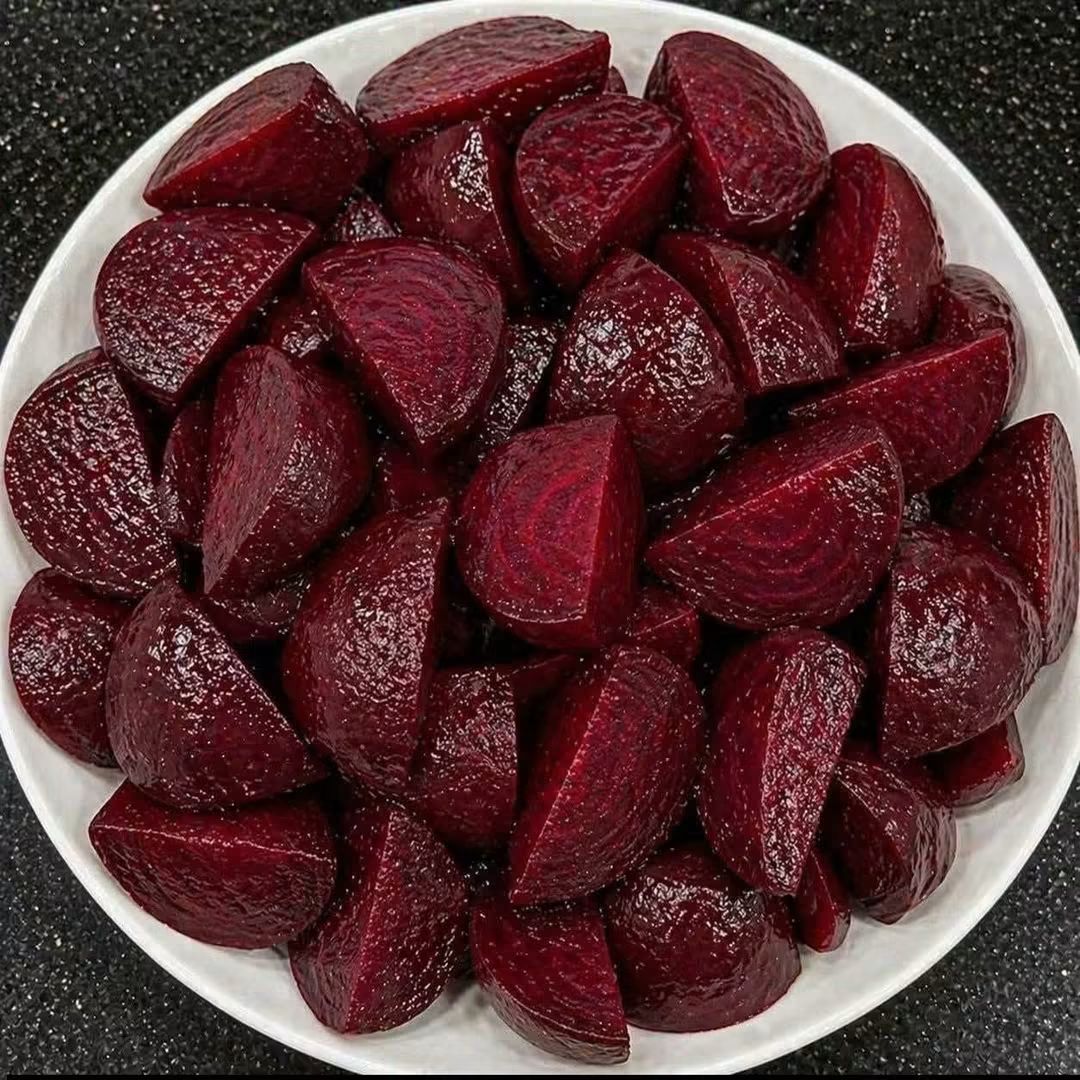
Beets are one of nature’s most vibrant and nutrient-dense root vegetables. With their deep ruby-red color and earthy sweetness, they’ve earned a well-deserved reputation as a functional food with an impressive array of health benefits. But did you know that fermenting beets can unlock even more nutritional power? This article explores the science-backed benefits of both fresh beets and fermented beets, and why you should consider adding them to your regular diet.
The Nutritional Powerhouse of Beets
Beets (Beta vulgaris) are packed with essential vitamins, minerals, and bioactive compounds. A half-cup of cooked beets contains only about 40 calories, no fat, and no cholesterol, making them an incredibly nutrient-dense food choice. They’re a rich source of dietary fiber and essential minerals including calcium, phosphorus, iron, potassium, sodium, magnesium, manganese, zinc, and copper. Beets also contain a wide range of vitamins, including folate, vitamin C, vitamin B6, and vitamin E.
The vibrant color of beets comes from betalains, natural plant pigments that function as powerful antioxidants. These pigments protect cells from oxidative stress and inflammation, and are believed to be responsible for many of beetroot’s health-promoting properties.
Proven Health Benefits of Beets
- Lowers Blood Pressure and Supports Heart Health
One of the most well-researched benefits of beets is their ability to lower blood pressure. Beets are rich in dietary nitrates, which the body converts into nitric oxide—a crucial molecule that helps relax and widen blood vessels, enhancing blood flow and reducing blood pressure.
A 2024 systematic review and meta-analysis published in Nutrition, Metabolism and Cardiovascular Diseases found that daily ingestion of 200–800 mg of nitrate from beetroot juice significantly reduced clinical systolic blood pressure in hypertensive individuals by an average of 5.31 mmHg, with no sign of tolerance development. This effect is particularly pronounced because beetroot juice appears to be more effective than nitrate salts for delivering these benefits.
Beyond blood pressure, beets support heart health by improving arterial health, supporting lower homocysteine levels, and reducing LDL cholesterol.
- Powerful Anti-Inflammatory and Antioxidant Effects
Beets contain betalains, natural pigments that act as antioxidants, protecting cells from oxidative stress and inflammation. Chronic inflammation is linked to numerous diseases, including type 2 diabetes, high blood pressure, heart disease, asthma, and obesity. The betalains in beets demonstrate potent antioxidant, anti-inflammatory, and chemo-preventive activity in both in vitro and in vivo studies.
- May Help Prevent Cancer
Research suggests that the betalains in beets have antitumoral potential. A comprehensive review found that pure betanin reduced malignant cells by up to 65% in vitro by modulating apoptosis through the activation of caspases. Studies also show that beetroot ingestion can be useful for cancer prevention, with beetroot extracts demonstrating significant tumor inhibitory effects in animal models.
- Enhances Exercise Performance
Beetroot juice is a popular supplement among athletes, and for good reason. The nitrates in beets improve oxygen efficiency, which can enhance exercise performance. A meta-analysis found that beetroot juice supplementation had a small but significant effect on VO2max (maximal oxygen uptake) in healthy adults. The nitrates increase nitric oxide bioavailability, which reduces blood pressure during exercise and improves muscle contractile function.
- Supports Digestive Health
Beets are an excellent source of fiber—one cup contains about 3.4 grams. This fiber contributes to a sense of fullness, helps control appetite, lowers cholesterol, and promotes regular bowel movements.
Fermented Beets: The Next Level of Nutrition
While fresh beets are incredibly healthy, fermenting them unlocks even more benefits. Fermentation is a traditional food preservation method that uses beneficial bacteria to break down sugars and other compounds, creating new bioactive molecules with enhanced health properties.
How Fermentation Enhances Beets
Fermented beetroot juice is increasingly recognized as a functional food with a broad range of beneficial health properties. It has been suggested to have antioxidant, anti-inflammatory, anticancer, antihypertensive, immunomodulatory, and probiotic effects.
The fermentation process enhances the free phenolic content in beetroot juice, increasing the antioxidant activity significantly. A study published in Foods found that fermented beetroot juice without salt showed the most promising antioxidant potential, with high FRAP and ABTS values.
- Powerful Gut Health and Digestive Support
Fermented beet juice demonstrates remarkable gut-protective effects. A 2025 study found that fermented beet mixed juice prevented inflammation and oxidative stress while preserving epithelial integrity in the gut. The study showed that fermented beet juice alleviated colitis, restored tight-junction proteins, improved intestinal permeability, and reduced markers of inflammation and apoptosis.
- Probiotic Benefits
During fermentation, lactic acid bacteria (LAB) multiply, creating a probiotic-rich beverage. Fermented beet juice contains significant numbers of beneficial lactic acid bacteria, with concentrations reaching 10⁹ CFU/ml. These beneficial bacteria support a healthy gut microbiome, which is linked to improved digestion, immunity, and even mental health.
- Antidiabetic Potential
Fermented beetroot shows promising antidiabetic effects. A 2025 study found that a fermented beetroot product prevented hyperglycemia and dysbiosis in a prediabetic model. The fermented beetroot promoted the growth of beneficial gut bacteria like Clostridia UCG-014 and Lactobacilli, and enhanced short-chain fatty acid production. Short-chain fatty acids are crucial for gut health and metabolic regulation.
- Enhanced Antioxidant and Anti-Inflammatory Power
Fermentation increases the bioavailability of beets’ beneficial compounds. Studies show that lactic fermentation enhances the free phenolic content in beetroot juice, increasing the antioxidant activity from 19.7% to 45.99%. The fermentation process creates synergistic effects between betanin (the primary betalain in beets) and fermentation-derived levan-like polysaccharides, which together provide enhanced antioxidant, anti-inflammatory, and barrier-protective effects that go beyond the individual components.
- Protection Against Precancerous Changes
Animal studies have shown that lactofermented beetroot juice may provide protection against precancerous aberrant crypt formation and reduce the cytotoxic and genotoxic effects of fecal water, while improving the body’s oxidative status. Supplementation with lactofermented beetroot juice also reduced ammonia levels and positively modulated gut microflora.
How to Incorporate Beets and Fermented Beets into Your Diet
Fresh Beets:
· Roast, steam, or boil and add to salads
· Blend into smoothies with fruits and yogurt
· Grate raw into slaws and grain bowls
· Juice them for a nutrient-rich beverage
· Add to soups and stews for color and nutrition
Fermented Beets:
· Drink fermented beet juice as a daily tonic (start with 2–4 ounces)
· Add fermented beet slices to sandwiches and salads
· Use fermented beet juice as a base for salad dressings
· Look for traditionally fermented beet juice at health food stores or make your own
Important Considerations
While beets offer impressive health benefits, a few precautions are worth noting. Red beets can turn urine red (a harmless condition called beeturia). Enjoy beets in moderation, as eating more than one cup per day may contribute to gout and kidney stones in susceptible individuals. One cup of beets contains about 9 grams of sugar, so those monitoring blood glucose should be mindful of portions.
Beet supplements are not as beneficial as eating whole beets or drinking fresh juice, as supplements are not regulated by the FDA and their quality varies.
If you take blood pressure medication, consult your doctor before significantly increasing your beet intake, as the blood-pressure-lowering effects may be additive.
The Bottom Line
Beets are a nutritional powerhouse with proven benefits for blood pressure, heart health, inflammation, exercise performance, and digestion. Fermenting beets takes their health-promoting potential to the next level by adding probiotics, enhancing antioxidant activity, and creating new bioactive compounds with gut-protective and antidiabetic properties. Whether you enjoy them roasted, juiced, or fermented, this vibrant root vegetable is a worthy addition to any healthy diet.
Disclaimer: This information is for educational purposes only and is not a substitute for professional medical advice. Always consult your healthcare provider regarding your specific health concerns before making significant dietary changes.