
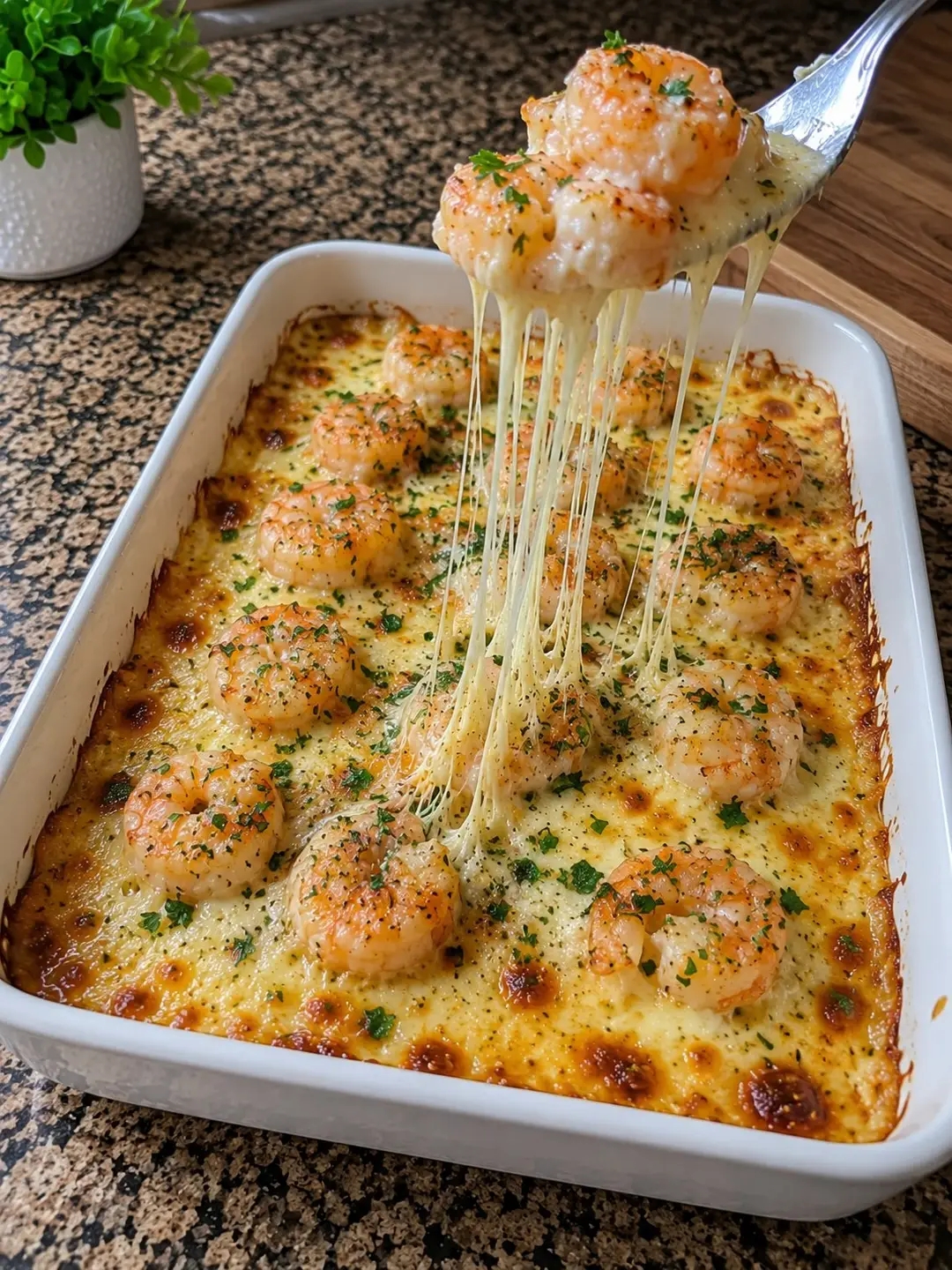
What if your dinner could do more than just satisfy your hunger? What if every single bite was carefully designed to nourish your body, fight inflammation, and flood your system with wholesome, healing ingredients—all while tasting like the most decadent, cheesy, garlicky indulgence? This Anti-Inflammatory Cheesy Garlic Shrimp Bake is exactly that meal. Plump, juicy shrimp are nestled in a velvety sauce made with extra-virgin olive oil, fresh garlic, turmeric, ginger, and a touch of lemon, then blanketed with a modest layer of mozzarella and Parmesan and baked until golden and bubbling. Tender baby spinach and sweet cherry tomatoes add a burst of color, fiber, and powerful antioxidants. Every spoonful delivers a creamy, savory, slightly tangy explosion of flavor that feels like comfort food but works quietly behind the scenes to support your joints, your gut, and your overall wellness. This is not just a delicious dinner—it’s a hug from the inside out.
Chronic inflammation is increasingly recognized as a root contributor to everything from joint pain and fatigue to serious long-term diseases. While no single meal can cure or prevent illness, the foods we consistently eat can either fuel inflammation or help calm it. This recipe brings together a lineup of powerful anti-inflammatory ingredients—wild-caught shrimp, leafy greens, tomatoes, garlic, ginger, turmeric, and extra-virgin olive oil—in a dish that feels indulgent but is genuinely supportive. The sauce is built on a base of sautéed garlic and olive oil, infused with turmeric and black pepper (the piperine in black pepper dramatically increases the absorption of curcumin, the active compound in turmeric). A little ginger adds warmth and additional anti-inflammatory benefits. Instead of heavy cream or a roux, we use a blend of Greek yogurt and a splash of broth to create a luscious, creamy texture that won’t weigh you down. The cheese is used thoughtfully—just enough to create that irresistible golden, bubbly crust and a satisfying savory depth without overwhelming the dish. And the shrimp, quick-cooking and lean, provide high-quality protein along with astaxanthin, a potent antioxidant. This is feel-good food that truly lives up to the name: you’ll finish your plate feeling content, energized, and completely nourished.
In this comprehensive guide, I’ll walk you through every detail of making this anti-inflammatory cheesy garlic shrimp bake—from understanding why each ingredient was chosen for its health benefits to the simple, one-skillet technique that ensures perfectly cooked shrimp and a silky, never-grainy sauce. You’ll find make-ahead tips, substitutions for various dietary needs, and serving suggestions to round out the meal. Whether you’re actively following an anti-inflammatory diet, cooking for a loved one with specific health concerns, or simply seeking a delicious, feel-good dinner, this recipe is destined to become a staple in your kitchen. Let’s get that oven preheated and fill your home with the most incredible aroma.
Why You’ll Love This Cheesy Garlic Shrimp Bake
Packed with anti-inflammatory ingredients that actually taste amazing. This isn’t a boring “health food” casserole. It’s loaded with shrimp, garlic, turmeric, ginger, spinach, tomatoes, and olive oil—all recognized for their inflammation-fighting properties. Yet the flavor is rich, garlicky, cheesy, and completely satisfying. You won’t feel like you’re making a sacrifice; you’ll feel like you’re treating yourself. The best kind of healthy eating is the kind that makes you excited for dinner.
A one-skillet wonder that’s ready in under 40 minutes. The shrimp and sauce come together in a single oven-safe skillet. After a quick sear, the shrimp rest while you build the creamy, turmeric-infused sauce right in the same pan. Everything gets topped with a little cheese and baked until bubbly and golden. Cleanup is minimal, and the active cooking time is about 20 minutes—perfect for a busy weeknight when you want something nourishing and impressive without a sink full of dishes.
Luxuriously creamy, but without heavy cream. The sauce gets its velvety texture from Greek yogurt (or a dairy-free alternative), which adds protein and a pleasant tang. Combined with the aromatic base of olive oil, garlic, turmeric, ginger, and a little Parmesan, it tastes indulgent but leaves you feeling light and energized. There’s no flour, no butter, and no heavy cream—just real, wholesome ingredients working together beautifully.
Adaptable to virtually any dietary preference. Make it dairy-free by using coconut yogurt and dairy-free cheese. Make it paleo by omitting the cheese entirely and adding a sprinkle of nutritional yeast. Swap the shrimp for chunks of salmon or even chickpeas for a plant-based version. The core of the recipe—the anti-inflammatory garlic-turmeric-ginger sauce—remains the same and can be paired with an endless variety of proteins and vegetables. This is a template you’ll return to again and again, adapting it to what’s in your fridge and what your body craves.
The Anti-Inflammatory Power Players
Let’s take a closer look at the key ingredients in this dish and the specific ways they help fight inflammation.
Turmeric: The golden spice that gives this dish its warm hue, turmeric contains curcumin, one of the most studied natural anti-inflammatory compounds. Curcumin helps block inflammatory pathways in the body, and its effects are enhanced by the black pepper in this recipe (piperine increases absorption by up to 2000%).
Ginger: A close relative of turmeric, ginger contains gingerols, which have been shown to reduce muscle pain and soreness, as well as lower markers of inflammation. Its warm, slightly spicy flavor adds depth to the creamy sauce.
Wild-Caught Shrimp: Shrimp is an excellent source of lean protein and contains astaxanthin, a carotenoid antioxidant that gives shrimp its pink color. Astaxanthin is known for its powerful free-radical-scavenging abilities and its role in reducing inflammation. It’s also rich in selenium and omega-3 fatty acids.
Extra-Virgin Olive Oil: The cornerstone of the Mediterranean diet, EVOO is rich in oleocanthal, a natural compound that has anti-inflammatory effects similar to low-dose ibuprofen. It also provides healthy monounsaturated fats that support heart health and satiety.
Garlic: Garlic’s active compound, allicin, has been shown to reduce inflammation and boost immune function. Its pungent, savory flavor infuses the entire dish and pairs beautifully with the shrimp and cheese.
Leafy Greens and Tomatoes: Spinach and cherry tomatoes add fiber, vitamins A and C, and a host of phytonutrients. Lycopene in cooked tomatoes becomes more bioavailable, and the spinach provides a gentle, earthy freshness that balances the richness of the sauce.
Ingredient Deep Dive: Health & Flavor Combined
Let’s explore the full ingredient list, including why each component is important and how to choose the best options.
Shrimp – The Star Protein
You’ll need 1 pound of large raw shrimp, peeled and deveined. Look for wild-caught shrimp whenever possible for the best flavor and nutritional profile, and to avoid antibiotics often used in farmed shrimp. Pat the shrimp completely dry before seasoning—this helps them sear rather than steam. The shrimp cook very quickly, so they’re added to the dish in the final stage to stay tender and juicy. If you can’t find shrimp, chunks of firm white fish like cod or halibut, or even scallops, are excellent substitutes. The key is to avoid overcooking.
Extra-Virgin Olive Oil – The Liquid Gold
Two tablespoons of a good-quality, cold-pressed extra-virgin olive oil are used to sauté the aromatics and build the sauce. Its fruity, slightly peppery flavor enhances the garlic and lemon, and its anti-inflammatory oleocanthal content is at its peak in high-quality oils. Do not substitute with vegetable oil or light olive oil, as you’ll lose both flavor and health benefits.
Garlic, Turmeric, Ginger, and Black Pepper – The Flavor & Health Trifecta
Four cloves of fresh garlic, minced, provide a savory, aromatic backbone. One teaspoon of ground turmeric adds an earthy warmth and a beautiful golden color. One teaspoon of freshly grated ginger brings a gentle, spicy heat and digestive-soothing properties. A generous pinch of freshly ground black pepper is non-negotiable—it contains piperine, which dramatically boosts the absorption of curcumin from turmeric. These spices are sautéed briefly in the olive oil to bloom their flavors and activate their fat-soluble compounds. You can also add a pinch of cayenne or red pepper flakes for a subtle kick, which further aids circulation and adds a pleasant warmth.
Greek Yogurt and Parmesan – The Creamy, Cheesy Elements
Instead of heavy cream, we use ½ cup of plain full-fat Greek yogurt. It adds a tangy, creamy richness with a fraction of the fat and a boost of protein and probiotics. Stir it in off the heat to prevent curdling. Two tablespoons of freshly grated Parmesan add a salty, nutty depth that makes the sauce taste indulgent. The cheese is used sparingly but strategically, so the dish remains light yet satisfying. For a dairy-free version, substitute an unsweetened coconut yogurt and omit the Parmesan, or use nutritional yeast for a cheesy flavor.
Mozzarella, Spinach, and Cherry Tomatoes – The Finishing Touches
A light sprinkle of shredded part-skim mozzarella (about ½ cup) creates that irresistible golden, bubbly top without overwhelming the dish. Two cups of fresh baby spinach are added raw; they wilt perfectly in the oven’s heat, adding color, fiber, and a mild earthy note. One cup of halved cherry tomatoes provides juicy pops of sweetness and a dose of lycopene. These vegetables make the bake feel complete, transforming it from a simple protein dish into a well-rounded meal.
Step-by-Step: Skillet to Table
This dish comes together in one oven-safe skillet. Follow these steps for a perfectly cooked, creamy, and anti-inflammatory dinner.
Step 1: Preheat and Prep the Shrimp
Preheat your oven to 400°F (200°C). Pat the shrimp completely dry with paper towels. Season them lightly with salt, pepper, and a tiny pinch of turmeric. Set aside.
Step 2: Sear the Shrimp
Heat 1 tablespoon of the olive oil in a large, oven-safe skillet over medium-high heat. Add the shrimp in a single layer and sear for 1–2 minutes per side, just until pink and opaque on the outside. They will finish cooking in the oven. Transfer the shrimp to a plate and set aside.
Step 3: Build the Anti-Inflammatory Sauce
Reduce the heat to medium. Add the remaining 1 tablespoon of olive oil to the skillet. Add the minced garlic and sauté for 30 seconds until fragrant. Stir in the turmeric, grated ginger, and a generous pinch of black pepper. Cook for another 30 seconds, stirring constantly, to bloom the spices. If the mixture seems dry, add a tiny splash of water or broth.
Step 4: Finish the Sauce
Remove the skillet from the heat. Let it cool for 1–2 minutes, then stir in the Greek yogurt, Parmesan, and a squeeze of fresh lemon juice (about 1 teaspoon). Whisk until the sauce is smooth and creamy. The residual heat is enough to warm the yogurt without causing it to curdle. Taste and adjust seasoning—add a pinch of salt if needed, remembering the Parmesan is already salty.
Step 5: Assemble the Bake
Spread the fresh baby spinach evenly in the bottom of the skillet (or transfer everything to a greased baking dish if your skillet isn’t oven-safe). Scatter the halved cherry tomatoes over the spinach. Arrange the seared shrimp on top. Pour the creamy sauce over everything, using a spatula to spread it gently. Sprinkle the shredded mozzarella over the top. For an extra anti-inflammatory crunch, scatter a few chopped walnuts over the cheese if desired.
Step 6: Bake Until Bubbly and Golden
Place the skillet in the preheated oven and bake for 12–15 minutes, until the cheese is melted, bubbly, and beginning to turn golden. The spinach will have wilted, and the tomatoes will be soft and juicy. If you like a crispier top, switch the oven to broil for the final 1–2 minutes, watching carefully to prevent burning.
Step 7: Garnish and Serve
Remove from the oven and let the dish rest for 5 minutes. Garnish with fresh chopped parsley or a sprinkle of extra lemon zest. Serve immediately, spooning the creamy sauce over the shrimp and vegetables. This dish is wonderful on its own, over cauliflower rice, quinoa, or with a side of steamed broccoli.
Pro Tips for a Creamy, Never-Grainy Sauce
- Remove the skillet from the heat before adding the yogurt. Greek yogurt can curdle if it comes into contact with high heat. Allowing the aromatics to cool for a minute or two, then stirring the yogurt in off the heat, ensures a silky, smooth sauce. The sauce will be warmed through in the oven without separating.
- Pat the shrimp completely dry. Moisture on the shrimp will cause them to steam rather than sear, and excess liquid can thin the sauce. Take the extra 30 seconds to blot them with paper towels before seasoning. This also helps the spices and seasonings adhere better.
- Bloom the spices in the oil. Sautéing the turmeric, ginger, and black pepper in the olive oil for just 30 seconds releases their fat-soluble compounds and intensifies their flavor. This simple step maximizes both the taste and the anti-inflammatory benefits of the dish.
- Don’t overcook the shrimp. The shrimp get a quick sear and then finish cooking in the oven. This two-step method ensures they’re perfectly tender and juicy, not rubbery. If you’re using pre-cooked shrimp, add them right before the bake just to heat through.
- Use full-fat Greek yogurt. Non-fat or low-fat yogurts contain more water and are more prone to curdling and releasing liquid. Full-fat yogurt provides a richer, creamier texture and a more stable sauce. If you’re dairy-free, coconut yogurt is a good alternative, but make sure it’s unsweetened and thick.
Dietary Twists & Substitutions
This recipe is incredibly adaptable. Here are some ways to tailor it to your specific needs.
- Dairy-Free / Paleo Version: Omit the Greek yogurt, mozzarella, and Parmesan. Instead, use ½ cup of full-fat canned coconut milk (the thick cream only) and 2 tablespoons of nutritional yeast for a cheesy, savory flavor. The sauce will be slightly different but still creamy and delicious. To keep it paleo, ensure your shrimp is sustainably sourced and avoid any added sugars.
- Low-Carb / Keto: The recipe is already very low in carbs, with the majority coming from the tomatoes and spinach. To reduce it further, use fewer cherry tomatoes or replace them with chopped red bell pepper (still low-carb). Serve over cauliflower rice or enjoy on its own. The high fat content from the olive oil and optional cheese makes it perfect for a keto meal.
- Swap the Protein: This sauce works beautifully with chunks of salmon, firm white fish, or even thinly sliced chicken breast (pounded to even thickness). Adjust the searing time accordingly. For a plant-based option, use extra-firm tofu (pressed and cubed) or chickpeas, and sauté them until golden before proceeding with the sauce.
- Add More Vegetables: Artichoke hearts, zucchini slices, or roasted red peppers would be wonderful additions. You can also stir in a can of drained, rinsed cannellini beans for extra fiber and protein. The sauce is flexible enough to coat a wide variety of produce, so feel free to clean out your fridge.
- Spice It Up: Add a pinch of cayenne pepper or a finely diced fresh chili along with the garlic for a little heat. Capsaicin, the compound that makes peppers hot, has its own anti-inflammatory and metabolism-boosting properties. A dash of smoked paprika can also add a lovely depth without extra salt.
What to Serve with This Bake
The bake is a complete meal in itself, but a few simple sides can round it out. Serve it over fluffy quinoa, brown rice, or cauliflower rice to soak up the delicious sauce. A side of steamed broccoli, roasted asparagus, or green beans adds more color and fiber. For a light, fresh contrast, try a simple cucumber salad with lemon and dill, or a mixed greens salad with a lemon vinaigrette. A slice of crusty sourdough or a warm whole-grain roll is perfect for mopping up every last bit of the creamy sauce. If you’re in the mood for something more substantial, serve the bake over mashed sweet potatoes or creamy polenta. A glass of ginger-turmeric tea or a chilled herbal iced tea complements the anti-inflammatory theme beautifully.
Storage, Reheating & Meal Prep
Meal Prep: You can assemble the entire dish (without baking) up to a day in advance. Cover and refrigerate. When ready to serve, let it sit at room temperature for 15–20 minutes while the oven preheats, then bake as directed, adding 5–7 minutes to the cooking time. The shrimp can also be prepped: peel, devein, and season them, then store in the refrigerator. The sauce base (without the yogurt) can be made ahead and refrigerated; stir in the yogurt and assemble just before baking.
Storing Leftovers: Transfer any cooled leftovers to an airtight container and refrigerate for up to 3 days. The shrimp will stay tender, and the spinach, while softer, will still be tasty. The sauce may thicken upon standing; a gentle reheat will restore its creaminess.
Reheating: Reheat individual portions gently in the microwave at medium power to avoid overcooking the shrimp. For a better texture, reheat in a 325°F oven for 8–10 minutes, or in a skillet over low heat with a splash of water or broth. Avoid high heat, which can make the shrimp rubbery and cause the yogurt sauce to separate.
Freezing: Freezing is not recommended, as shrimp can become tough and the yogurt-based sauce may separate upon thawing. This dish is best enjoyed fresh. If you must freeze, freeze the sauce base and cooked shrimp separately, then assemble and bake when ready. Thaw in the refrigerator overnight.
Want the full truth and the practical next steps?
Page 2 continues with the real explanation, the key details many readers skip, and the simple takeaways that make this guide more useful.