
Living alone is a badge of independence. Whether you’re a young professional navigating your first solo apartment, or a senior enjoying the freedom of your own home after years of raising a family, having your own space is a wonderful thing.
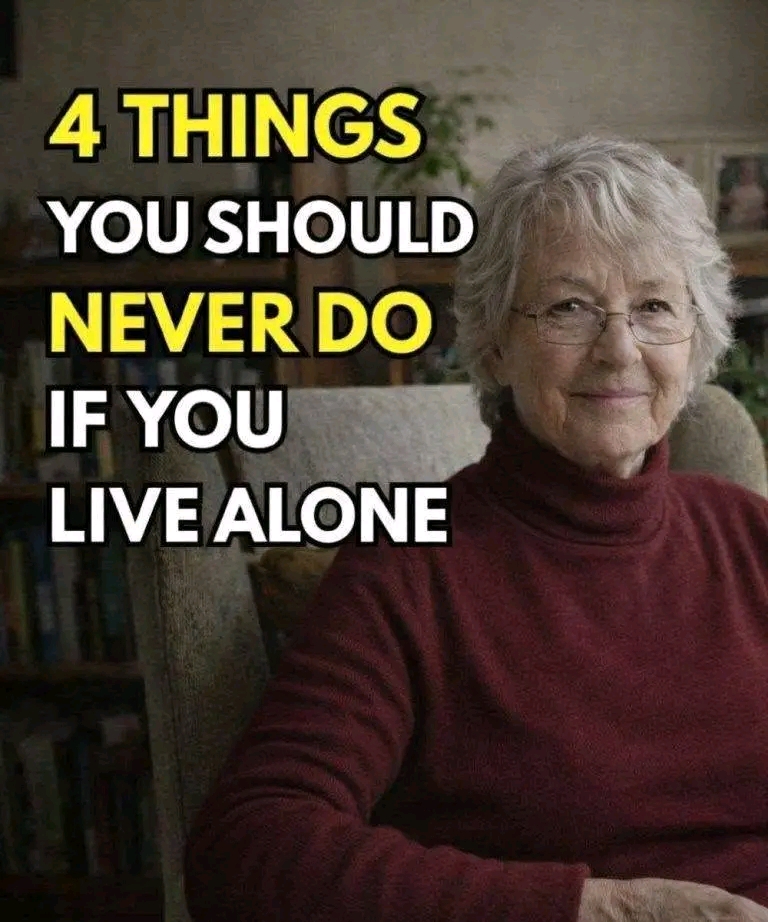
However, as the image above wisely points out, living alone comes with a unique set of responsibilities. When you are your only line of defense, safety, health, and mental well-being become paramount.
While you shouldn’t live in fear, being proactive can mean the difference between a minor inconvenience and a serious emergency. Here are the four things you should never do if you live alone, along with practical steps to protect yourself.
Never Advertise That You Live Alone
In the age of social media and constant connectivity, oversharing has become second nature. But when you live alone, broadcasting your solo status to the world can be a major security risk.
The Risk: Posting on social media that you are “home alone for the week” while your family is on vacation, or mentioning to a stranger at the grocery store that you live by yourself, can make you a target for burglary or worse.
What to Do Instead:
· Keep it Vague: If a delivery driver or a stranger asks, mention that your “partner” or “roommate” is in the other room or will be home soon.
· Social Media Savvy: Never post real-time updates about your location. Wait until you are back home to share photos from your trip.
· Use “We”: Even if it’s just you and a pet, using “we” in conversation can create a psychological deterrent to anyone with bad intentions.
· Invest in Security: A video doorbell, a smart lock, or even a simple “Beware of Dog” sign (even if you don’t have a dog) can add a layer of security.
Never Ignore Your Health or Skip Check-Ins
When you live with others, someone is usually there to notice if you haven’t gotten out of bed or if you’re feeling unwell. When you live alone, you are solely responsible for monitoring your own health. Ignoring symptoms or skipping routine check-ups can have dangerous consequences.
The Risk: A simple slip in the shower or a sudden illness can become a life-threatening emergency if no one knows you need help. For seniors especially, the risk of falls and delayed emergency response is high.
What to Do Instead:
· Establish a Check-In Routine: Set up a daily check-in call or text with a family member, friend, or neighbor. It can be as simple as a “Good morning” text. If you don’t respond, they’ll know to check on you.
· Invest in Medical Alert Technology: Wearable medical alert buttons or smartwatches with fall detection are invaluable. They provide peace of mind and immediate access to help in an emergency.
· Never Skip Medications: Use a pill organizer and set alarms on your phone to ensure you never miss a dose.
· Keep a Medical List: Keep a printed list of your medications, allergies, and emergency contacts on your refrigerator or in an obvious place for first responders.
Never Let Your Home Become a Hazard
Your home should be your sanctuary, not a minefield. When you live alone, a cluttered or poorly maintained home can be a recipe for disaster. This is especially true as we age, but it applies to everyone.
The Risk: Trip hazards like loose rugs, cluttered stairways, or poor lighting can lead to falls, which are a leading cause of injury for people living alone. Reaching for high shelves on unstable chairs is another common cause of household accidents.
What to Do Instead:
· Fall-Proof Your Space: Secure loose rugs with double-sided tape, keep pathways clear of clutter, and ensure all stairs and hallways are well-lit. Add grab bars in the bathroom and a non-slip mat in the shower.
· Use the Right Tools: Never stand on a chair to reach something high. Invest in a sturdy step stool with a handrail.
· Maintain Your Home: Don’t put off repairs. A broken stair or a leaking pipe can quickly become a major hazard.
· Emergency Prep: Keep a fire extinguisher in the kitchen, test your smoke and carbon monoxide detectors regularly, and keep a flashlight and first-aid kit in an easily accessible spot.
Never Isolate Yourself from the Outside World
The freedom of living alone can sometimes morph into the trap of isolation. It’s easy to go days without speaking to another person, especially if you work from home or are retired. But humans are inherently social creatures, and isolation can have a devastating impact on your mental and physical health.
The Risk: Loneliness and social isolation are linked to a higher risk of depression, anxiety, cognitive decline, and even heart disease. The lack of external stimulation can make you more prone to rumination and negative thought patterns.
What to Do Instead:
· Schedule Social Time: Treat social interactions as non-negotiable appointments. Join a local club, take a class, volunteer, or simply schedule a weekly coffee date with a friend.
· Stay Connected Virtually: If you can’t leave the house, use video calls, phone calls, or social media to stay connected with loved ones.
· Maintain a Routine: Having a daily routine—like going for a walk at the same time every day or visiting the local library—creates a sense of normalcy and increases your chances of interacting with others.
· Adopt a Pet: If your lifestyle allows, adopting a pet can provide companionship, reduce stress, and even encourage you to get outside for walks.
Final Thoughts
Living alone can be one of the most empowering and fulfilling experiences. It teaches you self-reliance, gives you complete control over your environment, and allows you to cultivate deep self-awareness.
However, it requires a conscious effort to prioritize your safety, health, and connection to the world. By avoiding these four common pitfalls, you can ensure that your solo living situation remains a safe, vibrant, and joyful chapter of your life.
Disclaimer: The information provided in this article is for educational purposes only and is not a substitute for professional medical or security advice. Always consult with relevant professionals regarding your specific circumstances.
Have you lived alone? What are your top safety and wellness tips for independent living? Share your experiences in the comments below!