
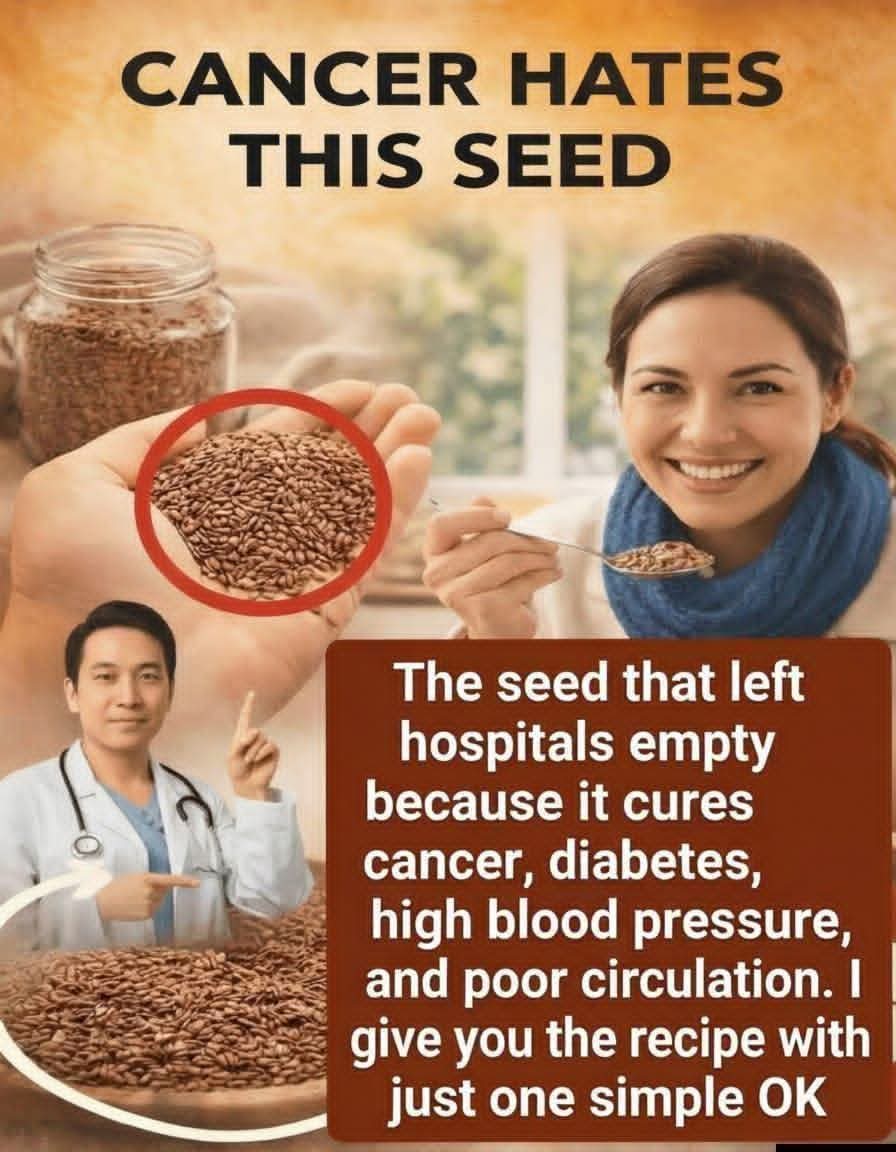
In our pursuit of healthy living and disease prevention, cancer remains one of the most daunting challenges. While no single food can guarantee protection, mounting research shows that a diet rich in certain plant foods can significantly lower your risk. Among the most potent yet often overlooked allies are seeds – tiny nutritional powerhouses packed with fiber, healthy fats, antioxidants, and unique anti‑cancer compounds.
This article explores six seeds that deserve a permanent place in your kitchen, especially if you are an older adult looking for natural, effective ways to support your health. You will learn what makes each seed special, how they help fight inflammation and cellular damage, and simple, delicious ways to incorporate them into your daily meals.
Why Seeds Are a Game‑Changer for Cancer Prevention
Seeds are the embryos of plants, containing concentrated energy and nutrients to support new life. For humans, they offer an exceptional profile of:
· Omega‑3 fatty acids – Reduce chronic inflammation, a known driver of cancer.
· Fiber – Supports gut health and helps eliminate toxins.
· Lignans and antioxidants – Neutralize free radicals and may slow tumor growth.
· Minerals (zinc, magnesium, selenium) – Boost immune function and cellular repair.
Unlike many trendy “superfoods,” seeds are affordable, widely available, and easy to add to almost any meal. Below are six of the most powerful seeds to include in your diet, particularly if you are concerned about cancer prevention.
- Flax Seeds: The Anti‑Inflammatory Powerhouse
Flax seeds (also called linseeds) are among the most researched seeds for cancer prevention. They are exceptionally rich in alpha‑linolenic acid (ALA) – a plant‑based omega‑3 fatty acid – and lignans, which have both antioxidant and estrogen‑modulating effects.
How they help fight cancer:
· Reduce inflammation – Chronic inflammation is linked to many cancers, including colorectal and breast cancer. Omega‑3s help calm inflammatory pathways.
· Protect against hormone‑related cancers – Lignans can bind to estrogen receptors and may lower the risk of breast and prostate cancer.
· Promote digestive health – The high fiber content supports regular bowel movements and feeds beneficial gut bacteria, reducing the risk of colon cancer.
Easy ways to use flax seeds:
· Ground, not whole – Whole flax seeds pass through the digestive system undigested. Grind them in a coffee grinder and store in the refrigerator.
· Add to smoothies – 1 tablespoon of ground flaxseed blends invisibly.
· Replace eggs – Mix 1 tablespoon ground flaxseed with 3 tablespoons water; let sit for 5 minutes to form a “flax egg” for baking.
· Sprinkle on yogurt, oatmeal, or salad.
Tip: Start with 1 tablespoon per day and gradually increase to 2 tablespoons.
- Chia Seeds: Hydration and Fiber Duo
Chia seeds may be tiny, but they swell into a gel‑like consistency when soaked, making them excellent for digestion and hydration. They are also loaded with omega‑3s, fiber, and antioxidants.
How they help fight cancer:
· Support colon health – The soluble fiber forms a gel that slows digestion and helps remove toxins from the colon.
· Reduce oxidative stress – Chia seeds contain chlorogenic acid and caffeic acid, which neutralize free radicals.
· Maintain a healthy weight – The gel expands in your stomach, increasing satiety and reducing overeating, which is linked to lower cancer risk.
Easy ways to use chia seeds:
· Chia pudding – Mix 3 tablespoons chia seeds with 1 cup of plant milk (almond, coconut). Add vanilla and sweetener. Refrigerate for 2 hours or overnight.
· Add to smoothies – 1 tablespoon thickens your smoothie and adds a nutrient boost.
· Sprinkle on salads or oatmeal.
· Use as an egg replacer – Same as flax seeds.
Tip: Drink plenty of water when eating chia seeds – they absorb many times their weight in liquid.
- Pumpkin Seeds: Prostate Health and Immune Support
Pumpkin seeds (pepitas) are a rich source of zinc, magnesium, and antioxidants. They have been traditionally used to support prostate health, and modern research backs their cancer‑fighting potential.
How they help fight cancer:
· Zinc for immune function – Zinc is crucial for the activity of natural killer cells and T‑cells, which identify and destroy abnormal cells.
· Magnesium for DNA repair – Adequate magnesium levels are associated with lower risk of colorectal cancer.
· Cucurbitacins – These compounds have been shown to inhibit the growth of cancer cells in laboratory studies.
Easy ways to use pumpkin seeds:
· Raw or roasted – Lightly toast them in a dry skillet for a few minutes. Sprinkle with sea salt.
· Add to granola or trail mix.
· Blend into pesto – Replace pine nuts with pumpkin seeds.
· Top soups, salads, or roasted vegetables.
Tip: Choose raw, unsalted pumpkin seeds for maximum benefit. One handful (about ¼ cup) per day is ideal.
- Sesame Seeds: Lignan Power for Cellular Protection
Sesame seeds are one of the richest dietary sources of lignans – phytoestrogens with strong antioxidant and anti‑cancer properties. They are also packed with calcium, magnesium, and healthy fats.
How they help fight cancer:
· Lignans (sesamin and sesamolin) – These compounds have been shown to inhibit the growth of breast, colon, and lung cancer cells in studies.
· Vitamin E complex – Sesame seeds contain a unique form of vitamin E (gamma‑tocopherol) that protects cell membranes from oxidative damage.
· Bone health – High calcium content is especially valuable for older adults to prevent osteoporosis, which can be exacerbated by cancer treatments.
Easy ways to use sesame seeds:
· Tahini – This sesame paste is the base of hummus. Use it in dressings, sauces, or spread on toast.
· Sprinkle on stir‑fries, rice bowls, or noodles.
· Add to homemade bread or crackers.
· Mix with honey to make sesame candy (in moderation).
Tip: Lightly toast sesame seeds in a dry pan to enhance their nutty flavor. Store sesame seeds in the refrigerator to prevent rancidity.
- Sunflower Seeds: Vitamin E for Cellular Defense
Sunflower seeds are a concentrated source of vitamin E, a powerful fat‑soluble antioxidant that protects cell membranes from free radical damage. They also provide selenium, copper, and B vitamins.
How they help fight cancer:
· Vitamin E as an antioxidant – Studies suggest that high vitamin E intake is associated with lower risk of bladder, breast, and colorectal cancers.
· Selenium synergy – Selenium works together with vitamin E to protect DNA from mutation.
· Healthy fats – The monounsaturated and polyunsaturated fats help reduce systemic inflammation.
Easy ways to use sunflower seeds:
· Raw or roasted – Sprinkle on salads, oatmeal, or yogurt.
· Sunflower seed butter – A peanut‑free alternative for sandwiches or apple slices.
· Add to homemade energy bars or bread.
· Blend into smoothies for extra creaminess.
Tip: Choose raw, unsalted sunflower seeds. Roast them yourself at home to avoid added oils and salt.
- Hemp Seeds: Complete Plant Protein for Immune Strength
Hemp seeds (hemp hearts) are one of the most nutritionally complete seeds. They contain all nine essential amino acids, making them a complete protein. They also have an ideal ratio of omega‑6 to omega‑3 fatty acids (about 3:1), which is anti‑inflammatory.
How they help fight cancer:
· Gamma‑linolenic acid (GLA) – A unique omega‑6 that has been shown to inhibit tumor growth in some studies.
· Plant protein – Adequate protein supports immune function and helps maintain muscle mass during illness or aging.
· Chlorophyll – Hemp seeds contain chlorophyll, which has been studied for its ability to bind to carcinogens.
Easy ways to use hemp seeds:
· Sprinkle raw on salads, soups, or pasta – No need to cook or grind.
· Add to smoothies – 2 tablespoons boost protein and healthy fats.
· Make hemp milk – Blend ½ cup hemp seeds with 3 cups water and a date. Strain or use unstrained.
· Use as a topping for avocado toast or oatmeal.
Tip: Hemp seeds have a mild, nutty flavor. They do not need to be ground or cooked. Store in the refrigerator after opening.
Want the full truth and the practical next steps?
Page 2 continues with the real explanation, the key details many readers skip, and the simple takeaways that make this guide more useful.