
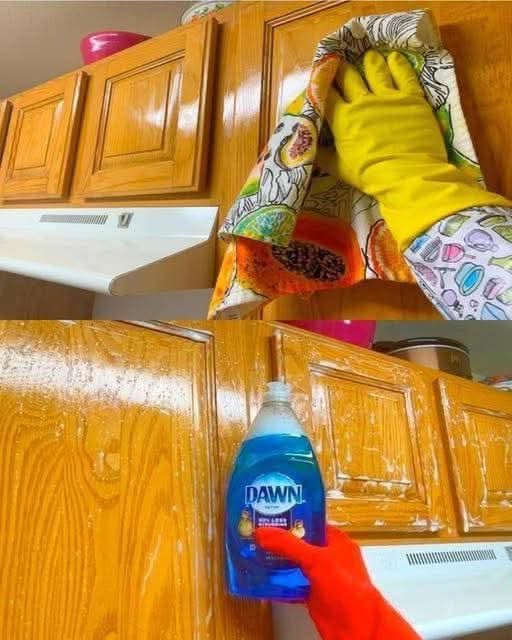
A sparkling clean kitchen is always more welcoming and more pleasant. To do this, we must maintain the hygiene of this room of the house without forgetting its cabinets, which face severe tests every single day. Cooking oils, steam, airborne grease, and sticky fingerprints accumulate on cabinet surfaces, leaving behind a dull, tacky film that can be tough to remove. Over time, that greasy buildup not only looks unsightly but can also damage the finish of your cabinets and become a magnet for dust and bacteria.
If you have tried scrubbing with all‑purpose cleaners and still see a greasy residue, you are not alone. Many commercial degreasers are harsh, expensive, or filled with chemicals you would rather not use around food preparation areas. Fortunately, there is a genius tip for removing grease from kitchen cabinets using simple, natural ingredients you already have in your pantry. This method is gentle, effective, and leaves your cabinets spotless without damaging the wood or paint.
In this guide, you will learn why kitchen cabinets get so greasy, the best homemade degreaser recipes, a step‑by‑step cleaning method, and pro tips to keep your cabinets cleaner for longer. Say goodbye to sticky cabinets and hello to a kitchen that gleams.
Why Kitchen Cabinets Become So Greasy
Before we dive into the solution, it helps to understand the problem. Kitchen grease is a mixture of:
· Cooking oils – Tiny droplets become airborne when you fry, sauté, or bake.
· Steam – Carries grease particles upward, where they settle on upper cabinets.
· Dust and dirt – Sticks to the greasy film, making it look dark and grimy.
· Hand oils – Daily touching of cabinet handles and doors adds more grease.
Cabinets near the stove, range hood, and sink are the worst affected. Wood cabinets can absorb grease, making the residue even harder to remove. Painted cabinets may become yellowed and sticky. Even laminate cabinets need regular degreasing.
The genius tip is not about scrubbing harder – it is about using the right natural degreaser that breaks down the grease without harming the surface.
The Genius Tip: Homemade Natural Degreaser That Works
The best DIY degreaser for kitchen cabinets uses three common household ingredients:
· White vinegar – Cuts through grease naturally and neutralizes odors.
· Dish soap – Breaks down oil and lifts grime.
· Baking soda – Provides gentle abrasion for stubborn spots.
Recipe for All‑Purpose Cabinet Degreaser
Ingredients:
· 1 cup warm water
· ½ cup white vinegar
· 1 tablespoon liquid dish soap (Dawn or any grease‑cutting brand)
· Optional: 10 drops essential oil (lemon or tea tree) for fresh scent
Instructions:
- Combine all ingredients in a spray bottle.
- Shake gently to mix.
- Spray directly onto greasy cabinet surfaces.
- Let it sit for 1‑2 minutes to break down the grease.
- Wipe with a soft, damp microfiber cloth.
- Rinse the cloth and wipe again to remove any soap residue.
- Dry with a clean towel.
For heavy, baked‑on grease (especially near the stove), make a paste:
· Baking soda paste – Mix 3 parts baking soda with 1 part water. Add a drop of dish soap. Apply to the greasy area, let sit for 5 minutes, then scrub gently with a soft sponge. Wipe clean with a damp cloth.
This method is safe for wood, laminate, painted, and metal cabinets. Always test on a small inconspicuous area first.
Step‑by‑Step Guide to Deep Clean Your Kitchen Cabinets
Follow this routine once a month (or more often if you cook frequently) to keep your cabinets grease‑free.
What You Will Need:
· Microfiber cloths (3‑4)
· Soft sponge or non‑abrasive brush
· Spray bottle with homemade degreaser
· Baking soda
· Warm water
· Dry towel
· Old toothbrush (for crevices)
Step 1 – Remove Everything from Cabinets
Take out all items from the cabinets you plan to clean. This includes dishes, pots, and pantry goods. Set them aside on your counter or table.
Step 2 – Dust First
Use a dry microfiber cloth to wipe away loose dust and debris. This prevents you from spreading dirt around when you start degreasing.
Step 3 – Spray and Wait
Spray the homemade degreaser liberally onto the cabinet doors, fronts, and handles. Focus on areas near the stove and where you see visible grease buildup. Let it sit for 1‑2 minutes – this dwell time is crucial for breaking down the grease.
Step 4 – Wipe Down
Use a damp microfiber cloth to wipe the surfaces in a circular motion. You will see the grease lifting away. For intricate details (raised panels, molding), use a soft toothbrush dipped in the degreaser.
Step 5 – Tackle Stubborn Grease
If any grease remains, make a baking soda paste. Apply it to the spots, let it sit for 5 minutes, then gently scrub with a soft sponge. Do not use steel wool or abrasive pads – they will scratch the finish.
Step 6 – Rinse
Fill a bowl with clean warm water. Dip a fresh cloth, wring it out, and wipe down all surfaces to remove any soap or baking soda residue. This step is important because leftover residue can attract more dirt.
Step 7 – Dry Thoroughly
Use a dry towel to buff the cabinets dry. Moisture left on wood or particle board can cause warping or water stains.
Step 8 – Clean the Inside (Optional)
While the doors are open, wipe down the interior shelves and walls with a small amount of degreaser or a damp cloth. Dry well.
Step 9 – Replace Items
Once everything is completely dry, return your items to the cabinets.
Pro Tips for Preventing Grease Buildup
An ounce of prevention is worth a pound of scrubbing. These simple habits will keep your cabinets cleaner between deep cleans.
- Use a Range Hood
Always turn on your exhaust fan when cooking. It captures airborne grease before it settles on cabinets. Clean the range hood filter regularly.
- Wipe Spills Immediately
If sauce splatters or oil drips on a cabinet door, wipe it up right away. Fresh grease is much easier to remove than baked‑on grime.
- Install Cabinet Liners
Place adhesive liners on the inside of cabinets (especially under the sink). They protect against moisture and are easy to replace.
- Use Splatter Screens
When frying, cover your pans with a splatter screen. It significantly reduces oil mist.
- Quick Weekly Wipe
Once a week, spray a little degreaser on a cloth and wipe down cabinet fronts. This takes only 5 minutes and prevents heavy buildup.
- Clean Handles and Knobs
Cabinet hardware collects grease from hands. Wipe them with a disinfectant wipe or the same degreaser solution.
Want the full truth and the practical next steps?
Page 2 continues with the real explanation, the key details many readers skip, and the simple takeaways that make this guide more useful.