
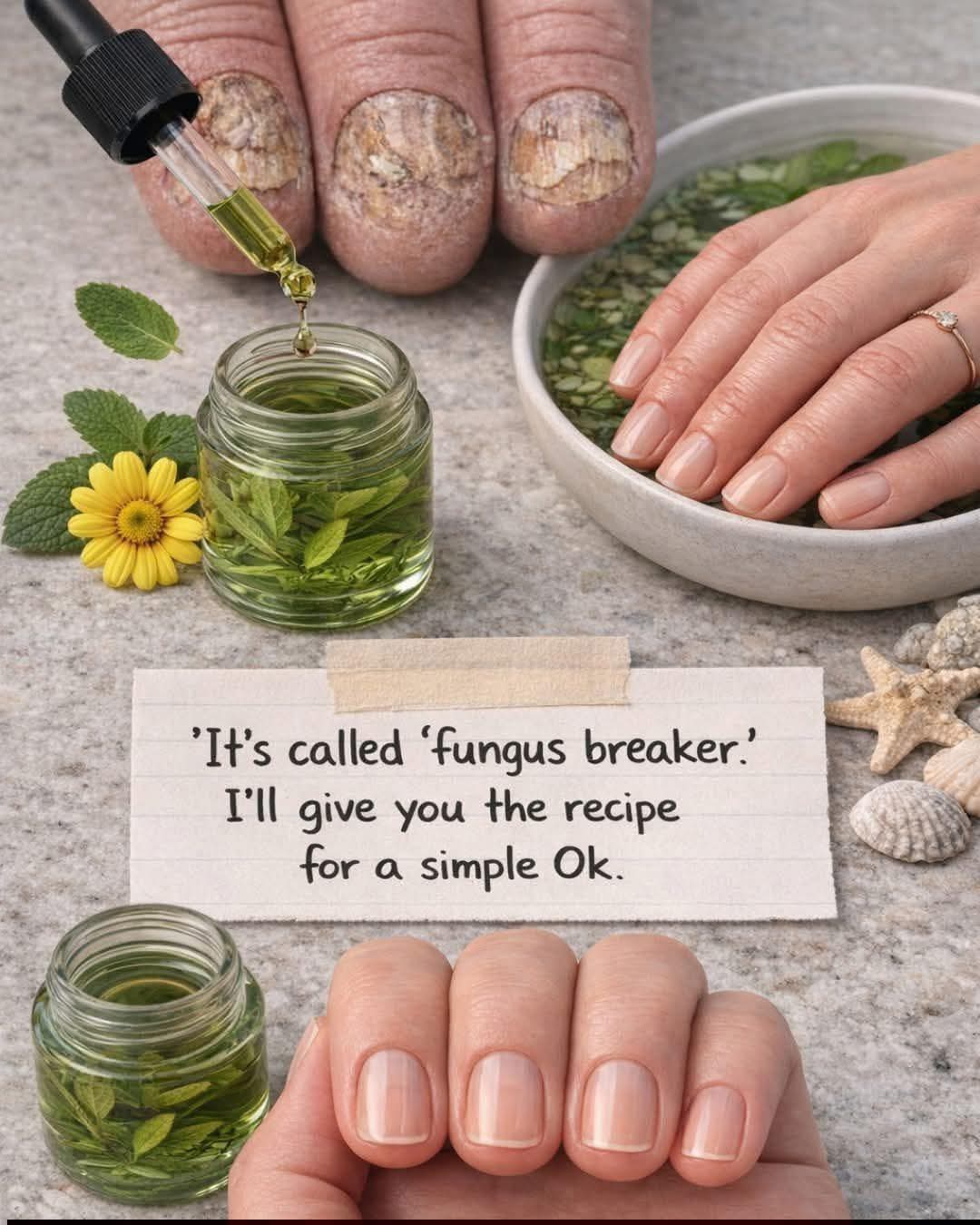
Toenail problems can be frustrating, embarrassing, and uncomfortable. Many people notice thick nails, yellow nails, rough nail edges, peeling skin around the toes, dry heels, and hard calluses on the feet. Because these problems are so common, natural remedies often become popular online. One viral idea is sometimes called a “fungus breaker,” claiming that one application can eliminate all fungus and calluses from toenails. That sounds powerful, but it is not medically accurate.
A safer and more honest way to explain this idea is simple: a gentle herbal foot soak may help soften rough skin, refresh the feet, reduce odor, and support cleaner-looking nails. It may make calluses easier to soften over time. It may help your feet feel more cared for. But it cannot guarantee complete removal of fungal nail infection in one use. True toenail fungus, also called onychomycosis, is often stubborn and can take months to improve because toenails grow slowly.
This article gives you a realistic, safe, and useful natural foot-care routine. It is designed for people who want a home spa-style method using simple herbs, warm water, oils, and careful hygiene. It also explains when you should stop using home remedies and speak with a doctor or podiatrist. The goal is not to promise a miracle. The goal is to build a routine that helps your feet look cleaner, softer, and healthier while avoiding dangerous claims.
What Toenail Fungus Really Looks Like
Toenail fungus can start small. At first, you may notice a white, yellow, or brown spot near the tip of the nail. Over time, the nail may become thicker, brittle, crumbly, distorted, or darker. The nail can also separate from the nail bed. Mayo Clinic describes nail fungus as an infection that can cause the nail to discolor, thicken, and crumble at the edge. 1
Not every ugly nail is fungus. A nail can become thick or damaged because of injury, tight shoes, psoriasis, eczema, aging, repeated pressure, poor circulation, or other skin conditions. This is why diagnosis matters. If someone treats every thick nail as fungus, they may waste time using the wrong remedy.
Fungal nail infections are common, especially in toenails. Feet spend a lot of time inside shoes, where warmth, moisture, and sweat create a good environment for fungus. Public showers, gyms, swimming pools, shared nail tools, and tight shoes can increase the risk. The CDC explains that fungal nail infections are forms of ringworm and can cause nails to change color, become thick, and break easily. 2
Can One Application Remove All Fungus?
No. One application cannot reliably eliminate all toenail fungus. This is the honest answer. Fungal nail infections live under or inside the nail structure. A quick soak may clean the surface and soften the nail, but it usually cannot reach and destroy all fungus deep in the nail plate or nail bed.
Even medical treatments often need time. Mayo Clinic notes that health care providers may prescribe antifungal drugs taken by mouth or applied to the nail, and oral antifungals help a new nail grow free of infection, slowly replacing the infected part. 3 That word “slowly” is important. Toenails do not renew overnight.
So, instead of saying “one application eliminates all fungus,” a safer claim is:
This natural foot soak may help soften rough nails and calluses while supporting cleaner, fresher-looking feet.
This is still attractive, but it is not misleading.
What About Calluses?
Calluses are different from fungus. A callus is thickened skin caused by repeated friction or pressure. It often forms on the heels, balls of the feet, toes, or hands. Calluses can become hard, dry, cracked, or uncomfortable. They are not caused by fungus, although dry skin and fungal problems can appear together.
Mayo Clinic explains that treatment for corns and calluses involves avoiding the repetitive actions that caused them, wearing shoes that fit, and using protective pads. 4 This means a homemade soak may soften a callus, but if tight shoes or pressure continue, the callus will come back.
A good callus routine includes warm soaking, gentle exfoliation, moisturizer, proper shoes, and protection from friction. You should not cut deep calluses at home with blades or sharp tools, especially if you have diabetes, poor circulation, numbness, or nerve problems.
Why Herbal Foot Soaks Can Still Be Useful
A herbal foot soak can help in several practical ways. Warm water softens hard skin. Herbs can add a refreshing scent. A small amount of oil can reduce dryness. Gentle soaking can loosen dead skin so it is easier to remove with a pumice stone or foot file. The routine can also encourage better foot hygiene, which is important when dealing with fungus-prone feet.
The benefit usually comes from the full routine, not from one magic ingredient. Warm water, drying the feet properly, trimming nails carefully, using antifungal medicine when needed, changing socks, keeping shoes dry, and moisturizing calluses all work together.
Natural care should be seen as support, not replacement. If the nail is severely thick, painful, spreading, bleeding, lifting, or infected, home remedies are not enough.
Safe Herbal “Fungus Breaker” Style Foot Soak
This recipe is a safer version of the viral idea. It is not a guaranteed cure for fungus. It is a softening and cleansing foot soak that may help rough feet look and feel better.
Ingredients
- 4 cups warm water
- 1 tablespoon dried mint leaves or fresh mint
- 1 tablespoon dried chamomile flowers, optional
- 1 tablespoon dried rosemary, optional
- 1 teaspoon salt, optional
- 1 teaspoon olive oil or coconut oil, optional for dry feet
- Clean towel
- Pumice stone or gentle foot file
- Moisturizing foot cream
Instructions
Boil the herbs in water for 5 minutes.
Let the mixture cool until it becomes warm, not hot.
Pour it into a foot basin.
Soak your feet for 10 to 15 minutes.
Pat your feet dry very well, especially between the toes.
Use a pumice stone gently on callused areas only.
Apply foot cream to dry areas.
Avoid applying heavy cream between the toes if you are prone to fungus.
Drying between the toes is very important. Fungus likes moisture. A foot soak should never leave your feet damp inside socks or shoes. After soaking, dry carefully before putting on socks.
How to Use This Routine for Rough Toenails
If your toenails are thick or rough, the soak may soften them slightly before trimming. This can make nail care easier. Trim nails straight across. Do not cut too short. Do not dig into the corners. Do not rip or tear the nail. Use clean nail clippers and disinfect them after use.
If you suspect fungus, do not share nail clippers, files, or towels with others. Fungal infections can spread. The CDC says antifungal medications are used to treat fungal infections, and they should be used exactly as directed for as long as directed. 5
A natural soak can be done before applying a doctor-recommended or pharmacy antifungal product, but the skin and nail should be dried first. Many topical antifungal products work better when applied to clean, dry nails.
How Often Should You Do It?
For calluses and dry feet, two or three times per week may be enough. For sensitive skin, start once per week. If your skin becomes irritated, itchy, red, cracked, or painful, stop using the soak.
For suspected toenail fungus, do not rely only on soaking. Toenail fungus can be persistent. If the nail is getting worse, spreading to other nails, or causing discomfort, speak with a healthcare professional. The American Academy of Dermatology says toenail fungus is treatable, especially when caught early and mild. 6
Best Ingredients to Pair With a Foot Soak
1. Urea Cream
Urea cream can help soften thick, dry, hard skin. It is commonly used in foot creams for cracked heels and calluses. It can also help with rough texture. Use it on callused skin, not deep open cracks.
2. Petrolatum or Thick Balm
For very dry heels, a thick balm can help seal moisture. Apply it after soaking and drying. Wear clean cotton socks afterward.
3. Antifungal Cream or Solution
If you have athlete’s foot or a confirmed fungal skin infection, an antifungal cream may be needed. For nail fungus, prescription products may be recommended depending on severity.
4. Pumice Stone
A pumice stone helps reduce calluses gradually. Use it gently after soaking. Never scrape until the skin bleeds. Never use blades at home.
5. Clean Socks
Socks matter. Wear breathable socks and change them daily. If your feet sweat a lot, change socks more often.
What You Should Not Use on Toenail Fungus
Some viral recipes are too harsh. Avoid applying bleach, strong vinegar, undiluted essential oils, hydrogen peroxide repeatedly, lemon juice, baking soda paste, or alcohol directly to damaged nails or cracked skin. These can irritate, burn, or dry the skin. They may make the problem worse.
Also avoid cutting away infected nail tissue deeply at home. If the nail is painful, very thick, or lifting, a podiatrist can trim it safely.
Signs You Should See a Doctor
Home care is not enough in every case. Speak with a healthcare professional if:
The nail is painful
The nail is lifting from the nail bed
The infection is spreading to several nails
The nail is very thick or crumbly
There is swelling, redness, pus, or bleeding
You have diabetes
You have poor circulation
You have a weakened immune system
You have numbness in your feet
Home care does not help after several weeks
This is especially important for people with diabetes or poor circulation. Small foot problems can become serious if they are not treated properly.
Daily Foot Hygiene for Fungus-Prone Feet
The best routine is not only the soak. Daily habits matter more. Wash your feet every day and dry them well. Change socks daily. Wear breathable shoes. Rotate shoes so they have time to dry. Use shower sandals in public showers or locker rooms. Do not share nail tools. Keep nails trimmed and clean.
If your shoes smell bad or stay damp, fungus may keep returning. Let shoes air out. You can use antifungal powder if recommended. Avoid wearing the same sweaty shoes every day.
Callus Care Routine at Home
Callus care should be gentle and consistent. Soak your feet for 10 minutes, then use a pumice stone lightly. Rinse and dry. Apply a foot cream. Wear socks. Repeat a few times per week. Over time, the callus may become softer and less rough.
But remember: calluses form because of pressure. If your shoes are too tight, too loose, or rubbing in one area, the callus will return. Choose shoes with enough toe room. Use cushioned insoles if needed. Protect areas that rub against shoes.
Want the full truth and the practical next steps?
Page 2 continues with the real explanation, the key details many readers skip, and the simple takeaways that make this guide more useful.