
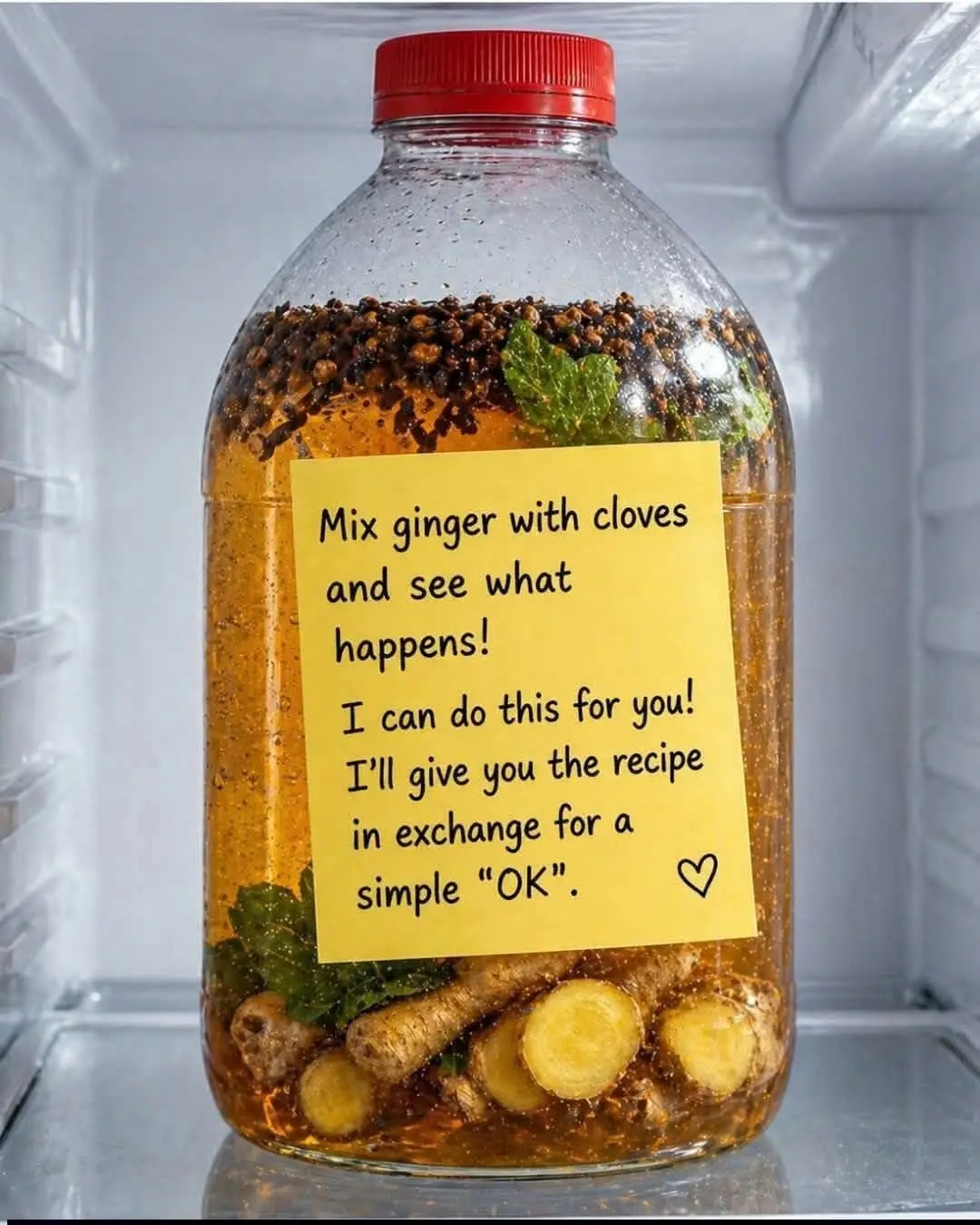
For centuries, traditional healers across Asia, the Middle East, and Europe have revered the combination of ginger and cloves. These two humble spices, when paired together, create a powerful synergy that warms the body, soothes digestion, bolsters immunity, and even eases respiratory discomfort. In this article, we will explore the science-backed benefits of this dynamic duo, share a simple recipe for a spiced tea that you can make at home, and reveal why this ancient remedy is making a modern comeback. And yes, I will give you the recipe in exchange for a simple “OK” – because once you try it, you will want to share it with everyone you know. Let’s dive into the warm, aromatic world of ginger and cloves.
⏲️ Prep: 2 mins🔥 Steep: 10 mins🍽️ Serves: 1 cup🌿 Warming spice blend💊 Immunity support⭐ Ancient remedy
✨ The Ancient Wisdom Behind Ginger and Cloves
Ginger (Zingiber officinale) has been used for over 5,000 years in Chinese, Indian, and Middle Eastern medicine as a digestive aid and anti-inflammatory. Cloves (Syzygium aromaticum), prized for their warm, slightly sweet, numbing flavor, have been used in traditional medicine for everything from toothaches to respiratory support. Together, they form a powerful synergistic blend – the warming, circulation-boosting properties of ginger complement the antimicrobial and analgesic qualities of cloves. This combination has been a staple in Ayurvedic and Traditional Chinese Medicine (TCM) for centuries, often brewed as a tea or incorporated into healing soups and tonics.
💡 Why They Work Together: Ginger contains gingerol, a compound with potent anti-inflammatory and antioxidant properties. Cloves are rich in eugenol, a natural anesthetic and antimicrobial agent. Together, they create a warming, soothing, and immune-supporting brew that is greater than the sum of its parts.
🌿 The Health Benefits of Ginger and Cloves
When you combine ginger with cloves, you unlock a host of benefits that can support your body in multiple ways. Here is what the research and traditional wisdom tell us.
🩺 Supports Digestive Health
Ginger is renowned for its ability to soothe nausea, reduce bloating, and stimulate digestion. Cloves, with their mild numbing effect, can help ease stomach cramps and gas. Together, they make a potent digestive tonic that can be sipped after meals to promote comfort and regular digestion.
🛡️ Boosts Immunity and Fights Inflammation
Both ginger and cloves are rich in antioxidants that combat oxidative stress and inflammation. The gingerol in ginger and the eugenol in cloves have been studied for their potential to reduce markers of inflammation and support a healthy immune response. Regular consumption of this spiced tea may help your body stay resilient during cold and flu season.
🌡️ Warms the Body and Improves Circulation
In traditional medicine, these two spices are considered “warming” – they generate internal heat that can improve blood circulation and help the body fight off chills and colds. This is why ginger-clove tea is often recommended during winter months or for those who tend to feel cold.
🧠 Supports Respiratory and Oral Health
Cloves have long been used as a natural remedy for toothaches and gum pain due to their analgesic and antimicrobial properties. Ginger’s expectorant qualities can help soothe sore throats and clear congestion. Together, they make a comforting brew for respiratory discomfort.
🍵 The Recipe: Ginger-Clove Spiced Tea
Here is the simple recipe I promised. It is incredibly easy to make and requires only a few pantry ingredients. The result is a warming, aromatic tea that you can enjoy any time of day – especially when you need a little comfort.
For this tea you need a 1‑inch piece of fresh ginger root, sliced thinly or grated, 4 to 6 whole cloves (about ¼ teaspoon of ground cloves works too), 1 cup of water, and honey or maple syrup to taste. That is it – simple, natural, and effective.
Optional additions: a cinnamon stick for extra warmth, a slice of lemon for brightness, or a few black peppercorns for an added kick. You can also use a tea bag of your favorite black or green tea as a base.
First, bring the water to a boil. Add the sliced ginger and whole cloves to the boiling water. Reduce the heat to a simmer and let it steep for 5 to 10 minutes. The longer you steep, the stronger the flavor will be.
Next, strain the tea into your favorite mug. Discard the ginger slices and cloves (or the ground spice sediment).
Finally, sweeten to taste. Add a teaspoon of honey or maple syrup, stir gently, and enjoy. For an extra warming effect, you can add a cinnamon stick or a slice of fresh lemon.
Drink this tea up to two times a day, preferably after meals or when you need a comforting, warming pick‑me‑up.
💡 Pro Tips for the Best Ginger-Clove Tea
Use fresh ginger for the best flavor. Fresh ginger root has a vibrant, peppery zing that dried ginger cannot replicate. Look for firm, smooth roots with no signs of wrinkling.
Grind your own cloves for maximum potency. Whole cloves are ideal for steeping, but if you are using ground cloves, start with a small amount (⅛ teaspoon) and adjust to taste, as ground cloves are more concentrated.
Simmer, do not boil. After the initial boil, reduce the heat to a gentle simmer. Boiling for too long can make the tea bitter and destroy some of the delicate volatile oils.
Pair it with meals. This tea is especially beneficial when consumed after meals, as it aids digestion and reduces bloating.
🌟 7 Delicious Variations to Try
Spiced Golden Milk: Replace water with warm milk (dairy or plant-based). Add turmeric and a pinch of black pepper to the ginger and cloves for a warming, golden “turmeric latte” that supports inflammation relief.
Lemon Ginger Clove Tea: After steeping, add a generous squeeze of fresh lemon juice. The vitamin C boost enhances the immune-supporting properties.
Ginger-Clove Chai: Add a black tea bag and a splash of milk to the simmering water. Sweeten with honey or brown sugar for a spiced chai that rivals any coffee shop version.
Honey Ginger Clove Syrup: Simmer ginger, cloves, and honey with a little water until it thickens. Strain and use as a syrup for pancakes, oatmeal, or to sweeten tea.
Spiced Mulled Cider: Replace water with apple cider. Simmer with ginger, cloves, cinnamon, and star anise for a warm, non‑alcoholic holiday drink.
Ginger-Clove Tonic Shot: Reduce the water to ½ cup and steep a double amount of ginger and cloves. Strain and drink as a concentrated shot for a quick immunity boost.
Iced Ginger-Clove Tea: Double the recipe, let it cool, and serve over ice with a splash of lemon and honey. A refreshing summer twist.
🧊 How to Store & Make Ahead
You can make a larger batch of the steeped tea and store it in the refrigerator for up to 3 days. Simply reheat a cup as needed. If you want to make the tea even more convenient, you can prepare a spice blend in advance. Combine ½ cup of dried ginger powder with 1 tablespoon of ground cloves and store in an airtight jar. When you want a cup, add 1 teaspoon of the blend to hot water, steep for 5 minutes, strain, and enjoy. The spice blend will keep for up to 6 months in a cool, dark place.
💬 Frequently Asked Questions (Ginger and Cloves)
Can I use ground ginger instead of fresh? Yes, but the flavor will be slightly less vibrant. Use ¼ to ½ teaspoon of ground ginger per cup of water. Ground cloves can also be substituted for whole cloves – use about ⅛ teaspoon.
How often can I drink this tea? Up to twice a day is generally safe for most people. If you are pregnant, nursing, or have a medical condition, consult your healthcare provider first.
Can I drink this tea on an empty stomach? While it is safe, the warming nature of ginger can sometimes cause mild stomach upset on a completely empty stomach. It is best enjoyed after a light meal or snack.
Does this tea help with weight loss? Ginger and cloves are known to aid digestion and boost metabolism, which can support weight management as part of a balanced diet and active lifestyle.
Can I give this tea to children? Yes, in small amounts. For children, use a milder concentration (less ginger and cloves) and sweeten with honey (for children over 1 year old).
Is this tea caffeine-free? Yes, unless you add black or green tea. The ginger and cloves themselves are naturally caffeine‑free.
🍯 What to Serve with Ginger-Clove Tea
This tea is lovely on its own, but it pairs beautifully with a slice of honey cake, a buttered biscuit, or a handful of almonds. For a cozy breakfast, enjoy it alongside oatmeal or porridge. It also makes a wonderful after‑dinner digestive, especially when paired with a small piece of dark chocolate or a date stuffed with almond butter. For a comforting evening ritual, sip it while reading a book or practicing relaxation techniques.
🍪 Cookie pairing: This spiced tea is exceptional with gingerbread cookies, shortbread, or simple butter cookies. The warm spices echo the flavors in the tea, creating a harmonious treat.
Want the full truth and the practical next steps?
Page 2 continues with the real explanation, the key details many readers skip, and the simple takeaways that make this guide more useful.