

Discover the truth about oregano leaf—its traditional uses for bronchial health, digestion, and more. Learn how to use it safely, plus a simple recipe for oregano tea. No miracle claims, just real science.
Let’s be honest: when you see a headline claiming that one leaf a day can cure bronchitis, asthma, anxiety, insomnia, pain, and more, it’s natural to be skeptical. And you should be. No single leaf is a magic bullet for a dozen different conditions.
But oregano—the humble herb sitting in your spice rack—does have a long history of traditional use and some fascinating science behind it. The key is understanding what it can support versus what it can’t cure.
In this guide, I’ll walk you through oregano’s real benefits, how to use it safely, and why it has earned a place in natural wellness traditions—without the hype. Whether you’re curious about oregano tea, oregano oil, or simply adding more herbs to your daily routine, you’ll find practical, science‑backed information here.
What Is Oregano? A Quick Introduction
Oregano (Origanum vulgare) is a flowering plant in the mint family, native to the Mediterranean region. For centuries, it has been used in traditional medicine for respiratory issues, digestive discomfort, and as a natural antimicrobial agent.
The leaves contain active compounds like carvacrol and thymol, which have been studied for their antioxidant, anti‑inflammatory, and antimicrobial properties. But—and this is important—these compounds are most potent in oregano oil or concentrated extracts, not in a single fresh leaf.
What the Science Actually Says
Let’s break down the claims you saw, one by one, with what research and traditional knowledge tell us.
🌿 Bronchitis & Respiratory Health
Oregano has a long history as a remedy for coughs and congestion. The essential oil (especially carvacrol) has been shown in lab studies to have antibacterial and anti‑inflammatory effects. Some small studies suggest that inhaling steam with oregano oil may help clear airways, but it is not a substitute for prescribed asthma or bronchitis treatments.
What can help: Oregano tea can soothe a sore throat and provide mild decongestant effects. Warm liquids, in general, help loosen mucus.
🧠 Anxiety & Insomnia
There’s no strong evidence that oregano directly affects anxiety or sleep. However, the ritual of sipping a warm, aromatic herbal tea can have a calming effect. If anxiety or insomnia persist, professional help is essential.
💪 Rheumatic & Muscle Pain
Topical oregano oil (diluted) has been used traditionally for muscle aches. The anti‑inflammatory compounds may help reduce mild discomfort when applied externally. Never apply undiluted essential oil to skin—it can cause burns.
🍽️ Digestion, Vomiting & Diarrhea
Oregano is a carminative herb, meaning it may help relieve gas and bloating. Some studies suggest that oregano oil may help with certain gut pathogens, but it is not a treatment for serious digestive illnesses. For diarrhea, rehydration is key; see a doctor if it persists.
🧪 The Bottom Line
Oregano can be a supportive herb for mild ailments, but it does not cure diseases. If you have chronic conditions like asthma, severe anxiety, or inflammatory disorders, consult a healthcare professional.
How to Use Oregano Safely (The Right Way)
If you want to incorporate oregano into your wellness routine, here are safe, effective methods.
- Oregano Tea (The Gentlest Method)
Ingredients:
· 1 teaspoon dried oregano leaves (or 1–2 fresh leaves)
· 1 cup boiling water
· Optional: honey, lemon
Instructions:
- Place oregano leaves in a cup.
- Pour boiling water over them.
- Steep for 5–10 minutes.
- Strain, add honey or lemon if desired.
- Sip slowly.
Use: 1–2 cups daily can be soothing for mild respiratory discomfort or digestion.
- Oregano Oil (For Topical Use or Very Diluted Internal Use)
Oregano essential oil is potent and should always be diluted.
· Topical: Mix 2–3 drops of oregano oil with 1 tablespoon of carrier oil (coconut, olive). Apply to muscles for mild aches.
· Internal: Only use high‑quality, food‑grade oil, and follow product instructions. Generally, 1–2 drops in a capsule or in water, but never for more than 2 weeks without a break.
⚠️ Warning: Oregano oil can be irritating. Do not use undiluted. Avoid during pregnancy, breastfeeding, and for young children without medical advice.
- Fresh Oregano in Cooking
The simplest way to enjoy oregano’s benefits is to use it as a culinary herb. Sprinkle fresh or dried oregano on salads, roasted vegetables, meats, or in soups. It’s safe and delicious.
Who Should Be Cautious?
· Pregnant or breastfeeding women should avoid oregano oil and large amounts of oregano tea (culinary amounts are fine).
· People with allergies to mint family plants (basil, lavender, sage) may react.
· Those taking blood thinners (e.g., warfarin) should consult a doctor, as high doses of oregano may affect blood clotting.
· Children should only use oregano in food amounts, not concentrated oil.
The Truth About “One Leaf a Day”
The idea that a single leaf can fix multiple ailments is a myth. Real wellness comes from a combination of:
· A balanced, nutrient‑dense diet
· Adequate hydration
· Regular movement
· Quality sleep
· Stress management
Oregano can be a small, supportive part of that picture—but it’s not a shortcut.
Simple Oregano Tea Recipe
If you’d like to try oregano tea, here’s a simple version:
You’ll need:
· 1 teaspoon dried oregano (or 2–3 fresh leaves)
· 1 cup water
· Honey (optional)
· Lemon (optional)
Steps:
- Bring water to a boil.
- Place oregano in a mug.
- Pour water over it, cover, and steep for 5–10 minutes.
- Strain. Add honey or lemon to taste.
Drink it warm when you have a scratchy throat or mild digestive discomfort.
Frequently Asked Questions
Q: Can oregano cure bronchitis or asthma?
A: No. Oregano may help soothe mild respiratory symptoms, but it is not a treatment for serious lung conditions. Always follow your doctor’s advice.
Q: Is oregano oil safe to take internally?
A: Only in very small, diluted amounts and for short periods. Food‑grade oregano oil can be used, but it’s potent. Consult a healthcare provider first.
Q: Can I eat raw oregano leaves?
A: Yes, fresh oregano leaves are safe to eat in small amounts. They have a strong, peppery flavor, so they’re best used as a garnish or in cooking.
Q: How does oregano help digestion?
A: Oregano contains compounds that may help relax the digestive tract and reduce gas. It’s a traditional carminative herb.
Q: Is oregano tea safe during pregnancy?
A: Culinary amounts are generally safe, but avoid concentrated oregano oil. Always check with your healthcare provider.
Final Thoughts
Oregano is a wonderful herb with a rich history and some genuinely beneficial properties. It can support respiratory health, digestion, and provide mild anti‑inflammatory effects when used properly. But it’s not a miracle cure.
If you’re dealing with chronic conditions like asthma, bronchitis, anxiety, or digestive disorders, please see a doctor. Natural remedies can be helpful companions to medical care, but they are not replacements.
Now it’s your turn! Have you used oregano for wellness? Share your experience in the comments below—and let us know your favorite way to use this versatile herb.
And if you’re looking for more evidence‑based natural health tips, check out our guides on Herbal Teas for Digestion, Safe Uses of Essential Oils, and Simple Ways to Boost Respiratory Health.
Stay well, and remember: small, consistent habits are the true secret to lasting wellness. 🌿✨
Did you find this article helpful? Share it with someone who might be curious about natural remedies. And as always, consult a healthcare professional before starting any new health routine.
More Recipes You Might Like
-

This Vitamin Really the Cause of Your Leg and Bone Pain
If you’ve been scrolling through social media, you might have seen a post claiming that a specific vitamin found in cloves is the hidden cause of your leg and bone pain. The image often shows a pile of cloves, a bowl of ground spice, and a caption promising that this is “the vitamin your body…
-
Proven Health Benefits of Beets and Fermented Beets
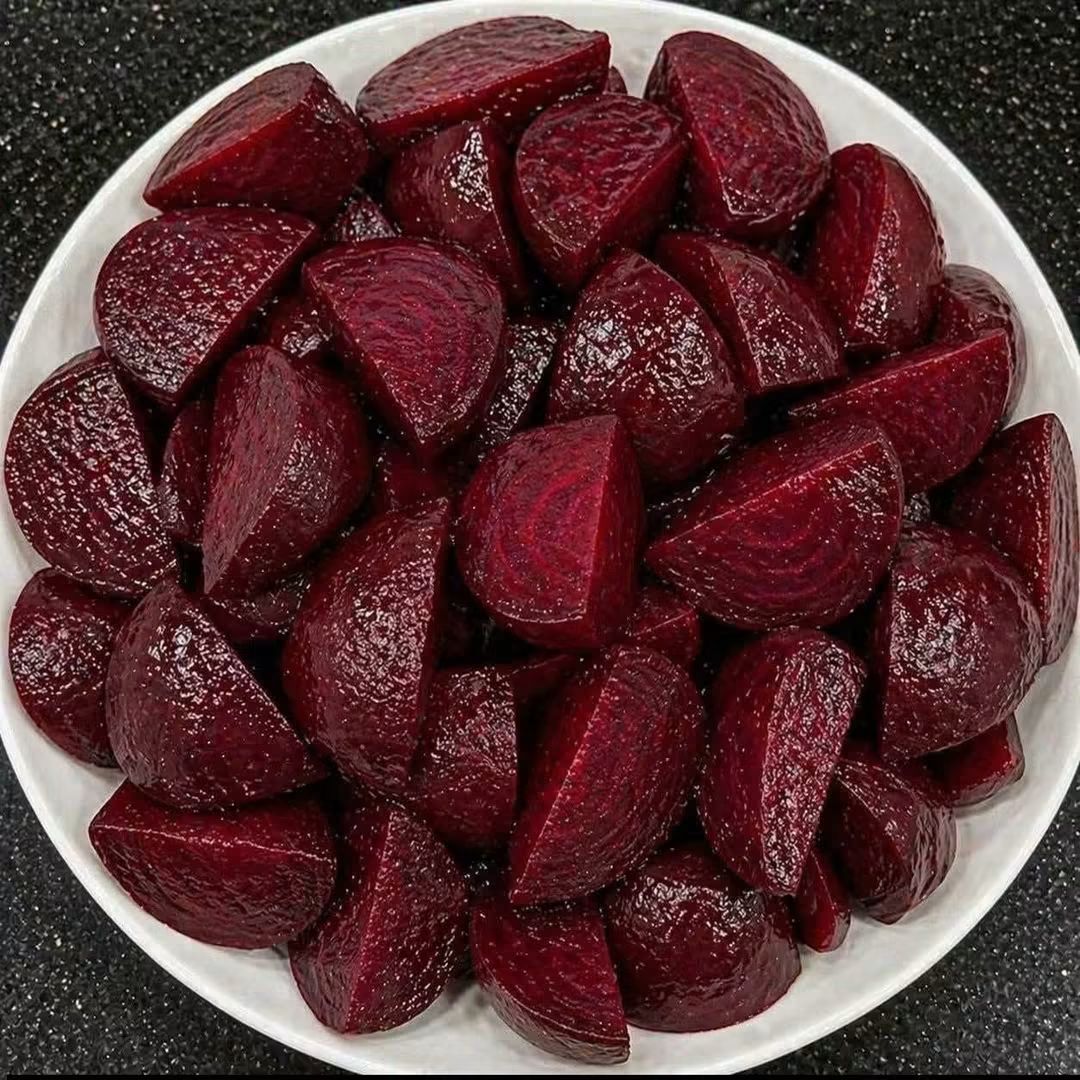
Beets are one of nature’s most vibrant and nutrient-dense root vegetables. With their deep ruby-red color and earthy sweetness, they’ve earned a well-deserved reputation as a functional food with an impressive array of health benefits. But did you know that fermenting beets can unlock even more nutritional power? This article explores the science-backed benefits of…
-

How to Make Aloe Vera Oil for Faster Hair Growth and to Stop Hair Loss
If you’re looking for a natural, powerful remedy to encourage thicker, healthier hair, aloe vera oil is about to become your new best friend. Aloe vera has been used for centuries for its incredible moisturizing and healing properties, and when infused into a nourishing carrier oil, it becomes a potent treatment for the scalp and…