
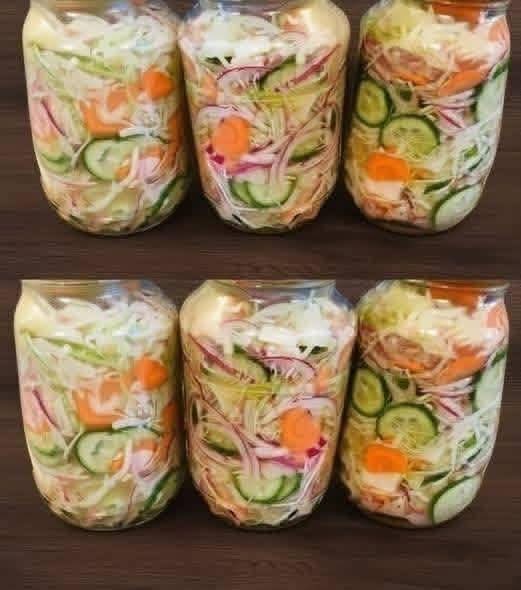
Why This Recipe Is Perfect for Modern Homesteaders
Even though we are not living through a depression, the principles behind this recipe are more relevant than ever. Food prices rise. Supply chains falter. Many of us want to reduce waste, eat more locally, and preserve seasonal abundance.
Pickling is one of the most accessible preservation methods. It requires no special equipment (a pot and jars are enough for refrigerator pickles). It uses basic ingredients. And it transforms ordinary vegetables into something special.
This recipe is also incredibly forgiving. Do not have cauliflower? Use more cucumber. Prefer extra garlic? Add it. Want it spicier? Throw in a sliced jalapeño. The Depression‑era cooks worked with what they had — and so can you.
Tips for the Best Homemade Pickled Vegetables
Use Pickling Salt
Table salt contains iodine and anti‑caking agents, which can make the brine cloudy and affect flavor. Pickling salt or kosher salt dissolves clearly.
Keep Vegetables Crunchy
Add a grape leaf, a tea bag, or a pinch of calcium chloride (Pickle Crisp) to each jar. These natural tannins help maintain crispness. Also, use fresh, firm vegetables — limp cucumbers make limp pickles.
Slice Uniformly
Evenly sized pieces pickle at the same rate. A mandoline or a sharp knife helps.
Do Not Skip the Air Bubble Step
Trapped air can lead to spoilage. Run a chopstick around the inside of the jar after adding brine to release bubbles.
Label Your Jars
Write the date and contents on the lid. Homemade pickles are best within one year, though they remain safe longer if properly sealed.
Delicious Variations
Once you master the basic Depression‑era brine, try these twists.
- Spicy Pickled Vegetables
Add 1 teaspoon red pepper flakes or 2 sliced jalapeños to each jar.
- Sweet Bread and Butter Style
Increase sugar to ½ cup. Add 1 teaspoon turmeric and ½ teaspoon celery seed. This gives a classic sweet‑tangy flavor.
- Dill Pickle Spears
Use only cucumber spears. Add 2 fresh dill heads and 1 teaspoon dill seed per jar. Omit other vegetables.
- Pickled Carrots and Jalapeños (Escabeche)
Use carrots and jalapeños only. Add 1 teaspoon oregano and 2 bay leaves to the brine. This Mexican‑style pickle is fantastic on tacos.
- Pickled Red Onions
Slice red onions thinly. Omit other vegetables. Use the same brine. Ready in just 2 hours — perfect for sandwiches and salads.
- No‑Sugar Pickle
Omit the sugar entirely. The brine becomes purely tangy and salty, excellent for savory dishes.
How to Use Your Pickled Vegetables
These pickles are incredibly versatile. Here are some classic and creative ways to enjoy them.
· On sandwiches and burgers – Adds crunch and acidity.
· As a side to roasted meats – Cuts through richness.
· Chopped into potato salad or tuna salad – Brightens the flavor.
· On a charcuterie board – Alongside cheese, cured meats, and crackers.
· In bloody marys – Use a pickle spear as garnish.
· On tacos or nachos – Especially pickled onions or jalapeños.
· Straight from the jar – A satisfying, low‑calorie snack.
During the Great Depression, these pickles were often eaten with a piece of bread or alongside beans. They added flavor and nutrients to otherwise plain meals.
Storage and Shelf Life
Refrigerator Pickles (Unprocessed)
· Store in the refrigerator at all times.
· Last 2–3 months.
· Keep vegetables submerged in brine.
Canned (Water Bath Processed)
· Store in a cool, dark place (50–70°F / 10–21°C).
· Last up to 1 year.
· After opening, refrigerate and use within 2 months.
Signs of Spoilage
Do not eat pickles if you see:
· Mold on the surface
· Cloudy brine (a little cloudiness is normal in refrigerator pickles, but excessive cloudiness with a bad smell is not)
· Bubbling or fizzing when opened (indicates fermentation, which is fine for fermented pickles but not for vinegar pickles)
· Off or rotten smell
When in doubt, throw it out.
Frequently Asked Questions (Pickled Vegetable Jars)
Can I use apple cider vinegar instead of white vinegar?
Yes. Apple cider vinegar gives a milder, slightly fruity flavor. The color will be darker. Use the same amount.
Why are my pickles soft?
Soft pickles are usually caused by:
· Using overripe or soft vegetables
· Not removing the blossom end of cucumbers (contains enzymes that soften)
· Using tap water with high mineral content (use filtered water)
· Processing too long in the water bath
For crisper pickles, add a grape leaf or pickle crisp.
Can I reuse the brine?
It is not recommended. The brine loses acidity and pickling power. It may also have absorbed flavors from the vegetables. Always make fresh brine for safety.
Do I have to use pickling salt?
Kosher salt is a good substitute. Do not use iodized table salt — it can make the brine cloudy and bitter.
How do I know if my jar is sealed?
After processing and cooling, press the center of the lid. If it does not flex up and down, it is sealed. If it pops, refrigerate and use within 2 months.
Can I add fresh herbs?
Yes. Dill, thyme, rosemary, and oregano all work well. Add them to the jar before pouring the brine.
Is this recipe safe for canning?
Yes, if you follow proper water bath canning procedures. The vinegar acidity (5%) is sufficient to prevent botulism. However, always use tested recipes and guidelines from the USDA or National Center for Home Food Preservation.
The Deeper Meaning: Why Old Recipes Matter
This pickled vegetable recipe is more than a set of instructions. It is a connection to the past. When you slice cucumbers and onions, when you heat vinegar and salt, when you pack the jars, you are doing what millions of people did during the hardest of times.
They did not have fancy equipment. They did not have gourmet ingredients. They had determination and resourcefulness. They turned what little they had into something that could feed their families for months.
Making these pickles today is an act of gratitude and remembrance. It honors the people who came before us. And it reminds us that simple, homemade food — made with care — is always worth the effort.
Final Thoughts
Homemade pickled vegetable jars are a perfect example of how resourcefulness creates flavor. This Depression‑era Jewish recipe has stood the test of time because it works. It uses inexpensive ingredients, requires minimal skill, and delivers a crunchy, tangy, satisfying result.
By substituting cucumber slices for green peppers, you get a pickle that is crisp, mild, and versatile. Whether you enjoy them on sandwiches, alongside dinner, or straight from the jar, these pickles will become a staple in your kitchen.
And every time you open a jar, you will remember that good food does not have to be complicated or expensive. Sometimes, the best recipes are the oldest ones.
So gather your vegetables. Heat your brine. Fill your jars. And taste a little bit of history.
Have you tried this Depression‑era pickled vegetable recipe? Share your favorite vegetable combinations in the comments below. And if you found this guide helpful, save it for later or send it to a friend who loves homemade preserves.