
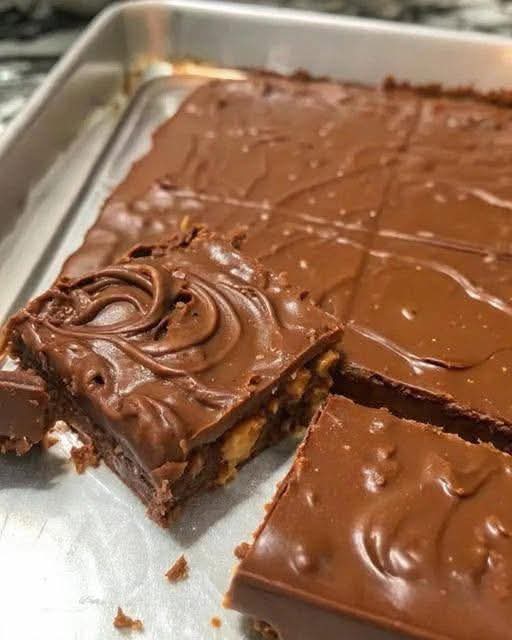
There are chocolate bars that come from a store, and then there are Homemade Chocolate Bars – the kind you make with your own two hands, choosing every single ingredient. Imagine a glossy, snappy bar of dark chocolate infused with real vanilla, studded with toasted almonds and flaky sea salt, or swirled with caramel and pecans. Making chocolate at home is not only possible, it’s deeply satisfying. You don’t need a marble slab or industrial machinery – just good chocolate (or cocoa butter and cocoa powder), a few minutes of gentle tempering (or a clever shortcut), and your favorite molds. If you are searching for an easy homemade chocolate bars recipe that rivals fancy brands, this is the one.
Whether you want to create unique gifts for the holidays, control the sugar and dairy in your treats, or simply experience the magic of turning cacao into a glossy bar, this guide has you covered. You will learn two methods: classic tempering (for that professional snap and shine) and a seed‑tempering cheat that is nearly foolproof. This DIY chocolate bar recipe will open up a world of flavor possibilities.
In this complete guide, you will discover the master formula for homemade chocolate bars, including pro tips for perfect tempering, delicious variations (milk, dark, white, ruby, and flavored), troubleshooting common issues, storage advice, and why handmade chocolate makes the most thoughtful gift. Let’s melt.
Why Homemade Chocolate Bars Are Better Than Store‑Bought
Store‑bought chocolate often contains emulsifiers, artificial flavors, and too much sugar. When you make chocolate at home, you choose the cacao percentage, the sweetener (honey, maple, coconut sugar, or classic cane), and any add‑ins. You can make dairy‑free, sugar‑free, or even low‑carb chocolate. The flavor of freshly made chocolate is surprisingly bright and complex – far superior to mass‑produced bars that have sat on shelves for months. This is custom chocolate candy at its best.
Here is why you will love it:
Only 3‑6 simple ingredients – Cocoa butter, cocoa powder, sweetener, milk powder (optional), vanilla, salt.
No special machinery required – A double boiler and a thermometer help, but you can use a microwave and a bowl.
Completely customizable – Control sweetness, cacao intensity, and add‑ins.
Impressive gifts – Wrap in foil with a handmade label; people will think you bought them from a chocolatier.
Fun to make with kids – Pour into silicone molds, sprinkle toppings, and let them set.
Cost‑effective in bulk – Buy cocoa butter and powder in bulk; make multiple batches.
Dietary friendly – Vegan, keto, paleo, or classic – you decide.
Once you make your first tempered chocolate at home, you will never look at a candy aisle the same way.
The Complete Homemade Chocolate Bars Recipe (Two Methods)
This recipe makes about 8‑10 small bars (approximately 300‑400g total) depending on your mold size. You can triple the recipe easily.
Ingredients – Base Dark Chocolate (70% cacao):
½ cup (120g) cocoa butter – food grade, unrefined or deodorized
½ cup (45g) unsweetened cocoa powder – Dutch‑processed or natural
3‑4 tablespoons (40‑55g) powdered sugar – or erythritol for sugar‑free, or maple sugar
½ teaspoon vanilla extract or vanilla bean powder
Pinch of sea salt
For Milk Chocolate:
Add 2 tablespoons (15g) whole milk powder or coconut milk powder for vegan
Reduce cocoa powder to ¼ cup (22g) – adjust to taste
For White Chocolate:
- Omit cocoa powder entirely
- Use ¾ cup cocoa butter, ½ cup milk powder, ½ cup powdered sugar, vanilla, salt
Equipment:
Double boiler or heatproof bowl over a saucepan
Digital thermometer (for classic tempering)
Silicone chocolate bar molds (or any small mold)
Spatula
Optional: marble or granite slab for table tempering – not necessary for seed method
Method 1: Classic Tempering (Professional Snap & Shine)
Tempering is the process of heating and cooling chocolate to specific temperatures so that cocoa butter crystallizes correctly. The result: a bar that snaps cleanly, shines, and doesn’t melt in your hands. Do not fear – it is simple with a thermometer.
Step 1 – Melt Cocoa Butter
Place cocoa butter in a double boiler over simmering water (do not let the bottom of the bowl touch the water). Stir occasionally until completely melted and clear. Heat to 115‑120°F (46‑49°C) for dark chocolate.
Step 2 – Add Dry Ingredients Off Heat
Remove from heat. Sift in cocoa powder, powdered sugar, milk powder (if using), and salt. Whisk vigorously until smooth and no lumps remain. The mixture will thicken. Return to low heat for 1‑2 minutes if needed to keep it fluid, but do not exceed 120°F.
Step 3 – Cool to Tempering Range
For dark chocolate: cool the mixture to 82‑84°F (28‑29°C). You can let it sit at room temperature, stirring occasionally, or place the bowl over an ice bath briefly (stir constantly to avoid seizing). For milk or white chocolate, cool to 80‑82°F (27‑28°C).
Step 4 – Reheat Slightly (Working Temperature)
Once at the cool target, gently reheat over barely warm water (or with a heat gun) until the chocolate reaches 88‑90°F (31‑32°C) for dark, 86‑88°F for milk/white. Do not exceed these temperatures, or you will lose temper.
Step 5 – Test the Temper
Spread a small amount of chocolate on a piece of parchment. It should set within 2‑3 minutes and be shiny and snappy. If it stays soft or streaks, retemper: cool and rewarm again.
Step 6 – Pour into Molds
Pour the tempered chocolate into clean, dry silicone molds. Tap the molds gently on the counter to release air bubbles. Sprinkle with toppings (sea salt, nuts, dried fruit).
Step 7 – Set and Unmold
Let the chocolate set at cool room temperature (65‑70°F) for 2‑4 hours, or refrigerate for 20‑30 minutes. Do not freeze – condensation can cause sugar bloom. Once fully hard, pop the bars out of the molds.
Method 2: Seed Tempering (Easier for Beginners)
This method uses already‑tempered chocolate (like a high‑quality dark chocolate bar) to “seed” the melted chocolate with stable crystals. It’s more forgiving.
Follow steps 1‑2 of the classic method to melt cocoa butter and mix in dry ingredients. Then, instead of precise heating/cooling cycles: remove the mixture from heat, let it cool to 95°F (35°C). Finely chop 2 ounces (55g) of already tempered dark chocolate (store‑bought is fine). Stir the chopped chocolate into the warm mixture. Continue stirring gently as the temperature drops to 88‑90°F for dark. The seed chocolate will melt and inoculate the mixture with stable crystals. Test on parchment as above. If it sets shiny and snappy, you are done. Pour into molds.
Pro Tips for Perfect Homemade Chocolate Bars
Follow these expert tips for smooth moldable chocolate every time:
Use high‑quality cocoa butter – Deodorized cocoa butter has no scent; unrefined smells like chocolate. Both work. Avoid cosmetic cocoa butter (not food grade).
Keep everything bone dry – Even a drop of water will cause chocolate to seize into a grainy, unworkable mess. Wipe your molds, bowls, and spatulas completely dry.
Do not overheat – Above 130°F (54°C), cocoa butter can burn and chocolate will separate. Use a thermometer.
Work in a cool room – Ideal ambient temperature is 65‑70°F. If it’s too hot, your tempered chocolate won’t set properly.
Clean silicone molds – Wash with hot soapy water, rinse, and dry completely. Do not wipe with paper towels that might leave lint; air dry or use a lint‑free cloth.
Add flavors as oil‑based extracts – Water‑based extracts can cause seizing. Use peppermint oil, orange oil, almond oil, or powdered spices (cinnamon, matcha, freeze‑dried fruit powder).
If chocolate thickens while working, gently rewarm with a heat gun or by placing the bowl over warm (not hot) water for a few seconds, stirring constantly.
Delicious Variations (Same Methods)
Once you master the base, try these fun twists. These chocolate bar variations will keep your homemade candy exciting.
1. Sea Salt Almond Dark Chocolate Bar
Add ¼ cup of toasted chopped almonds to the molds before pouring chocolate. Top with flaky sea salt (like Maldon). Tap to settle. The salty crunch is irresistible.
2. Mint Chocolate Bar
Add ½ teaspoon of pure peppermint oil (not extract, oil) to the melted chocolate before tempering. Use dark chocolate base. Top with crushed candy canes.
3. Orange Zest Chocolate Bar
Add 1 tablespoon of finely grated orange zest and ½ teaspoon of orange oil. Use dark or milk chocolate. This classic pairing tastes like a chocolate orange.
4. Coffee Crunch Bar
Add 2 tablespoons of finely ground espresso beans (or instant espresso powder) to the dry ingredients. The coffee deepens the chocolate flavor and adds a subtle crunch.
5. Raspberry Swirl Chocolate Bar
After pouring dark chocolate into molds, drop small amounts of freeze‑dried raspberry powder or a thin line of raspberry jam (sugar‑only, no water) and swirl with a toothpick. Garnish with crushed freeze‑dried raspberries.
6. Coconut Milk Chocolate Bar
Use coconut milk powder instead of dairy milk powder for a dairy‑free milk chocolate. Add toasted shredded coconut to the molds. This vegan milk chocolate bar is creamy and tropical.
7. Spicy Mexican Chocolate Bar
Add 1 teaspoon of cinnamon, ¼ teaspoon of cayenne pepper, and a pinch of chipotle powder to the cocoa mixture. Use dark chocolate. The heat builds as you eat.
8. Salted Pretzel Caramel Bar
Make a simple caramel (sugar, coconut milk, salt), cool to thick but pourable. Pour a thin layer of chocolate into molds, add a spoonful of caramel, then top with more chocolate. Press broken salted pretzels into the top before setting.
9. Matcha White Chocolate Bar
For white chocolate base, sift in 2 teaspoons of matcha powder with the milk powder. The result is a vibrant green, earthy‑sweet bar that looks stunning.
10. Low‑Sugar Keto Chocolate Bar
Use erythritol or monk fruit sweetener instead of sugar. Powder it in a coffee grinder to avoid graininess. Add a few drops of liquid stevia if needed. This sugar‑free homemade chocolate is keto‑friendly.
Want the full truth and the practical next steps?
Page 2 continues with the real explanation, the key details many readers skip, and the simple takeaways that make this guide more useful.