
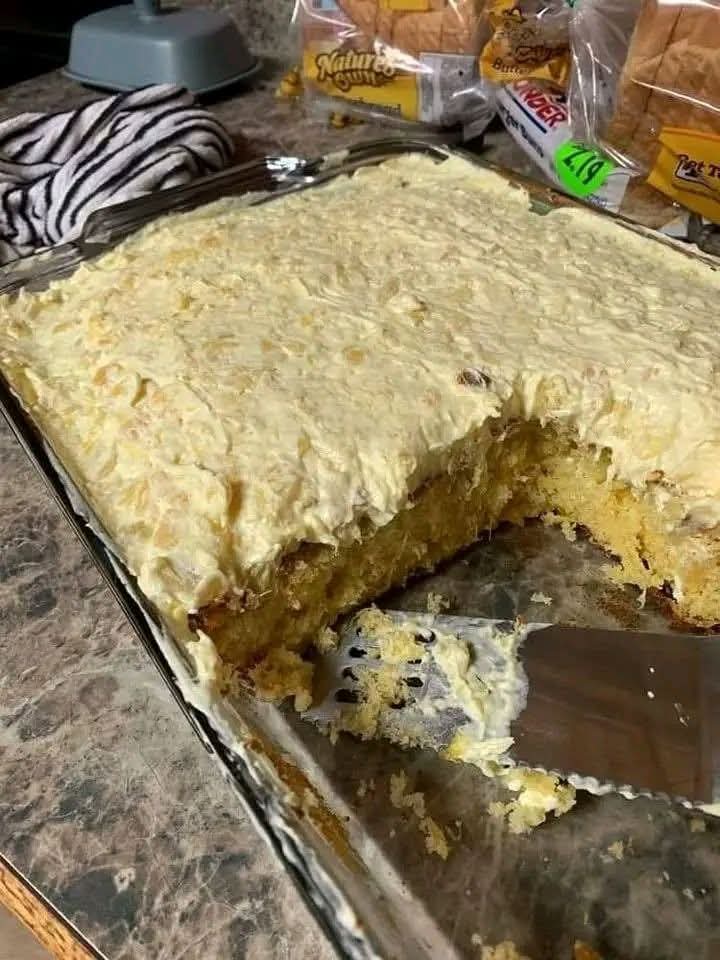
Imagine a cake that is soft, moist, and bursting with sweet pineapple flavor — yet contains no refined sugar, very few carbs, and is completely safe for diabetics. Sounds too good to be true? This Diabetic‑Friendly Pineapple Cream Cake proves that healthy desserts can be just as indulgent as the real thing.
A light, airy almond and coconut flour cake is soaked with a warm pineapple mixture, then topped with a velvety cream cheese whipped cream layer. The result is a dessert that is rich, refreshing, and absolutely irresistible. And the best part? It comes together in under 30 minutes of active time, then chills to perfection.
In this guide, you will learn the complete recipe, why each ingredient is diabetic‑friendly, pro tips for the perfect texture, delicious variations, storage advice, and how to enjoy dessert without spiking your blood sugar.
Why This Pineapple Cream Cake Is Perfect for Diabetics
Traditional pineapple cakes are loaded with white flour, refined sugar, and often sweetened condensed milk — a triple threat for blood sugar. This recipe flips the script. Every ingredient is chosen to keep carbs low and flavor high.
Here is why it is diabetic‑friendly:
· No refined sugar – Sweetened with erythritol or monk fruit, which do not raise blood glucose.
· Low‑carb flours – Almond flour and coconut flour replace wheat flour, reducing carbs significantly.
· Healthy fats – Butter, coconut oil, cream cheese, and heavy cream provide satiety without carbs.
· Pineapple in juice – Using pineapple packed in its own juice (or fresh) avoids added sugar.
· No artificial ingredients – Clean, whole‑food ingredients.
With only 5–7g net carbs per serving, this cake fits into keto, low‑carb, and diabetic meal plans.
The Complete Diabetic‑Friendly Pineapple Cream Cake Recipe
This recipe makes one 8×8‑inch square cake (about 9 servings). Can be doubled for a 9×13‑inch pan.
For the Cake Base
· 1 cup (100g) almond flour (fine, blanched)
· ¼ cup (30g) coconut flour
· 3 large eggs (room temperature)
· ⅓ cup (65g) erythritol or monk fruit sweetener (powdered for best texture)
· ¼ cup (56g) melted butter or coconut oil
· ½ cup (120 ml) unsweetened almond milk (or any low‑carb milk)
· 1 teaspoon vanilla extract
· 1½ teaspoons baking powder
For the Pineapple Layer
· 1 cup crushed pineapple (canned in juice with no added sugar, or fresh)
· 1–2 tablespoons erythritol (adjust to taste)
· 1 teaspoon cornstarch (optional, for thickening)
For the Cream Topping
· 1 cup (240 ml) heavy cream (cold)
· ½ cup (4 oz / 113g) cream cheese, softened
· 2–3 tablespoons powdered erythritol (to taste)
· 1 teaspoon vanilla extract
Optional Garnishes
· Toasted coconut flakes
· Fresh pineapple chunks
· Mint leaves
Equipment
· 8×8‑inch square baking dish (or 9×9‑inch)
· Mixing bowls
· Electric mixer or hand mixer
· Fork (for poking holes)
· Small saucepan
Step‑by‑Step Instructions
Part 1 – Bake the Cake
Step 1 – Preheat and Prepare
Preheat your oven to 350°F (175°C). Grease an 8×8‑inch baking dish with butter or coconut oil, or line it with parchment paper.
Step 2 – Mix Dry Ingredients
In a large bowl, whisk together the almond flour, coconut flour, sweetener, and baking powder. Break up any lumps.
Step 3 – Mix Wet Ingredients
In a separate bowl, whisk the eggs, melted butter (or coconut oil), almond milk, and vanilla extract until well combined.
Step 4 – Combine
Pour the wet ingredients into the dry ingredients. Mix with a spatula until smooth. The batter will be thick but pourable.
Step 5 – Bake
Pour the batter into the prepared baking dish and spread evenly. Bake at 350°F for 20–25 minutes, until the top is lightly golden and a toothpick inserted in the center comes out clean. Let the cake cool in the pan for 10 minutes.
Part 2 – Add the Pineapple Layer
Step 1 – Prepare the Pineapple Mixture
While the cake is baking, combine the crushed pineapple (with its juice), sweetener, and cornstarch (if using) in a small saucepan. Heat over medium heat for 3–5 minutes, stirring occasionally, until warmed through and slightly thickened. Remove from heat.
Step 2 – Poke Holes in the Cake
Using a fork, poke holes all over the warm cake (about every inch). The holes allow the pineapple mixture to soak in.
Step 3 – Pour and Soak
Pour the warm pineapple mixture evenly over the cake. Spread it gently with a spatula. Let the cake cool completely to room temperature. The pineapple will sink into the holes and infuse the cake with moisture and flavor.
Part 3 – Make the Cream Topping
Step 1 – Whip the Heavy Cream
In a chilled bowl, whip the cold heavy cream with an electric mixer on medium‑high speed until stiff peaks form. Set aside.
Step 2 – Beat the Cream Cheese
In another bowl, beat the softened cream cheese with the powdered erythritol and vanilla extract until smooth and creamy.
Step 3 – Fold Together
Gently fold the whipped cream into the cream cheese mixture until no white streaks remain. Do not overmix; you want a light, fluffy texture.
Part 4 – Assemble and Chill
Step 1 – Spread the Topping
Spread the cream topping evenly over the cooled pineapple‑soaked cake. Use an offset spatula to smooth the top.
Step 2 – Chill
Refrigerate for at least 2 hours (or overnight). This chilling step is essential for the cake to set and develop that soft, melt‑in‑your‑mouth texture.
Step 3 – Garnish and Serve
Before serving, garnish with toasted coconut flakes, fresh pineapple chunks, or mint leaves. Slice and serve chilled.
Pro Tips for the Best Diabetic‑Friendly Pineapple Cream Cake
Use Room Temperature Ingredients
Cold eggs and cream cheese can cause the batter to be lumpy. Set them on the counter for 30 minutes before starting.
Do Not Overmix the Batter
Overmixing almond flour can make the cake dense. Mix just until combined.
Adjust Sweetness to Taste
Erythritol is about 70% as sweet as sugar. You may need to add an extra tablespoon if you prefer a sweeter cake. Taste the pineapple mixture before pouring.
Use Fresh Pineapple for Lower Sugar
Canned pineapple in juice is convenient, but fresh pineapple has no added sugar and a brighter flavor. If using fresh, crush it in a food processor.
The Chilling Step Is Essential
Do not skip the 2‑hour chill. The cake needs time to absorb the pineapple and for the cream topping to set. Overnight chilling produces the best texture.
Toast the Coconut
For extra flavor and crunch, toast shredded coconut in a dry skillet over medium heat until golden, stirring constantly (about 2–3 minutes). Sprinkle on top just before serving.
Delicious Variations (Still Diabetic‑Friendly)
Once you master the classic pineapple cream cake, try these easy twists.
- Coconut Pineapple Cream Cake
Add ¼ cup of unsweetened shredded coconut to the cake batter. Use coconut extract instead of vanilla. Top with toasted coconut.
- Lemon Pineapple Cream Cake
Add 1 tablespoon of lemon zest and 1 tablespoon of lemon juice to the cake batter. The bright citrus pairs beautifully with pineapple.
- Berry Pineapple Cream Cake
Replace the pineapple layer with a mixed berry sauce (use frozen berries and erythritol). The berry‑cream combination is divine.
- Chocolate Pineapple Cream Cake
Add 2 tablespoons of unsweetened cocoa powder to the cake batter. The chocolate and pineapple create a tropical chocolate delight.
- Mango Cream Cake
Replace the pineapple with fresh or frozen mango (in juice, no sugar added). The mango version is equally delicious.
- Dairy‑Free Pineapple Cream Cake
Use coconut oil instead of butter. Replace the heavy cream with full‑fat coconut cream (chilled). Use dairy‑free cream cheese. The texture will be slightly different but still creamy.
- Nut‑Free Pineapple Cake
Replace almond flour with sunflower seed flour and coconut flour with additional sunflower flour, but note that sunflower seed flour can turn green due to a chemical reaction; it is safe to eat.
How to Store, Freeze, and Serve
Refrigerator
Store the cake covered in the refrigerator for up to 5 days. The flavors meld and deepen overnight.
Freezer
This cake freezes well, though the cream topping may soften slightly. Freeze the whole cake (without garnishes) for up to 2 months. Wrap tightly in plastic wrap and foil. Thaw overnight in the refrigerator. Add garnishes before serving.
Make Ahead
This cake is perfect for making a day in advance. Prepare it, chill overnight, and serve the next day. It actually tastes better after 24 hours.
Serving Temperature
Serve chilled straight from the refrigerator. For a softer texture, let it sit at room temperature for 10 minutes before slicing.
Want the full truth and the practical next steps?
Page 2 continues with the real explanation, the key details many readers skip, and the simple takeaways that make this guide more useful.