
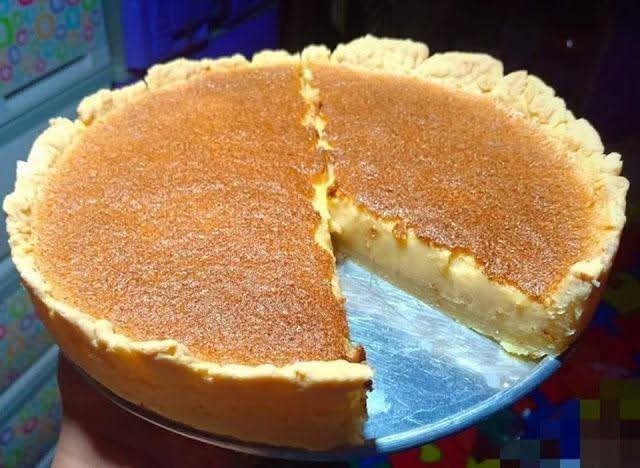
There are certain recipes that every home baker should have in their repertoire. A classic vanilla butter cake is one of them. With just a handful of pantry staples – sugar, butter, eggs, flour, and a touch of vanilla – you can create a cake that is tender, moist, and wonderfully versatile. It is the cake you turn to for birthdays, afternoon tea, or simply because you want something homemade and comforting.
The ingredients you see here – 1¾ cups sugar, 1 stick of butter, 3 large eggs, and ¼ teaspoon vanilla extract – are the heart of this recipe. But a cake needs a little more structure and lift. In this guide, I will share the complete recipe, including the missing dry ingredients, along with pro tips for the perfect crumb, delicious variations (lemon, almond, chocolate chip), storage advice, and why mastering a basic butter cake will make you a confident baker.
Why This Vanilla Butter Cake Is a Keeper
A great vanilla cake should be moist, tender, and flavorful without being dense or dry. This recipe achieves that balance by using a combination of butter for flavor and oil (optional) for moisture, buttermilk for tenderness, and the reverse creaming method for a fine, even crumb. It is a versatile base that can be turned into a layer cake, a sheet cake, or even cupcakes.
Here is why you will love it:
· Simple ingredients – All pantry staples.
· Rich, buttery flavor – Real butter makes all the difference.
· Tender, moist crumb – Never dry or crumbly.
· Versatile – Frost it, fill it, or serve it plain with a dusting of powdered sugar.
· Freezer‑friendly – Make the layers ahead and freeze.
· Crowd‑pleaser – Everyone loves a good vanilla cake.
Once you master this recipe, you will never buy a boxed mix again.
The Complete Vanilla Butter Cake Recipe
This recipe makes two 8‑inch or 9‑inch round cake layers, or one 9×13‑inch sheet cake. It serves 12‑16 people.
Ingredients
· 1¾ cups (350g) granulated sugar
· ½ cup (113g) unsalted butter, room temperature (1 stick)
· 3 large eggs, room temperature
· ¼ teaspoon vanilla extract (use good quality; increase to 1 teaspoon for more flavor)
· 2½ cups (300g) all‑purposeark
· 2½ teaspoons baking powder
· ½ teaspoon salt
· 1 cup (240ml) whole milk or buttermilk, room temperature (buttermilk adds tenderness)
· Optional: ¼ cup (60ml) vegetable oil (for extra moisture)
For the Vanilla Buttercream Frosting (Optional)
· 1 cup (226g) unsalted butter, softened
· 4 cups (480g) powdered sugar, sifted
· 2 teaspoons vanilla extract
· 2‑3 tablespoons heavy cream or milk
Equipment
· Two 8‑inch or 9‑inch round cake pans
· Parchment paper
· Electric mixer
· Spatula
Step‑by‑Step Instructions
Step 1 – Preheat and Prepare
Preheat your oven to 350°F (175°C). Grease two 8‑inch or 9‑inch round cake pans and line the bottoms with parchment paper.
Step 2 – Cream Butter and Sugar
In a large bowl, beat the room‑temperature butter and sugar together on medium speed until light and fluffy, about 3‑4 minutes. The mixture should look pale and creamy.
Step 3 – Add Eggs and Vanilla
Add the eggs one at a time, beating well after each addition. Beat in the vanilla extract. Scrape down the sides of the bowl as needed.
Step 4 – Combine Dry Ingredients
In a separate bowl, whisk together the flour, baking powder, and salt.
Step 5 – Alternate Dry and Wet
With the mixer on low speed, add the dry ingredients in three additions, alternating with the milk (or buttermilk), beginning and ending with the dry ingredients. Mix just until combined. Do not overmix. If using oil, add it with the milk.
Step 6 – Divide and Bake
Divide the batter evenly between the prepared pans. Smooth the tops. Bake at 350°F for 25‑30 minutes, until a toothpick inserted in the center comes out clean and the tops spring back lightly when touched.
Step 7 – Cool
Let the cakes cool in the pans for 10 minutes, then turn them out onto a wire rack to cool completely before frosting.
Step 8 – Make the Frosting (Optional)
In a large bowl, beat the softened butter until creamy. Gradually add the powdered sugar, beating on low speed. Add the vanilla and 2 tablespoons of cream. Beat on medium speed until light and fluffy, adding more cream if needed.
Step 9 – Assemble and Serve
Place one cake layer on a plate, spread with frosting, add the second layer, and frost the top and sides. Slice and enjoy.
Pro Tips for the Best Vanilla Butter Cake
Use Room Temperature Ingredients
Cold butter, eggs, and milk will not cream properly and can result in a dense cake. Set everything out on the counter for 30‑60 minutes before starting.
Do Not Overmix
Overmixing develops gluten, which makes the cake tough. Mix just until the flour disappears.
For a Tender Crumb
Use cake flour instead of all‑purposeark (increase to 2¾ cups cake flour). Add 2 tablespoons of cornstarch to all‑purposeark to mimic cake flour.
Check for Doneness
Ovens vary. Start checking at 25 minutes. A toothpick should come out clean, and the edges should pull away slightly from the pan.
Make It a Layer Cake
For a taller cake, use three 8‑inch pans and reduce baking time to 20‑25 minutes.
For a Sheet Cake
Pour the batter into a greased 9×13‑inch pan. Bake at 350°F for 30‑35 minutes.
For Cupcakes
Fill lined muffin tins ⅔ full. Bake at 350°F for 18‑22 minutes. Makes about 24 cupcakes.
Want the full truth and the practical next steps?
Page 2 continues with the real explanation, the key details many readers skip, and the simple takeaways that make this guide more useful.