
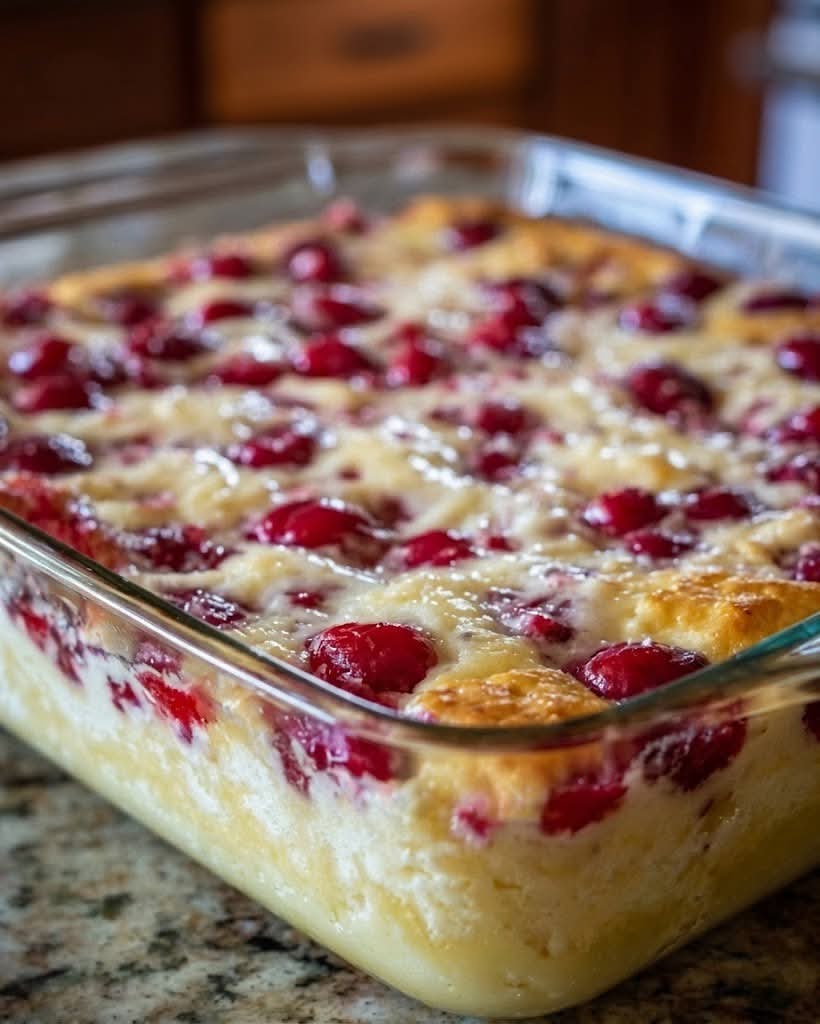
Delicious Variations (Same Clafoutis Method)
Once you master the classic cherry clafoutis, try these fun twists. These clafoutis variations will keep your dessert game strong.
1. Peach Clafoutis
Replace the cherries with 2 cups of sliced fresh peaches. No need to peel. The sweet, juicy peaches are wonderful. This is a peach clafoutis perfect for late summer.
2. Blueberry Clafoutis
Use 2 cups of fresh blueberries. The blueberries burst as they bake, creating beautiful purple streaks. Add 1 teaspoon of lemon zest to the batter.
3. Plum Clafoutis
Use 2 cups of sliced fresh plums (red or black). The tartness of plums balances the sweet custard beautifully.
Use a combination of raspberries, blackberries, and blueberries. The colorful berries make a stunning presentation.
5. Apricot Clafoutis
Use 2 cups of halved fresh apricots. The apricots become soft and jammy. Sprinkle sliced almonds on top before baking.
Add ½ cup of mini chocolate chips to the batter along with the cherries. The chocolate and cherry combination is divine.
7. Gluten‑Free Cherry Clafoutis
Use a 1:1 gluten‑free flour blend (like King Arthur). The texture will be slightly more delicate but still delicious.
Replace eggs with ¼ cup of unsweetened applesauce + 2 tablespoons of cornstarch, or use a commercial vegan egg replacer. Use plant‑based milk and coconut cream. The texture will be softer.
How to Store, Freeze, and Reheat
Refrigerator
Store leftover clafoutis in an airtight container for up to 3 days. The texture will become denser, but it is still delicious cold or reheated.
Freezer
Clafoutis does not freeze well – the custard becomes watery upon thawing. Make it fresh and enjoy within a few days.
Reheating Best Practices
Oven: Reheat slices at 300°F for 5‑8 minutes. Microwave: Heat individual portions for 20‑30 seconds (the texture will be softer).
What to Serve with Cherry Clafoutis
Powdered sugar dusting – Essential.
Whipped cream or crème fraîche – Adds tangy creaminess.
Vanilla ice cream – A classic pairing.
Fresh berries and mint – For a bright finish.
A drizzle of honey or caramel sauce – Extra indulgence.
A cup of coffee or espresso – The perfect afternoon treat.
Frequently Asked Questions
Should I pit the cherries for clafoutis?
Traditional clafoutis uses unpitted cherries. The pits add a subtle almond flavor and prevent the cherries from releasing too much juice. However, pitted cherries are easier to eat. The choice is yours. If pitting, be careful to catch the juice – you can add it to the batter.
Can I use frozen cherries?
Yes. Do not thaw them first – add them frozen to the baking dish. Increase baking time by 5‑10 minutes. Frozen cherries release more liquid, so the clafoutis may be slightly softer.
Why is my clafoutis soggy in the middle?
A soggy center usually means it is underbaked. Bake until the center is set and a knife inserted comes out clean. If the top is browning too quickly, tent with foil and continue baking.
Can I make clafoutis in a muffin tin for individual servings?
Yes. Grease a 12‑cup muffin tin. Place 3‑4 cherries in each cup. Fill with batter about ¾ full. Bake at 350°F for 15‑20 minutes. These are mini cherry clafoutis perfect for parties.
How many calories are in a serving?
One serving (1/6 of the clafoutis) contains approximately 280‑350 calories, 12g fat, 42g carbohydrates, and 8g protein. This is a light, elegant dessert.
Can I add almond extract?
Absolutely. Almond extract is traditional in many clafoutis recipes and complements the cherry flavor beautifully. Add ¼ teaspoon.
Is clafoutis served hot or cold?
Clafoutis is traditionally served warm, but it is also delicious at room temperature or even cold. It is versatile – enjoy it any way you like.
The History of Clafoutis in French Cuisine
Clafoutis originated in the Limousin region of central France in the 19th century. The name comes from the Occitan word “clafir,” meaning “to fill.” Traditionally, it was made with unpitted black cherries, and the pits were left in because they release a subtle almond‑like flavor during baking. The dessert spread throughout France and became a classic summer dish. Today, clafoutis is made with all kinds of fruit, but cherry remains the most iconic. This traditional French cherry clafoutis is a delicious piece of culinary history.
Why You Should Make This Cherry Clafoutis This Week
Cherry season is short, but this dessert makes the most of it. You probably have eggs, milk, sugar, and flour in your pantry. Fresh cherries are the star. In under an hour, you can create a dessert that is elegant, rustic, and absolutely delicious. It is perfect for:
- Summer dinner parties – A stunning finish.
- Sunday brunch – Serve warm with coffee.
- Weeknight desserts – Simple enough for any day.
- Cherry season celebrations – When cherries are at their peak.
- When you want to impress without stress – Easy and impressive.
The first time I made cherry clafoutis, I was amazed at how something so simple could taste so elegant. The golden, puffy custard, the sweet cherries, the dusting of powdered sugar – it was pure magic. Now I make it every cherry season, and it never lasts long.
So pit those cherries (or don’t), blend that batter, and get ready to bake the most delicious, elegant cherry clafoutis of your life.
Final Thoughts
Cherry Clafoutis is proof that the best desserts are often the simplest. A few basic ingredients – eggs, milk, flour, sugar, and fresh cherries – transform into something rustic, elegant, and utterly satisfying. Whether you keep the classic cherry version or experiment with peaches, plums, or berries, this clafoutis will earn a permanent spot in your dessert rotation. This truly is the best easy French cherry dessert for summer entertaining.
So go ahead – make it today. Dust it with powdered sugar, serve it with a dollop of whipped cream, and enjoy every custardy, cherry‑studded bite.
Have you made cherry clafoutis? What’s your favorite fruit – cherry, peach, or blueberry? Share your photos and tips in the comments below. And if this recipe brought a taste of France to your kitchen, save it for later or send it to a friend who loves elegant, easy desserts.