
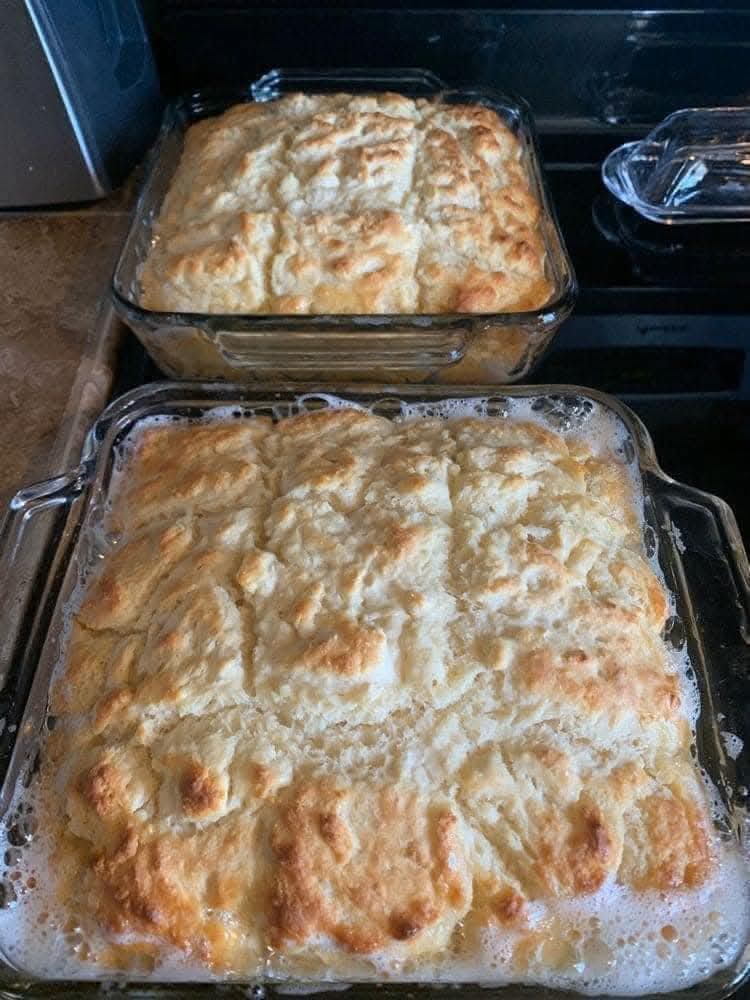
There are biscuits that are good, and then there are biscuits that are so buttery, so flaky, so impossibly layered that they become legendary. Butter Swirl Biscuits fall into the second category. These aren’t your average drop biscuits or simple cut‑out rounds. They are a work of art – tender, golden, and packed with visible swirls of butter that melt into the dough as they bake, creating pockets of rich, savory flavor and shatteringly crisp edges. Every bite is a perfect balance of flaky, buttery, and soft.
If you have ever wondered how to get those tall, layered, bakery‑style biscuits at home, the secret is in the swirling technique. Instead of simply cutting cold butter into the flour, you incorporate thin sheets of cold butter that create distinct layers, similar to puff pastry but far simpler. In this guide, you will learn the complete recipe for Butter Swirl Biscuits, step‑by‑step instructions, pro tips for the highest rise, delicious variations (add cheese, herbs, or garlic), storage advice, and answers to common questions. Get ready to bake the best biscuits of your life.
Why Butter Swirl Biscuits Are the Ultimate Breakfast Treat
Traditional Southern buttermilk biscuits are beloved for their flaky, tender crumb. Butter Swirl Biscuits take that concept and elevate it. By creating visible swirls of butter within the dough, you guarantee that every bite has pockets of melted, savory butter. The swirling technique also creates distinct layers that puff up when baked, giving you a biscuit that is as tall as it is flavorful. These biscuits are perfect for breakfast sandwiches, smothered in sausage gravy, or simply slathered with honey and jam.
Here is why you will love them:
· Visible butter swirls – Gorgeous, bakery‑style appearance.
· Tall, flaky layers – Thanks to the lamination technique.
· No yeast – Quick and easy, ready in under an hour.
· Freezer‑friendly – Make a double batch and bake later.
· Customizable – Add cheese, herbs, or garlic for savory twists.
· Crowd‑pleaser – Everyone loves a warm, buttery biscuit.
Once you master this technique, you will never settle for canned biscuits again.
The Science Behind Butter Swirl Biscuits
The secret to flaky biscuits is cold butter. When small pieces of cold butter melt in the oven, the water in the butter turns to steam, forcing the dough apart and creating layers. In traditional biscuits, you cut the butter into the flour until it resembles coarse crumbs. In Butter Swirl Biscuits, you create thin sheets of butter by folding and rolling the dough, similar to making puff pastry but with far fewer folds. This produces distinct, visible swirls of butter – not just pockets – resulting in even more pronounced flakiness and a dramatic appearance.
The Complete Butter Swirl Biscuits Recipe
This recipe makes about 8‑10 large biscuits (using a 2‑inch cutter) or 12‑15 smaller biscuits.
Ingredients
For the Dough:
· 2½ cups (300g) all‑purposeark
· 1 tablespoon baking powder (aluminum‑free)
· 1 teaspoon salt
· 1 tablespoon granulated sugar (optional, for slight sweetness)
· ½ cup (113g) cold unsalted butter (1 stick), cut into thin slices or small cubes
· 1 cup (240ml) cold buttermilk (plus 1‑2 tbsp extra if needed)
For the Butter Swirl (Lamination):
· 4 tablespoons (56g) cold unsalted butter, very thinly sliced or grated (this will be layered into the dough)
For the Topping:
· 2 tablespoons melted butter
· Flaky sea salt (optional)
Equipment
· Large mixing bowl
· Pastry blender or fork
· Rolling pin
· Bench scraper
· 2‑inch biscuit cutter or round glass
· Baking sheet
· Parchment paper
Step‑by‑Step Instructions
Step 1 – Preheat and Prepare
Preheat your oven to 425°F (220°C). Line a baking sheet with parchment paper.
Step 2 – Mix Dry Ingredients
In a large bowl, whisk together the flour, baking powder, salt, and sugar.
Step 3 – Cut in the First ½ Cup of Butter
Add the first ½ cup of cold butter (cut into small cubes) to the flour mixture. Use a pastry blender, two forks, or your fingertips to work the butter into the flour until the mixture resembles coarse crumbs with pea‑sized pieces of butter. Do not overwork.
Step 4 – Add Buttermilk
Make a well in the center. Pour in 1 cup of cold buttermilk. Stir with a fork until the dough just comes together. It will be shaggy and slightly sticky. If it is too dry, add an extra tablespoon of buttermilk.
Step 5 – First Roll and Fold (Lamination)
Turn the dough out onto a lightly floured surface. Pat it into a rough rectangle about ½‑inch thick. Sprinkle half of the remaining 4 tablespoons of cold, thinly sliced (or grated) butter over the surface. Fold the dough in thirds like a letter. Roll the dough out again into a rectangle, about ½‑inch thick. Sprinkle the remaining butter over the surface, and fold again. This creates the butter swirl layers.
Step 6 – Final Roll
Roll the dough out to a ½‑ to ¾‑inch thickness. The exact thickness determines the height of your biscuits. Do not roll too thin.
Step 7 – Cut the Biscuits
Use a floured biscuit cutter to cut out rounds. Press straight down – do not twist, as twisting seals the edges and prevents rising. Place the biscuits on the prepared baking sheet, spacing them about 1 inch apart. For extra tall biscuits, place them so they are almost touching.
Step 8 – Brush and Bake
Brush the tops of the biscuits with melted butter. Sprinkle with flaky sea salt if desired. Bake at 425°F for 12‑15 minutes, until the biscuits are golden brown and puffed. The butter swirls will be visible on the sides.
Step 9 – Serve
Transfer to a wire rack to cool slightly. Serve warm.
Pro Tips for the Tallest, Flakiest Butter Swirl Biscuits
Keep Everything Cold
Cold butter and cold buttermilk are essential. If the butter warms up, it will melt into the flour instead of creating steam pockets. Chill your bowl and even your flour if your kitchen is warm.
Do Not Overwork the Dough
Overmixing develops gluten, which makes biscuits tough. Mix just until the dough comes together – a few dry spots are fine.
Use a Sharp Cutter
A sharp biscuit cutter (or a thin‑rimmed glass) cuts cleanly through the dough. Dip the cutter in flour between each cut.
Do Not Twist
When cutting, press straight down and lift straight up. Twisting seals the edges, preventing the biscuits from rising as high.
Use a Bench Scraper
A bench scraper helps you lift the dough without stretching it. It is also great for cleaning flour off your work surface.
For Extra Tall Biscuits
Place the biscuits close together (almost touching) on the baking sheet. They will push against each other as they rise, forcing them upward instead of outward.
Save the Scraps
Gather the dough scraps, stack them gently (do not knead), and pat into a rectangle to cut a few more biscuits. The second batch may not be as tall, but they will still be delicious.
Brush with Butter Twice
Brush with melted butter before baking for a golden crust, and again immediately after baking for extra shine and flavor.
Want the full truth and the practical next steps?
Page 2 continues with the real explanation, the key details many readers skip, and the simple takeaways that make this guide more useful.