
5. Sundried Tomato and Olive Bread
Fold in ¼ cup of chopped sun‑dried tomatoes (oil‑packed, drained) and 2 tablespoons of chopped Kalamata olives. This Mediterranean‑inspired bread is wonderful with hummus.
6. Pumpkin Seed and Chia Bread
Replace the sunflower seeds with pumpkin seeds and add 1 tablespoon of chia seeds. The omega‑3 boost is excellent.
7. Cheese and Jalapeño Bread
Add ¼ cup of shredded sharp cheddar cheese and 1 tablespoon of finely chopped pickled jalapeños. The spicy, cheesy combination is great for game day.
Replace the eggs with 2 flax eggs (2 tablespoons ground flaxseed mixed with 6 tablespoons water, let sit for 5 minutes). Use dairy‑free yogurt (coconut or almond). The texture will be slightly denser but still delicious.
The Texture Is the Best Part
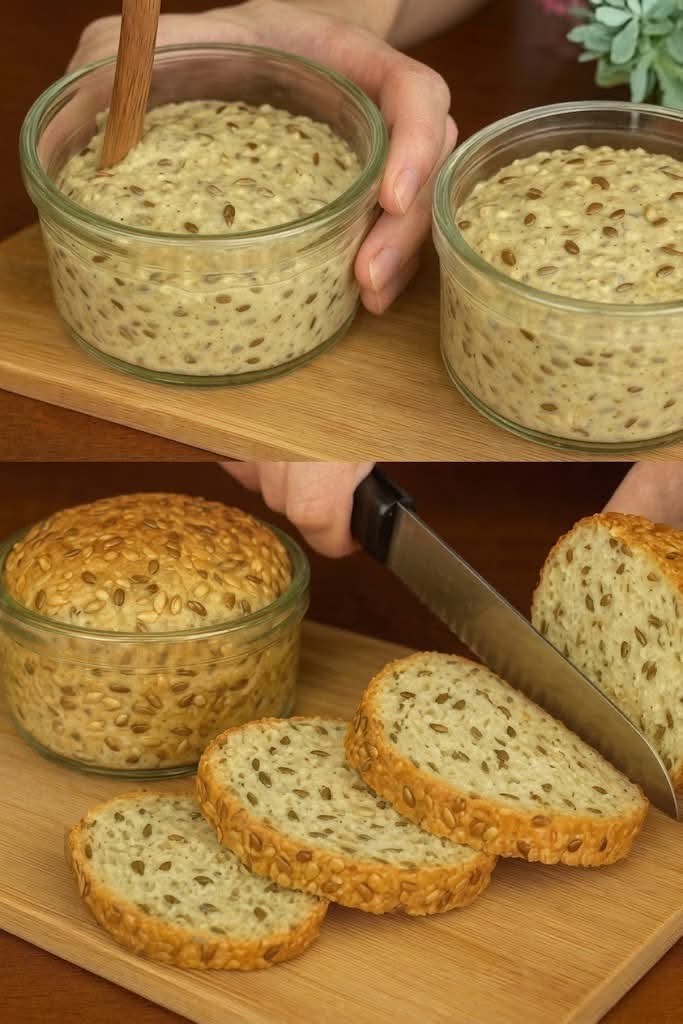
This bread is moist, soft, slightly nutty, and hearty without feeling heavy. The seeds create a rustic, bakery‑style texture that makes every slice satisfying. The crust is golden and tender, not hard or chewy. Because there is no yeast, the crumb is denser than traditional wheat bread, similar to a soda bread or a hearty muffin – but in the best possible way. It is sturdy enough to hold sandwich toppings yet tender enough to enjoy on its own.
How to Store, Freeze, and Reheat
Room Temperature
Store the cooled bread in an airtight container or wrapped in a kitchen towel for up to 3 days. The high moisture content means it is best eaten within a few days.
Refrigerator
Store in an airtight container for up to 1 week. The bread will become slightly denser when cold; toast slices to bring back the fresh‑baked feel.
Freezer
Wrap the whole loaf or individual slices tightly in plastic wrap, then place in a freezer bag. Freeze for up to 2 months. Thaw at room temperature or toast directly from frozen.
To Reheat
For the best texture, toast slices in a toaster, toaster oven, or under the broiler for 1‑2 minutes. You can also warm the whole loaf in a 300°F oven for 5‑7 minutes.
Best Ways to Eat This Bread
This bread tastes amazing with:
Avocado and red pepper flakes
Cream cheese and smoked salmon
Poached or scrambled eggs
Soup or chili (perfect for dipping)
Butter and a drizzle of honey (for the sweet version)
Olive oil and balsamic vinegar
Peanut butter and banana slices
Hummus and roasted vegetables
It also toasts beautifully – a quick trip to the toaster oven transforms it into the perfect base for avocado toast or bruschetta.
Common Mistakes to Avoid
Using jars that are too full – The bread expands while baking. Fill only halfway.
Overmixing – Too much mixing can make the texture dense and gummy. Stir just until combined.
Using very thin jars – Always use oven‑safe glass jars designed for canning (Mason, Ball, Kerr).
Overbaking – This bread stays best when slightly moist inside. Check for doneness with a toothpick; it should come out clean, but the bread should not be dry.
Skipping the grease – Even glass jars need greasing, or the bread will stick.
Cutting while warm – Warm bread is crumbly. Let it cool completely for clean slices.
Why Homemade Bread Feels So Comforting
There is something deeply satisfying about warm bread, simple ingredients, and fresh homemade texture. And when the recipe is fast and healthy, it becomes even more rewarding. This is the kind of recipe people make once and then keep making every week. The process of mixing the batter, watching it rise in the jar, and pulling a golden loaf from the oven is pure therapy. This simple homemade bread recipe brings that comfort without the wait.
Frequently Asked Questions
Can I use regular all‑purpose flour?
This recipe is specifically designed for oat flour to avoid white flour. If you want to use white flour, you would need to adjust the liquid ratio significantly. For the healthiest version, stick with oat flour.
Can I make this gluten‑free?
Yes – oat flour is naturally gluten‑free as long as you use certified gluten‑free oats. All other ingredients are naturally gluten‑free.
Why is my bread dense?
Dense bread can result from overmixing, using old baking powder/soda, or overfilling the jars. Stir gently, check the expiration dates on your leavening agents, and fill jars only halfway.
Can I bake this in a regular loaf pan?
Absolutely. Grease a 9×5 inch loaf pan and pour the batter in. Bake at 350°F for 30‑40 minutes. The jar version is for presentation and portion control, but the taste is identical.
How many calories are in a slice?
One slice (1/8 of a jar loaf) contains approximately 140‑180 calories, 7g fat, 18g carbohydrates, 4g fiber, and 6g protein. This is a nutritious, filling bread that supports energy and satiety.
Can I add sweetener?
The base recipe has no added sugar, but you can add 2 tablespoons of honey or maple syrup to the wet ingredients for a slightly sweet version. This will add about 30 calories per slice.
Final Thoughts
This quick bread‑in‑a‑jar recipe proves that homemade bread does not need white flour, yeast, sugar, or hours of preparation. Instead, you get a soft texture, rich flavor, healthy ingredients, and beautiful homemade comfort – all in one simple recipe that is ready much faster than traditional bread. Whether you keep it savory with rosemary and Parmesan or sweet with cinnamon and raisins, this jar bread will become a favorite. This truly is the best healthy no yeast bread for everyday eating.
So blend those oats, gather your seeds, and get ready to bake the most satisfying, wholesome, beautiful jar bread of your life. Serve it warm with butter, and enjoy every nutty, seed‑packed, golden bite.
Have you made this bread in a jar? What’s your favorite variation – rosemary Parmesan, everything bagel, or cinnamon raisin? Share your photos and tips in the comments below. And if this recipe helped you avoid white flour and sugar, save it for later or send it to a friend who loves healthy homemade bread.