
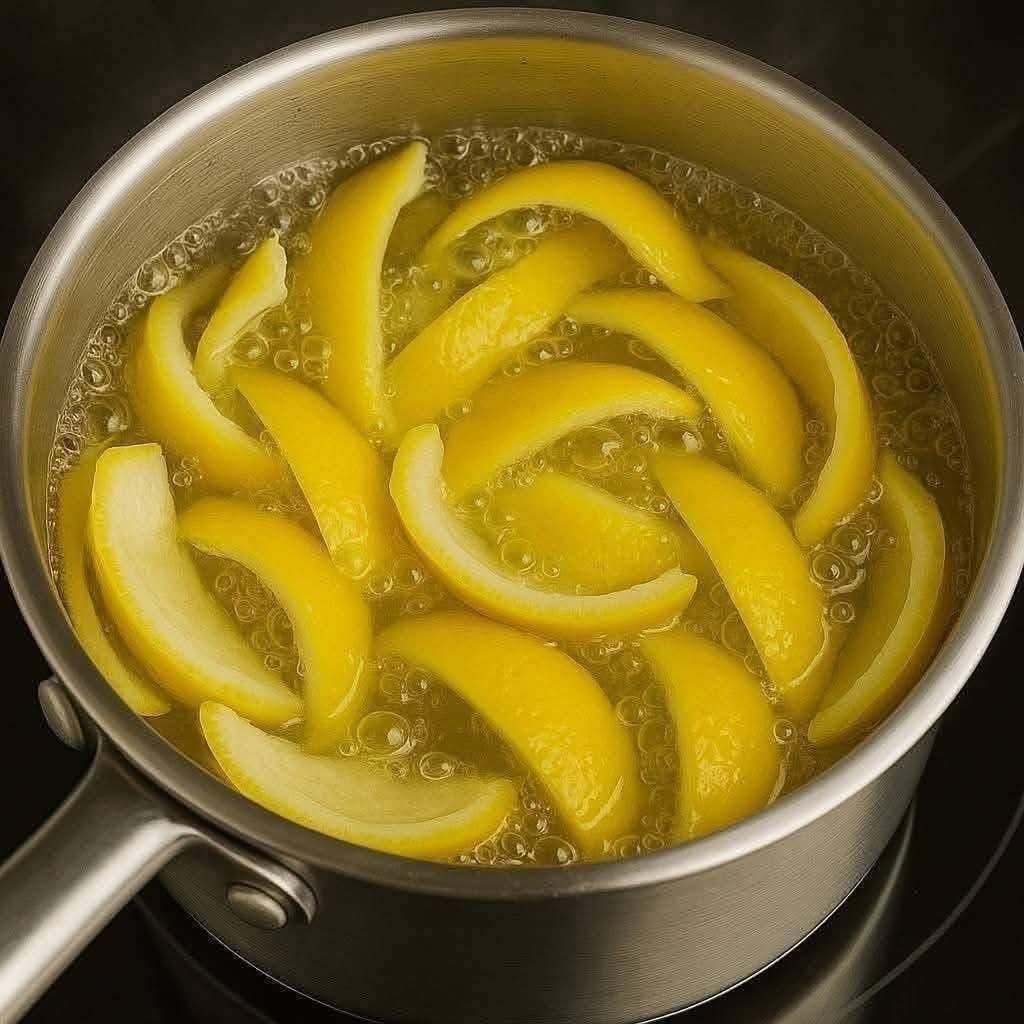
4. Mint Lemon Peel Tea (Refreshing)
Add a handful of fresh mint leaves during the last 5 minutes of simmering or steep them after turning off the heat. Mint adds a cooling, fresh flavor and aids digestion.
5. Honey Lemon Peel Tea (Sore Throat Soother)
After straining, stir in 1‑2 teaspoons of raw honey. Honey has antimicrobial properties and coats the throat, making this ideal for cold and flu season.
6. Iced Lemon Peel Tea (Summer Cooler)
Prepare the tea as directed, then chill completely. Pour over ice and garnish with fresh lemon slices and mint. Add a splash of sparkling water for a probiotic‑free soda alternative.
7. Orange or Grapefruit Peel Tea (Variety)
Use the same method with orange, grapefruit, or tangerine peels. Each citrus has slightly different flavonoid profiles. Orange peel tea is especially rich in hesperidin, which supports circulation.
8. Spiced Lemon Peel Chai
Add a few cardamom pods, a star anise, and a small piece of vanilla bean to the simmering water along with the lemon peels. This makes a fragrant, comforting chai‑style tea.
How to Dry and Store Lemon Peels for Year‑Round Use
If you have a week with many lemons, do not waste the peels. Drying them allows you to enjoy lemon peel tea even when fresh lemons are expensive or out of season.
Oven Drying Method:
Preheat oven to 200°F (95°C).
Arrange lemon peels in a single layer on a parchment‑lined baking sheet.
Bake for 2‑3 hours, checking occasionally, until the peels are brittle and snap when bent.
Cool completely, then store in an airtight glass jar away from sunlight.
Air Drying Method:
Thread lemon peels onto a string and hang in a warm, dry, well‑ventilated area (like near a window or above the stove). Depending on humidity, they will dry in 3‑7 days. This method preserves more volatile oils.
To use dried peels: Use 2 tablespoons of dried lemon peel for every 4 cups of water. Simmer for 15‑20 minutes as with fresh peels.
How to Incorporate Lemon Peel Tea Into Your Daily Routine
Consistency is key to experiencing the benefits. Here is a sample schedule:
Morning (empty stomach): Drink 1 cup warm lemon peel tea to hydrate after sleep, stimulate digestion, and kickstart metabolism.
Mid‑afternoon (instead of coffee): Replace your second cup of coffee with iced lemon peel tea for a caffeine‑free energy lift.
Evening (after dinner): A small cup (without sweetener) can aid digestion and freshen breath.
Start with 1 cup per day for the first week, then increase to 2 cups if desired. Listen to your body – some people are more sensitive to citrus compounds.
Frequently Asked Questions
Is it safe to drink boiled lemon peel water every day?
Yes, for most healthy adults. Drinking 1‑2 cups of lemon peel tea daily is considered safe. However, because lemon peels contain oxalates, people with a history of kidney stones (calcium oxalate type) should consult a doctor before drinking large amounts. Also, the acidic nature may bother those with severe GERD or stomach ulcers – start with a small amount and monitor your reaction.
Can I use lemon peels from non‑organic lemons?
You can, but you must wash them very thoroughly. Conventional lemons are often treated with fungicides and waxes. Scrub with a vegetable brush under warm water, then soak in a vinegar solution (1 part vinegar, 3 parts water) for 10 minutes, and rinse again. Even better: buy organic.
Will lemon peel tea damage tooth enamel?
Lemon juice is highly acidic and can erode enamel, but lemon peel tea is much less acidic because the citric acid is mostly in the juice, not the peel. To be extra safe, drink the tea through a straw and rinse your mouth with plain water afterward. Do not brush your teeth immediately after – wait 30 minutes.
How long does the tea last in the refrigerator?
Store strained lemon peel tea in a sealed glass jar or bottle in the refrigerator for up to 3 days. The flavor will fade, and some of the antioxidants may degrade, so it is best to make it fresh.
Can I add the tea to smoothies or soups?
Absolutely. Use chilled lemon peel tea as the liquid base for green smoothies. You can also use it to cook grains (like quinoa or rice) for a subtle citrus note, or as a broth for light vegetable soups.
How many calories are in a cup of lemon peel tea?
Without sweetener, a cup has approximately 5‑10 calories, almost entirely from trace sugars in the peel. With 1 teaspoon of honey, add about 20 calories.
Can I drink this while pregnant or breastfeeding?
Moderate consumption (1 cup per day) is generally considered safe during pregnancy, but you should always consult your healthcare provider first. Some herbalists recommend avoiding large amounts of concentrated citrus peels due to potential uterine stimulation, though evidence is weak. Better safe – ask your doctor.
Does boiling destroy vitamin C?
Heat does degrade some vitamin C, but research shows that 15‑20 minutes of simmering retains 40‑60% of the original vitamin C content. The other beneficial compounds (flavonoids, d‑limonene, pectin) are heat‑stable. You still get significant benefits. For maximum vitamin C, make a cold infusion: steep peels in room temperature water for 8‑12 hours.
The Science Behind Lemon Peel Benefits
Let’s take a quick look at what studies say about lemon peel compounds:
d‑limonene: A 2013 study published in the journal *Nutrition and Cancer* found that d‑limonene could help reduce oxidative stress and support liver detoxification enzymes.
Flavonoids (hesperidin): Research in the *American Journal of Clinical Nutrition* showed that hesperidin improves blood vessel function and reduces inflammation.
Pectin: A 2017 review in *Carbohydrate Polymers* confirmed that pectin acts as a prebiotic, feeding beneficial gut bacteria and improving digestive health.
Antimicrobial activity: A 2018 study in the *Journal of Food Science and Technology* demonstrated that lemon peel extracts inhibit the growth of several harmful bacteria, including E. coli.
While no single food is a cure‑all, the evidence strongly supports lemon peel tea as a valuable addition to a healthy lifestyle.
Why You Should Start Boiling Lemon Peels Today
You have probably thrown away dozens – maybe hundreds – of lemon peels in your life. Starting today, you can transform that waste into wellness. The benefits are real: better digestion, stronger immunity, clearer skin, a happier liver, and a simple, inexpensive ritual that costs almost nothing. All you need is a lemon, water, and 20 minutes.
👉 Now, I need your help to keep sharing recipes like this one. The algorithm rewards engagement, and I want to keep sending you natural, easy, home‑remedy recipes. Please comment below with anything – “More recipes please,” “Yes I want this,” or even just a ❤️. When you comment, I will send you the full printable version of this lemon peel tea recipe, plus you will unlock access to my next 5 kitchen remedy recipes (ginger shots, turmeric milk, fire cider, and more). 👈
Do not let this knowledge go to waste. Boil those peels. Sip slowly. Notice how your body responds. And come back to tell me your results.
Final Thoughts
Boiling lemon peels and drinking the liquid is one of the oldest, simplest, and most effective home remedies. It turns trash into treasure, cuts down on food waste, and nurtures your body from the inside out. The next time you reach for a lemon, remember: the peel is not a wrapper – it is the medicine. This truly is a natural immune boosting drink that everyone can afford.
So grab a lemon, wash it well, peel it, boil it, strain it, and sip. Your future self will thank you. And do not forget to leave your comment – I am waiting to send you more healthy recipes.
Have you tried boiling lemon peels? What changes have you noticed in your digestion, skin, or energy? Share your experience in the comments below – and do not forget to write something so I can keep sharing my best kitchen remedies with you. 💛