
Floor Type Compatibility – What Works and What Doesn’t
This homemade solution is safe for most common flooring types, but here are specific recommendations:
Ceramic and porcelain tile – Excellent. The vinegar helps remove soap scum and hard water stains.
Vinyl and linoleum – Good. Wring the mop well and avoid excess water that could seep into seams.
Laminate flooring – Use sparingly. Laminate is sensitive to moisture. Use a well‑wrung mop and dry immediately. Consider using a spray bottle with the solution instead of a bucket.
Hardwood (sealed) – Safe if used correctly. Use a slightly damp mop, never wet. Do not let water pool.
Natural stone (marble, travertine) – Avoid vinegar. Acidic cleaners can etch natural stone. Use a neutral pH cleaner instead.
Unsealed wood or cork – Do not use. Moisture will damage unsealed surfaces.
Why Fabric Softener Is the Secret Ingredient
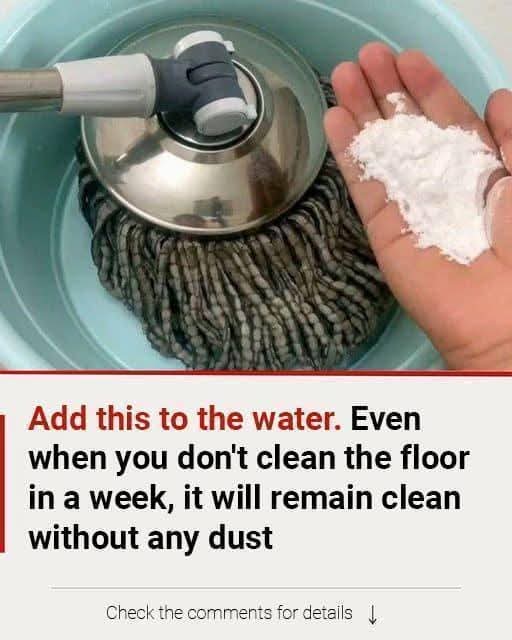
Fabric softener contains quaternary ammonium compounds (quats) and silicones that coat fibers to reduce static cling. When added to mop water, these same ingredients create an invisible, anti‑static film on your floors. Static electricity attracts dust – think of how a balloon rubbed on hair attracts small particles. By neutralizing static, the floor no longer pulls dust out of the air. This is why floors cleaned with fabric softener stay noticeably less dusty for days or even weeks. This anti‑static floor cleaner is the real game‑changer.
Frequently Asked Questions
Can I use this on all floor types?
As noted above, this solution works on tile, vinyl, laminate (with care), and sealed hardwood. Do not use on natural stone, unsealed wood, or cork. Always test a small hidden area first.
Will this make my floors slippery?
If you use the correct proportions (2 tablespoons of fabric softener per gallon of water) and wring your mop well, the floor will not be slippery. Too much fabric softener can create a slick residue, so measure carefully.
Can I use this solution in a steam mop?
No. Steam mops are designed to use only water. Adding any other liquid can damage the machine. Use this solution in a traditional mop bucket or spray mop.
How often should I mop with this solution?
For most homes, once a week is sufficient. In high‑traffic areas or homes with pets and children, you may need to mop every 4‑5 days. The beauty of this recipe is that the floors stay clean longer, so you can mop less frequently.
Can I use this on floors with pets?
Yes. The ingredients are safe for pets once dry. However, if your pet has sensitive paws or tends to lick the floor, consider using an unscented fabric softener and omit essential oils. Always allow the floor to dry completely before letting pets walk on it.
Does this solution leave a scent?
Fabric softener has a noticeable scent. If you prefer unscented, choose a fragrance‑free fabric softener. White vinegar’s smell dissipates quickly as it dries. Essential oils add a natural scent if desired.
Can I use this in a spray mop?
Yes, but dilute the solution slightly more (use ¾ water, ¼ vinegar, 1 tablespoon fabric softener, and ½ tablespoon dish soap in the spray bottle). Shake before each use. Some spray mop bottles may not handle fabric softener well, so test first.
How do I clean the mop head after using this?
Rinse your mop head thoroughly with warm water. The fabric softener can build up on fibers, so wash reusable mop pads in the washing machine with laundry detergent every few uses.
Comparison: Store‑Bought vs. Homemade Floor Cleaner
| Feature | Store‑Bought Cleaner | Homemade Solution |
|---|---|---|
| Cost per use | $0.50‑$1.00 | $0.05‑$0.10 |
| Toxicity | Often contains harsh chemicals | Natural, safe for families and pets |
| Dust repelling | Rarely | Yes – fabric softener reduces static |
| Residue | Often leaves sticky film | Leaves clean, anti‑static finish |
| Scent | Artificial | Natural or customizable with essential oils |
| Plastic waste | Single‑use bottles | Zero waste from ingredients you already have |
Maintenance Tips to Keep Floors Clean Longer
Even with this miracle solution, a few habits will extend the time between moppings:
Place doormats at every entrance – They trap dirt before it reaches your floors.
Remove shoes indoors – Shoes track in dust, dirt, and oils.
Vacuum or sweep high‑traffic areas every 2‑3 days – This removes loose particles before they get ground in.
Use a microfiber dust mop for quick daily maintenance – It picks up dust without scattering it.
Keep humidity levels balanced – Very dry air increases static, which attracts dust. A humidifier can help.
Real Results – What to Expect After the First Use
After mopping with this solution for the first time, you will notice three things:
Your floors will look streak‑free and shiny.
They will feel clean and smooth, not sticky.
Over the next several days, you will see significantly less dust accumulating. Even if you do not mop for a week, the floors will still look presentable. A quick sweep may remove a small amount of surface dust, but you will not see the usual dust bunnies and settled grime.
Why You Should Try This Homemade Floor Cleaner Today
You probably already have white vinegar, dish soap, and fabric softener in your home. The cost is pennies. The time to mix is under a minute. The result is cleaner floors that stay clean for an entire week – even if you do not mop again. This is one of the simplest, most effective cleaning hacks you will ever use. It saves you time, money, and effort, and it reduces your exposure to harsh chemicals. This weekly floor cleaning recipe is a true game‑changer.
So add these ingredients to your mop water, and enjoy floors that remain dust‑free and sparkling for days on end. Your future self will thank you.
Have you tried this floor cleaning hack? What results did you see? Share your before‑and‑after photos and tips in the comments below. And if this trick saved you time and effort, save it for later or share it with a friend who is tired of constant floor cleaning.