
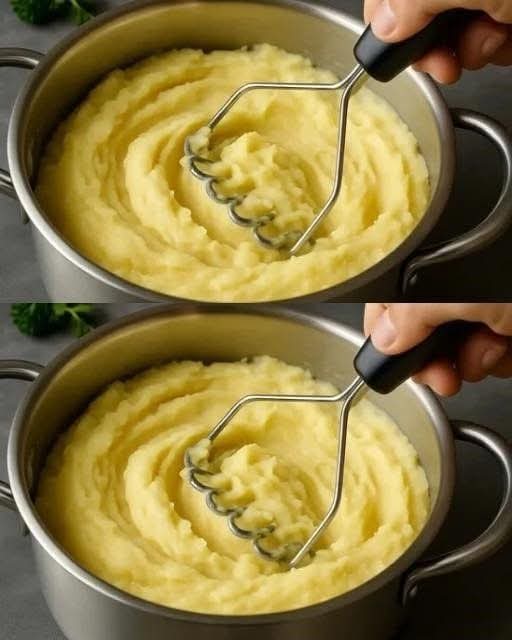
Mashed potatoes are the ultimate comfort food. Creamy, buttery, and fluffy, they are the star of holiday dinners, Sunday roasts, and weeknight meals alike. Yet for such a simple dish, so many home cooks struggle to get them right. Lumpy, gluey, watery, or bland – we have all been there. And the usual advice? Add milk or water to loosen them up. But according to a well‑known chef’s secret, that is exactly where most people go wrong.
Stop adding milk or water to your mashed potatoes! Why? Because milk and water thin out the natural potato starches and dilute the flavor. Instead, the best mashed potatoes are made with a different liquid – one that adds richness, creaminess, and depth without watering down that velvety texture. In this guide, you will learn the chef’s better way, the science behind it, step‑by‑step instructions for the most decadent mashed potatoes of your life, delicious variations, and pro tips to avoid common mistakes.
Why Milk and Water Ruin Mashed Potatoes
Milk and water seem harmless. They are liquids that help break down the potatoes and create a smoother consistency. However, they come with serious downsides:
· Water adds no flavor – It simply dilutes the natural potato taste.
· Milk can curdle – Especially if you add cold milk to hot potatoes, or if your potatoes are acidic (some varieties are).
· Both make potatoes gummy – When you overwork the potatoes, the starches release and become gluey. Adding water or milk encourages overmixing because you keep stirring trying to achieve the right consistency.
· They cool the potatoes down – You then have to reheat, which can further alter the texture.
The chef’s secret? Replace milk and water with heavy cream, half‑and‑half, or even cream cheese. Better yet, use the water you boiled the potatoes in (yes, potato water) combined with butter and a dairy fat. But the ultimate pro move is to use warm heavy cream and an obscene amount of butter.
The Chef’s Better Way: Ingredients and Tools
The secret to restaurant‑quality mashed potatoes lies in three simple changes:
- Use the right potato – Russets (floury) or Yukon Golds (buttery). Avoid waxy potatoes like red or new potatoes.
- Heat your dairy – Never add cold milk or cream. Warm it first.
- Use a potato ricer or food mill – No lumps, no overworking.
Ingredients (Serves 6‑8)
· 3 lbs (about 1.4 kg) Russet or Yukon Gold potatoes
· 1 cup (240 ml) heavy cream (or half‑and‑half)
· ½ cup (1 stick / 113 g) unsalted butter, plus more for serving
· 1 teaspoon salt (or to taste)
· ¼ teaspoon white pepper (black pepper works but will show specks)
· Optional add‑ins: 4 oz cream cheese, ½ cup sour cream, roasted garlic, fresh chives, or grated Parmesan
Equipment
· Large pot
· Potato ricer or food mill (or a masher, but ricer is best)
· Fine‑mesh strainer (if using a ricer)
· Small saucepan for warming cream
Step‑by‑Step Instructions (The Chef’s Method)
Step 1 – Choose and Prep the Potatoes
Peel the potatoes (if using Russets; Yukon Golds can be peeled or left unpeeled for a rustic look, but peel for ultra‑smooth). Cut them into uniform 1‑inch chunks. This ensures even cooking.
Step 2 – Boil in Salted Water
Place the potatoes in a large pot and cover with cold water by about 1 inch. Add 1 tablespoon of salt to the water (this seasons the potatoes from the inside). Bring to a boil, then reduce heat to a simmer. Cook for 15‑20 minutes until a fork slides in easily with no resistance. Do not overcook – waterlogged potatoes make watery mash.
Step 3 – Drain and Dry
Drain the potatoes in a colander. Return them to the hot pot (off the heat) and shake or stir for 1‑2 minutes. This drives off excess steam and dries the potatoes, which prevents a watery mash.
Step 4 – Heat the Cream and Butter
While the potatoes are draining, combine the heavy cream and butter in a small saucepan. Heat over low until the butter melts and the mixture is hot but not boiling. Keep warm.
Step 5 – Rice the Potatoes
Pass the hot, dry potatoes through a potato ricer or food mill directly into a large bowl. This breaks them down into light, fluffy strands without developing gluten. If you do not have a ricer, use a masher gently – do not overwork.
Step 6 – Incorporate the Warm Dairy
Pour the warm cream‑butter mixture over the riced potatoes. Add salt and white pepper. Gently fold with a rubber spatula until just combined. Do not stir vigorously – this is the golden rule. Overmixing = gluey potatoes.
Step 7 – Adjust Consistency
If the potatoes are too thick, add a few more tablespoons of warm cream. If too thin (rare), you can return them to low heat and stir gently to evaporate some moisture, but add a little more butter to compensate.
Step 8 – Taste and Finish
Taste and adjust seasoning. Stir in any optional add‑ins at this point (cream cheese, sour cream, roasted garlic, chives). Transfer to a serving bowl. Make a well in the center and add a pat of butter. Serve immediately.
Why This Method Creates the Best Mashed Potatoes
· No water/milk dilution – The fat from cream and butter carries flavor and creates a silky mouthfeel.
· Warm dairy – It incorporates smoothly without cooling the potatoes, which would make them stiff and require extra mixing.
· Potato ricer – Produces light, fluffy potatoes without lumps or overworked starch.
· Proper drying – Removing excess steam means less water in the final dish.
The result? Mashed potatoes that are rich, creamy, and flavorful – not a single drop of skim milk in sight.
Pro Tips for the Most Decadent Mashed Potatoes
- Use a 2:1 Ratio of Potato to Dairy
For every pound of potatoes, use about ⅓ cup of heavy cream and 2 tablespoons of butter. Adjust to your preference – add more for ultra‑creamy, less for a firmer mash.
- Warm Your Mixing Bowl
If your kitchen is cold, warm the bowl with hot water before adding the potatoes. This prevents the mash from cooling too quickly.
- Never Use a Food Processor or Hand Mixer
These tools will turn your mashed potatoes into a gluey paste. Always use a ricer or masher by hand.
- Add Cream Cheese for Tang
Stir in 4 oz of softened cream cheese for a tangy, velvety twist. This is a classic steakhouse secret.
- Infuse with Garlic
Simmer a few peeled garlic cloves in the cream before adding to the potatoes. Remove the cloves or mash them in for a mellow garlic flavor.
- Make Ahead
You can prepare mashed potatoes up to 2 hours in advance. Keep them warm in a slow cooker on low, or place the bowl over a pot of simmering water (double boiler). Add a little warm cream before serving to loosen.
- Freeze for Later
Spread cooled mashed potatoes in a baking dish, cover, and freeze. To reheat, bake at 350°F, stirring occasionally, adding butter and cream as needed.
Delicious Variations (Same Rich Technique)
Once you master the chef’s base recipe, try these easy twists.
- Roasted Garlic Mashed Potatoes
Roast a whole head of garlic (cut top off, drizzle with oil, wrap in foil, bake at 400°F for 40 minutes). Squeeze the soft cloves into the potatoes.
- Cheddar and Chive Mashed Potatoes
Fold in 1 cup of shredded sharp cheddar and ¼ cup of fresh chives. The cheese melts into the hot potatoes.
- Horseradish Mashed Potatoes
Add 2 tablespoons of prepared horseradish (or more to taste). This is perfect with prime rib.
- Blue Cheese Mashed Potatoes
Crumble ½ cup of blue cheese into the potatoes. The tangy, funky flavor pairs wonderfully with steak.
- Truffle Mashed Potatoes
Drizzle 1‑2 teaspoons of truffle oil and add a pinch of truffle salt. This is pure luxury.
- Lemon & Herb Mashed Potatoes
Add the zest of one lemon, 2 tablespoons of fresh parsley, and 1 tablespoon of fresh thyme. Bright and refreshing.
- Vegan Mashed Potatoes
Use plant‑based butter and full‑fat oat or cashew cream. Add roasted garlic for depth. The result is still creamy and delicious.
How to Keep Mashed Potatoes Warm for Hours
If you are entertaining, you can make mashed potatoes ahead and keep them warm without drying out.
Method 1: Slow Cooker
Transfer the finished mashed potatoes to a slow cooker set on LOW. Stir occasionally. Add a splash of warm cream if they thicken too much.
Method 2: Double Boiler
Place the bowl of mashed potatoes over a pot of barely simmering water (the bowl should not touch the water). Cover and stir every 15 minutes.
Method 3: Oven
Keep them in a covered baking dish in a 200°F oven for up to 2 hours. Stir in extra butter before serving.
Common Mashed Potato Mistakes (And How to Fix Them)
Mistake Why It Happens Fix
Gluey, gummy texture Overmixing or using a food processor Use a ricer; fold gently.
Watery potatoes Potatoes were waterlogged or you added cold liquid Dry potatoes after boiling; use warm dairy.
Lumpy mash Uneven cooking or not using a ricer Cook potatoes evenly; pass through a ricer.
Bland taste Not enough salt or butter Salt the boiling water; season generously.
Gray or discolored Potatoes oxidized or overcooked Use fresh potatoes; don’t overcook.
Frequently Asked Questions (Mashed Potatoes)
Can I use milk instead of heavy cream?
Yes, but the result will be less rich. Use whole milk and add an extra tablespoon of butter. Warm the milk before adding.
What is the best potato for mashed potatoes?
Russets (fluffy, starchy) – best for light, airy mash. Yukon Golds (buttery, naturally creamy) – best for rich, dense mash. Avoid red or new potatoes (waxy).
Why do restaurant mashed potatoes taste so much better?
They use copious amounts of butter and cream, a potato ricer, and they never overmix. They also often add cream cheese or sour cream.
Can I make mashed potatoes without a ricer?
Yes, use a hand masher. But do not mash too vigorously. For an extra step, press the cooked potatoes through a colander with the back of a spoon.
How do I reheat leftover mashed potatoes?
Add a few tablespoons of warm cream or milk and a pat of butter. Reheat gently in a saucepan over low heat, stirring constantly, or in a microwave in 30‑second bursts, stirring in between.
Can I add raw garlic to the potatoes?
No – raw garlic will be too harsh. Roast it first, or simmer garlic cloves in the cream, then discard or mash them in.
How much salt should I use?
Season the boiling water generously (like the sea). Then add more salt after mashing to taste. Potatoes absorb salt during boiling, so you need less later.
Are mashed potatoes gluten‑free?
Yes, if you use only potatoes, butter, cream, and salt. Be careful with add‑ins like prepared broths or seasoned salts that may contain gluten.
The Science: Why Starches Get Gluey
Potatoes contain two starches: amylose and amylopectin. When you cut, mash, or blend potatoes, you rupture the cells and release these starches. If you then agitate them too much, the amylose forms long chains that create a gluey, pasty texture. That is why a ricer is ideal – it breaks the potatoes into small, separate pieces without rupturing many cells. Then, folding in fat (butter and cream) coats the starch molecules, preventing them from linking together. This is the same reason you add fat to risotto or pasta sauce – it keeps things creamy, not sticky.
Why the Chef’s Tip Will Change Your Mashed Potato Game
The next time you make mashed potatoes, resist the urge to reach for the milk carton. Instead, heat up some cream, melt a generous amount of butter, and treat your potatoes with a gentle hand. You will taste the difference. Your mashed potatoes will be richer, creamier, and more flavorful – the kind that people ask for the recipe.
This method is not just for holidays. It turns a humble side dish into a star. Serve them with roasted chicken, meatloaf, bangers and mash, or a simple steak. Your family will think you spent hours at the stove, but you will know the secret: stop adding milk or water, and start adding cream and butter.
Final Thoughts
The well‑known chef’s tip is simple: stop adding milk or water to your mashed potatoes. Instead, use warm heavy cream and plenty of butter. Pair that with a potato ricer and gentle folding, and you will achieve the creamiest, fluffiest, most decadent mashed potatoes of your life. No lumps, no gluey texture, no diluted flavor – just pure, buttery, potato perfection.
So the next time you make mashed potatoes, remember: water and milk are out. Cream and butter are in. Your taste buds will thank you.
Have you tried this chef’s method for mashed potatoes? Share your experience in the comments below. And if you found this guide helpful, save it for later or send it to a friend who loves creamy, dreamy mashed potatoes.