
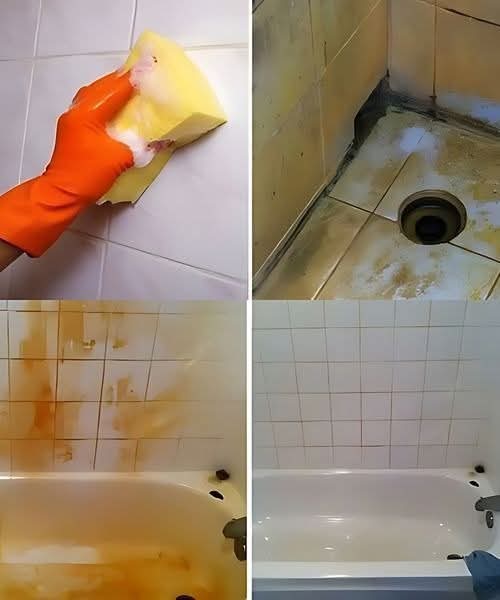
Pro Tips for the Best Results
Follow these expert tips for effective natural tile cleaning every time:
Test on a small, hidden area first – While this paste is safe for most ceramic and porcelain tiles, it can damage natural stone (marble, travertine, slate) or unsealed grout. Always test a small inconspicuous spot.
Do not let the paste dry completely – Dried paste can be harder to rinse and may leave a white residue. Work in sections, or keep a spray bottle handy to mist the paste if it begins to dry.
Wear gloves – The acidic mixture can irritate sensitive skin. Rubber gloves are recommended, especially if you have cuts or dry hands.
Use a scrub brush for grout – An old toothbrush or small grout brush helps get into crevices.
Rinse very well – Any leftover residue can attract new dirt. Rinse thoroughly and dry with a clean cloth.
For extremely hard water stains, increase the vinegar or lemon juice – You can also spray straight vinegar on the stain first, let it sit for 5 minutes, then apply the paste.
Store any leftover paste in an airtight container – It will keep for a few days, but it works best when fresh.
Why This Cleaner Is Better Than Store‑Bought Products
Commercial bathroom cleaners often contain harsh chemicals like bleach, ammonia, or strong acids that can irritate your lungs, skin, and eyes. They also come in plastic bottles that create waste. This homemade cleaner is made from natural, biodegradable ingredients that are safe for your family and the environment. It costs pennies to make, and you likely already have everything in your kitchen and bathroom cabinet. Plus, it works just as well – if not better – than expensive name‑brand products. This is a green bathroom cleaning solution you can feel good about using.
Safety Precautions and Important Notes
Do not mix with bleach or ammonia – This can create toxic fumes. Only use the ingredients listed.
Avoid use on natural stone tiles – Vinegar and lemon acid can etch marble, limestone, travertine, and other calcareous stones.
Test on colored grout – The paste may lighten or discolor some colored grout. Test first.
Keep out of reach of children and pets – While natural, the mixture can cause stomach upset if ingested.
Do not use on waxed or oiled surfaces – The cleaning action can strip protective coatings.
Maintenance Tips to Keep Bathroom Tiles Clean Longer
After you have scrubbed your tiles sparkling clean, follow these habits to prevent soap scum and hard water buildup from returning quickly:
Squeegee tiles after every shower – This removes excess water and reduces mineral deposits.
Use a daily shower spray – A simple mixture of equal parts water and white vinegar in a spray bottle, used after each shower, prevents buildup.
Keep the bathroom well‑ventilated – Run the exhaust fan during and after showers to reduce humidity.
Apply this paste once a month for deep cleaning – Regular maintenance prevents thick, stubborn layers.
Switch to liquid soap or body wash – Bar soaps create more soap scum than liquid cleansers.
Frequently Asked Questions
Can I use white vinegar instead of apple cider vinegar?
Yes. White distilled vinegar has a higher acidity and works even better for limescale. Apple cider vinegar has a milder scent and is also effective.
Can I use this on glass shower doors?
Yes, this paste is safe for glass. However, use a soft sponge to avoid scratching. Rinse thoroughly to prevent streaks. For best results on glass, follow up with a vinegar‑water spray and a squeegee.
Will this damage my tile grout?
On standard cement‑based grout, this paste is safe. However, acidic ingredients can slowly erode grout over many uses. Rinse well. If your grout is unsealed, consider sealing it after cleaning. Test a small area first.
How often can I use this cleaner?
For regular maintenance, once a month is sufficient. For heavy buildup, you can use it weekly until the problem is resolved. After that, switch to a milder daily spray.
Can I use this on fiberglass or acrylic tubs/showers?
Yes, but be gentle. These surfaces scratch more easily. Use a soft sponge and avoid heavy scrubbing. The acidic ingredients are safe for fiberglass and acrylic.
Why is my paste not fizzing?
The fizzing reaction occurs when baking soda meets vinegar or lemon juice. If your baking soda is old or the acid is not fresh, the reaction may be minimal. It still works, but the fizz helps lift dirt. Use fresh ingredients for best results.
Can I add essential oils for scent?
Yes. Add 5‑10 drops of tea tree, lemon, or lavender essential oil for a pleasant scent and additional antimicrobial properties.
Final Thoughts
This simple, homemade bathroom tile cleaner proves you do not need expensive, harsh chemicals to achieve sparkling clean tiles. With just five common household ingredients – apple cider vinegar, baking soda, dish soap, toothpaste, and lemon juice – you can remove years of soap scum and hard water stones naturally. The paste is easy to make, simple to apply, and safe for most bathroom surfaces. Plus, you will save money and reduce plastic waste.
So gather your ingredients, mix up a batch, and give your bathroom tiles the deep cleaning they deserve. Your shower, backsplash, and bathroom walls will look brand new. And the best part? You probably already have everything you need in your kitchen and bathroom right now.
Try this trick today, and enjoy a cleaner, brighter, fresher bathroom – without the toxic fumes and expensive price tags.
Have you tried this homemade bathroom tile cleaner? What was your experience? Share your tips and before‑and‑after photos in the comments below. And if this cleaning trick saved your bathroom, save it for later or share it with a friend who struggles with soap scum and hard water stains.