
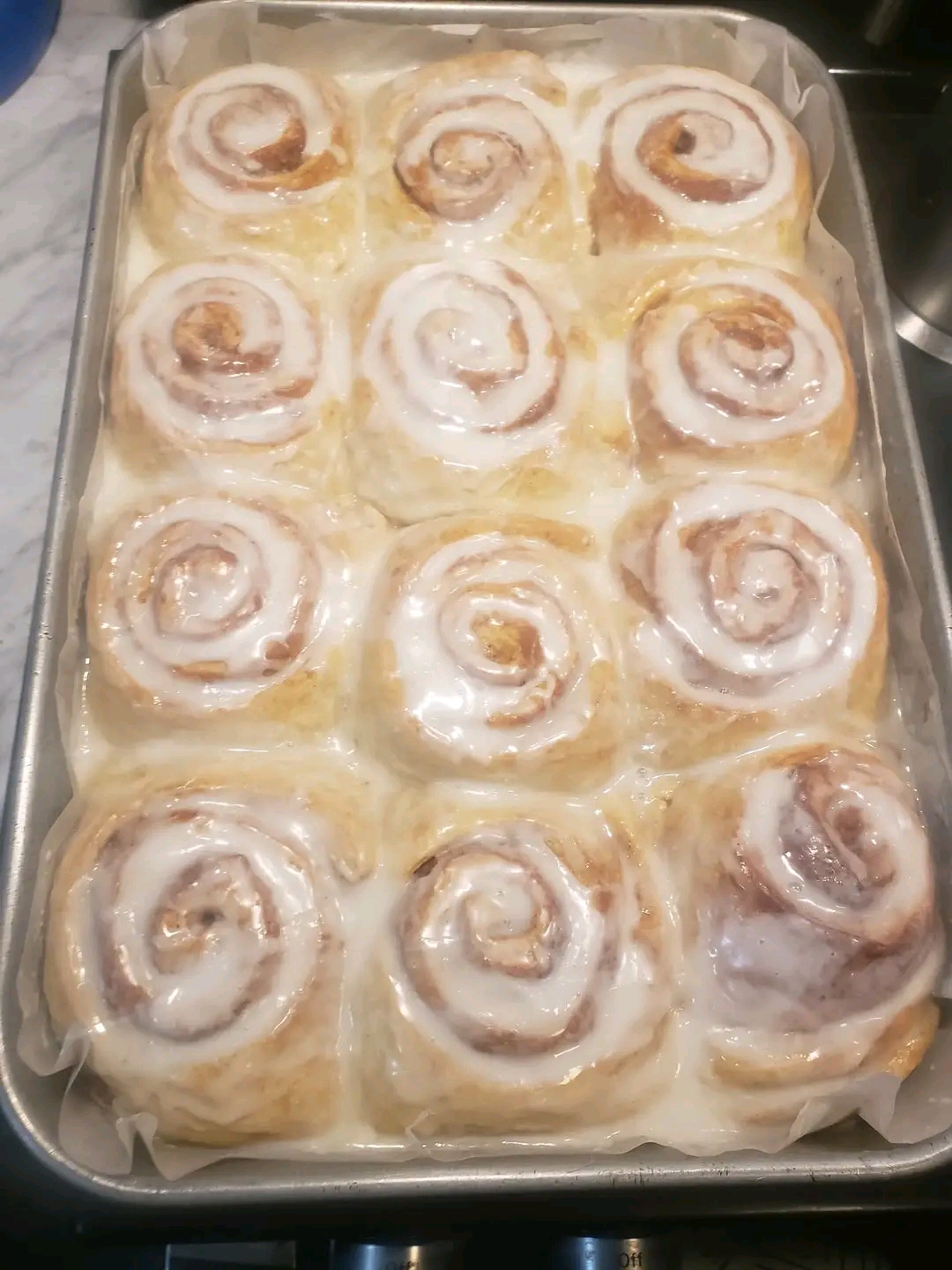
Few homemade treats make a kitchen smell as inviting as freshly baked cinnamon rolls. These soft, fluffy cinnamon rolls are filled with buttery brown sugar and warm cinnamon, then covered with a smooth layer of sweet vanilla icing while they are still slightly warm. The result is a tender, bakery-style breakfast treat with golden edges, a soft center, and plenty of sweet cinnamon flavor.
This easy cinnamon roll recipe is perfect for weekend breakfast, holiday brunch, Christmas morning, family gatherings, or a comforting afternoon treat. The rolls look beautiful straight from the baking pan, yet they are simple enough for a home baker to prepare without professional baking equipment.
If you love homemade bread recipes, easy breakfast recipes, cinnamon desserts, or classic comfort food, these cinnamon rolls are worth adding to your baking collection.
Why These Homemade Cinnamon Rolls Are So Good
The secret to great cinnamon rolls is the combination of soft yeast dough, rich butter, brown sugar, and cinnamon. The dough should be tender and fluffy rather than dense. The filling should melt into the layers as the rolls bake, creating a buttery cinnamon center.
The icing is equally important. A creamy vanilla glaze spread over warm cinnamon rolls melts into the spirals and creates the irresistible finish associated with classic bakery cinnamon rolls.
These rolls also make an excellent homemade breakfast recipe because most of the ingredients are inexpensive pantry staples. Once you learn the basic technique, you can customize the filling, topping, and size according to your preference.
Ingredients for Homemade Cinnamon Rolls
You will need all-purpose flour, instant or active dry yeast, warm milk, granulated sugar, eggs, butter, and salt for the dough. The filling uses softened butter, brown sugar, and ground cinnamon.
For the icing, use powdered sugar, softened butter or cream cheese, vanilla extract, and a small amount of milk or cream. Cream cheese creates a richer frosting, while a simple powdered sugar glaze produces a lighter and sweeter finish.
How to Make Soft Cinnamon Roll Dough
Begin by warming the milk until it is comfortably warm rather than hot. Excessive heat can damage the yeast and prevent the dough from rising properly.
Combine the warm milk with the yeast and a small amount of sugar. If using active dry yeast, allow it to sit for several minutes until it becomes foamy. This helps confirm that the yeast is active.
Add the eggs, melted butter, remaining sugar, and salt. Gradually incorporate the flour, stirring until a soft dough forms.
Transfer the dough to a lightly floured surface and knead until it becomes smooth and elastic. The dough should feel soft and slightly tacky but should not stick excessively to your hands.
Place the dough in a lightly greased bowl, cover it, and allow it to rise in a warm location until approximately doubled in size. Depending on room temperature and yeast activity, this usually takes around one to two hours.
The Best Cinnamon Sugar Filling
While the dough rises, prepare the filling. Softened butter is spread evenly across the rolled-out dough, followed by a generous layer of brown sugar and ground cinnamon.
Brown sugar is especially useful because its deeper caramel flavor pairs beautifully with cinnamon. As the rolls bake, the butter and sugar melt together and create the rich filling that makes every spiral taste like a homemade cinnamon dessert.
For a stronger cinnamon flavor, increase the cinnamon slightly. You can also add a small pinch of nutmeg for a warmer holiday flavor.
How to Roll and Cut Cinnamon Rolls
Once the dough has finished its first rise, roll it into a large rectangle on a lightly floured surface. Try to maintain an even thickness so the finished cinnamon rolls bake consistently.
Spread the softened butter over the surface, leaving a small border around the edges. Sprinkle the brown sugar and cinnamon mixture evenly across the butter.
Starting from one long side, carefully roll the dough into a tight log. Avoid rolling so tightly that the dough becomes compressed. A firm but gentle roll gives the cinnamon layers enough room to expand during baking.
Use a sharp knife or unflavored dental floss to cut the log into evenly sized pieces. Dental floss is particularly useful because it cuts through the dough without flattening the spiral.
Arrange the rolls in a greased baking pan with a little space between them. Cover the pan and allow the rolls to rise again until they look puffy.
How to Bake Cinnamon Rolls
Preheat the oven to 350°F. Once the rolls have completed their second rise, place the baking pan in the oven.
Bake until the tops are lightly golden and the centers are cooked through. The exact baking time varies according to the size of the rolls and the type of baking pan used.
Avoid overbaking. Cinnamon rolls continue to firm slightly as they cool, so removing them once they are properly baked helps preserve their soft texture.
The finished rolls should have lightly golden tops while remaining tender inside. The centers should look fluffy rather than wet or doughy.
How to Make Creamy Cinnamon Roll Icing
For a simple vanilla icing, whisk powdered sugar with softened butter, vanilla extract, and enough milk or cream to reach a smooth spreading consistency.
For cream cheese frosting, beat softened cream cheese and butter until smooth. Add powdered sugar and vanilla, then mix until creamy. Add a small amount of milk if you prefer a softer glaze.
The icing should be thick enough to stay on top of the rolls but soft enough to spread easily.
When Should You Ice Cinnamon Rolls?
For the most delicious texture, spread the icing over the rolls while they are still warm but not extremely hot. The warmth allows the icing to soften and flow into the cinnamon spirals without completely disappearing into the bread.
If you prefer a thicker frosting layer, wait until the cinnamon rolls have cooled for several minutes before spreading the icing.
How to Make Cinnamon Rolls Extra Soft
One of the biggest secrets to soft cinnamon rolls is avoiding too much flour. Adding excessive flour creates a stiff dough and produces heavier rolls.
Start with the recommended amount and add only enough additional flour to make the dough manageable. The dough should remain soft and elastic.
Proper rising time is also important. If the dough does not rise enough, the finished rolls will be dense. Give the yeast time to create a light structure before shaping the dough.
Another useful technique is to avoid packing the rolls too tightly into the pan. They should have enough room to expand during the second rise and baking process.
Make-Ahead Cinnamon Rolls
Homemade cinnamon rolls are excellent for preparing ahead of time. You can assemble the rolls in the baking pan, cover them tightly, and refrigerate them overnight.
The next morning, allow the chilled rolls to sit at room temperature long enough to become puffy before baking. This makes them especially convenient for Christmas breakfast, Thanksgiving brunch, birthday breakfasts, or weekend entertaining.
Preparing the rolls the night before also means you can enjoy fresh homemade pastries in the morning without spending the entire morning making dough.
Can Cinnamon Rolls Be Frozen?
Yes. Cinnamon rolls freeze well when properly wrapped. Allow baked rolls to cool completely before placing them in an airtight freezer-safe container.
Individual rolls can also be wrapped separately, making it easy to remove one serving whenever you want a homemade breakfast treat.
For the best results, freeze the rolls before adding the final icing or freeze the icing separately. Thaw the rolls and warm them gently before adding fresh frosting.
Best Ways to Serve Cinnamon Rolls
These soft cinnamon rolls are delicious alongside a cup of coffee, tea, or hot chocolate. They are also a beautiful addition to a breakfast buffet or brunch table.
For a special dessert, serve a warm cinnamon roll with a small scoop of vanilla ice cream. The combination of warm cinnamon bread and cold vanilla ice cream creates an especially indulgent treat.
You can also add chopped pecans or walnuts to the filling for extra crunch. Raisins work well too if you enjoy traditional cinnamon raisin rolls.
Easy Cinnamon Roll Variations
There are countless ways to customize this classic recipe. Add chopped pecans to create a cinnamon pecan roll with a crunchy texture. Add finely chopped apples for an apple cinnamon roll inspired by classic apple desserts.
For a holiday version, add a small amount of orange zest to the icing. The citrus flavor provides a fresh contrast to the rich cinnamon filling.
You can also replace part of the brown sugar with maple sugar or add a little maple extract to the frosting for maple cinnamon rolls.
Chocolate lovers can add mini chocolate chips to the filling before rolling the dough. The chocolate melts into the cinnamon layers and creates a richer dessert-style version.
Common Cinnamon Roll Mistakes
One of the most common problems is adding too much flour. A dough that feels extremely firm before rising often produces dense cinnamon rolls after baking.
Another mistake is using milk that is too hot. Yeast is sensitive to temperature, so the liquid should feel warm rather than scorching.
Overbaking is another issue. Cinnamon rolls should be removed once they are properly cooked and lightly golden. Baking them for too long removes moisture from the dough.
Uneven cutting can also lead to inconsistent baking. Try to make each roll approximately the same size so the entire batch finishes at about the same time.
How to Store Homemade Cinnamon Rolls
Store cooled cinnamon rolls in an airtight container. If they are topped with cream cheese frosting, refrigeration is recommended.
Before serving refrigerated rolls, warm them gently. A short period in the microwave helps restore the soft texture and makes the frosting creamy again.
For the best flavor and texture, homemade cinnamon rolls are especially enjoyable within the first couple of days after baking.
Perfect for Holiday Breakfast and Brunch
Fresh cinnamon rolls are one of those recipes that instantly make a breakfast table feel special. The aroma of cinnamon and brown sugar filling the kitchen creates a warm atmosphere before anyone even takes the first bite.
They are particularly popular for Christmas morning because the dough can be prepared the night before. Instead of waking up early to start baking from scratch, you can simply finish the preparation and bake the rolls in the morning.
They also work beautifully for Easter brunch, Mother’s Day breakfast, birthday breakfasts, family reunions, and weekend gatherings.
Why Homemade Baking Is Worth It
Store-bought pastries are convenient, but homemade cinnamon rolls offer a different experience. You control the sweetness, filling, frosting, and size of every roll.
You also get the unmistakable aroma of fresh yeast dough and cinnamon throughout your kitchen. That experience is difficult to reproduce with packaged pastries.
For anyone interested in learning how to bake bread at home, cinnamon rolls are an excellent recipe because they introduce several useful techniques, including yeast activation, dough kneading, proofing, shaping, and baking.
Frequently Asked Questions
Why are my cinnamon rolls not fluffy?
Dense cinnamon rolls often result from too much flour, insufficient rising time, inactive yeast, or overbaking. Use fresh yeast and allow the dough enough time to rise until noticeably puffy.
Can I use instant yeast?
Yes. Instant yeast works very well for homemade cinnamon rolls and often simplifies the preparation process.
Can I prepare cinnamon rolls the night before?
Yes. Assemble the rolls, cover the baking pan tightly, and refrigerate overnight. Allow them to warm and become puffy before baking the next morning.
Can I add nuts?
Absolutely. Pecans and walnuts both pair beautifully with cinnamon and brown sugar.
How do I keep cinnamon rolls moist?
Do not add excessive flour and avoid overbaking. Store finished rolls in an airtight container and warm them gently before serving.
Can I make these without cream cheese?
Yes. A simple powdered sugar and vanilla glaze works beautifully and gives the rolls a classic bakery-style finish.
Final Thoughts
These soft homemade cinnamon rolls are a perfect example of how simple baking ingredients can create something incredibly comforting. The tender dough, buttery cinnamon sugar filling, and creamy vanilla icing come together to create a breakfast recipe everyone will want again.
Whether you are preparing a special holiday breakfast, hosting a weekend brunch, or simply craving a homemade cinnamon dessert, these rolls are a delicious choice. Serve them warm, add your favorite nuts or fruit, and finish them with plenty of creamy icing for the ultimate homemade bakery experience.
Once you pull a pan of golden cinnamon rolls from the oven and spread the icing over the warm spirals, the kitchen will smell like a bakery. And the first bite is even better.