
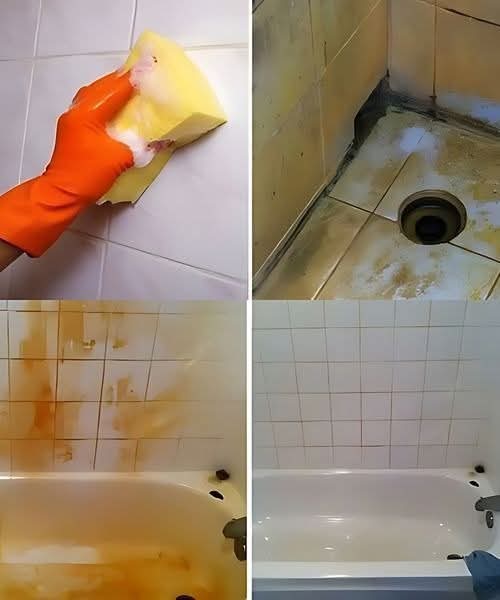
There are bathroom cleaning products that cost a fortune and are full of harsh chemicals, and then there is this simple, natural, homemade trick that actually works. Soap scum and hard water stones (those ugly white, crusty deposits) build up on bathroom tiles over time, making your beautiful shower or backsplash look dull and dirty. Scrubbing with regular cleaners often feels like a losing battle. But with just a few common household ingredients – apple cider vinegar, baking soda, dishwashing detergent, toothpaste, and lemon juice – you can create a powerful, non‑toxic paste that cuts through soap scum and dissolves mineral deposits like magic. If you are searching for a homemade bathroom tile cleaner that is effective, cheap, and safe, this is the trick you need to try.
This natural cleaning solution is gentle enough for regular use but tough enough to tackle even stubborn buildup. It uses the acidic power of vinegar and lemon juice to break down alkaline soap scum and hard water minerals, while baking soda provides gentle abrasion, dish soap cuts grease, and toothpaste adds extra polishing power. A simple sponge is all you need to apply it. This DIY tile cleaner for soap scum will restore the shine to your bathroom tiles.
In this complete guide, you will learn how to make and apply this homemade cleaning paste, step by step, including pro tips for the best results, safety precautions, and why each ingredient works. Let’s get those tiles sparkling.
Why Soap Scum and Hard Water Stains Are So Stubborn
Soap scum is a white, greasy residue that forms when the fats in soap combine with minerals in hard water (calcium and magnesium). It sticks to tile, glass, and grout, and over time, it becomes hard and crusty. Hard water stains (often called “limescale” or “water stones”) are white, chalky deposits left behind when water evaporates, leaving minerals like calcium carbonate on surfaces. Together, they create an ugly, rough film that regular all‑purpose cleaners often fail to remove. This homemade paste uses a combination of acidic and abrasive ingredients to break down both types of buildup. This is a natural hard water stain remover that works safely on ceramic tile.
Why This Homemade Cleaner Works – The Science Behind the Ingredients
Each ingredient plays a specific role in this powerful cleaning paste:
Apple cider vinegar – Contains acetic acid, which dissolves alkaline soap scum and breaks down mineral deposits (limescale). It also has mild antibacterial properties.
Baking soda – A mild alkali that neutralizes acids and provides gentle abrasion to scrub away stubborn residue without scratching tile. When combined with vinegar, it fizzes, helping to lift dirt.
Dishwashing detergent – Cuts through grease and soap residue, helping the paste spread and rinse away easily.
Toothpaste – Contains mild abrasives (silica) and surfactants that help polish surfaces. It also leaves a fresh scent.
Lemon juice – Citric acid is even stronger than vinegar for dissolving limescale. It also bleaches and deodorizes naturally.
Together, these ingredients create a thick, spreadable paste that clings to vertical surfaces, breaks down buildup, and rinses clean. This is a chemical‑free tile cleaning solution that is safe for most bathroom tiles (avoid on natural stone like marble or unsealed grout – test first).
The Complete Homemade Bathroom Tile Cleaner Recipe
This recipe makes enough paste for one medium‑sized shower or tub surround. Double or triple as needed.
Ingredients:
2 tablespoons apple cider vinegar (white vinegar also works)
2 tablespoons baking soda
1 tablespoon dishwashing detergent (blue Dawn or similar grease‑cutting formula works best)
2 tablespoons toothpaste (any white, non‑gel toothpaste – not whitening gel)
Juice of half a lemon (about 1–2 tablespoons)
A sponge (non‑scratch for delicate tiles, or a scrub sponge for stubborn areas)
Equipment:
- Small bowl or container (non‑metal, as vinegar can react with some metals)
- Spoon or spatula for mixing
- Rubber gloves (optional, to protect hands)
- Spray bottle with water (for rinsing)
- Microfiber cloth or squeegee for drying
Step‑by‑Step Instructions to Clean Bathroom Tiles
Step 1 – Prepare the Paste
In a small non‑metal bowl, combine the baking soda and dishwashing detergent first, stirring to form a thick base. Add the apple cider vinegar and lemon juice – expect fizzing (this is normal). Stir continuously until the fizzing subsides. Then add the toothpaste and mix until you have a smooth, spreadable paste. The consistency should be similar to thick yogurt – not too runny, not too dry. If it is too thin, add a little more baking soda; if too thick, add a drop of vinegar or lemon juice.
Step 2 – Apply the Paste to the Tiles
Using your sponge or a soft cloth, scoop up a generous amount of the paste and spread it over the soap scum and hard water stains. Focus on the worst areas. Let the paste sit for 5‑10 minutes. This dwell time allows the acids to break down the minerals and soap residue. Do not let it dry completely – if it starts to dry, spritz lightly with water.
Step 3 – Scrub Gently
Using the sponge (scrub side for stubborn stains, soft side for delicate tiles), scrub the tiles in circular motions. You will see the paste turn slightly gray or brown as it lifts dirt. Pay extra attention to corners, edges, and grout lines. For heavy buildup, let the paste sit longer and scrub a bit more firmly. Avoid using metal brushes or abrasive pads that could scratch your tile.
Step 4 – Rinse Thoroughly
Rinse the tiles well with clean water. You can use a spray bottle with plain water or a wet sponge. Wipe away all residue. The tiles should feel smooth and look shiny. Dry with a microfiber cloth or squeegee to prevent new water spots from forming.
Step 5 – Admire Your Sparkling Tiles
Repeat on any remaining areas. For heavily neglected tiles, you may need to apply the paste twice. Once clean, maintain by wiping down tiles after showers and applying this paste once a month.
Want the full truth and the practical next steps?
Page 2 continues with the real explanation, the key details many readers skip, and the simple takeaways that make this guide more useful.