

Can rosemary really relieve pain like morphine? We separate fact from fiction. Learn how rosemary’s anti‑inflammatory compounds work, safe tea and oil recipes, and when to see a doctor.
Let’s be honest: the internet loves a good miracle cure. “Rosemary is natural morphine!” “One herb kills pain better than drugs!” These claims are designed to go viral – and they do, because who wouldn’t want a backyard herb to replace prescription painkillers?
But here’s the real truth: rosemary is a wonderful, useful herb with genuine anti‑inflammatory and circulation‑boosting properties. It can help with mild muscle soreness, joint stiffness, and tension headaches. It has been used in traditional medicine for centuries. And modern science has identified active compounds like rosmarinic acid and carnosic acid that do, in fact, reduce inflammation at a cellular level.
However, rosemary is not morphine. It will not stop severe pain from kidney stones, broken bones, or advanced arthritis. It will not replace your prescribed medications. And if anyone tells you otherwise, they are either misinformed or trying to sell you something.
In this guide, I’ll give you an honest, science‑backed look at what rosemary can and cannot do for pain. You’ll learn how to use it safely (internally and externally), what the research actually says, and – most importantly – when you need to see a doctor instead of relying on herbs.
Let’s separate the viral hype from the healing reality.
What’s in Rosemary? The Active Compounds Explained
Rosemary (Salvia rosmarinus, formerly Rosmarinus officinalis) is more than just a fragrant garnish for roasted chicken. Its leaves contain a complex blend of phytochemicals that have been studied for their medicinal properties.
Rosmarinic Acid
This is the star compound. Rosmarinic acid is a polyphenol with potent antioxidant and anti‑inflammatory effects. Studies show it can inhibit inflammatory enzymes (like COX‑2 and lipoxygenase) – the same pathways targeted by some over‑the‑counter pain relievers, but gentler.
Carnosic Acid
Another powerful antioxidant. Carnosic acid has been shown to protect brain cells from oxidative stress and may have neuroprotective properties. It also contributes to rosemary’s ability to improve circulation.
Essential Oils (1,8‑Cineole, Camphor, α‑Pinene)
These volatile compounds give rosemary its distinctive pine‑like aroma. Camphor, in particular, has mild analgesic and counterirritant effects – it creates a warming or cooling sensation that distracts the brain from deeper pain signals.
Flavonoids (Luteolin, Apigenin, Diosmin)
These plant compounds support blood vessel health and reduce capillary permeability, which can help with swelling and fluid retention in stiff joints.
What this means for pain: These compounds work together to reduce inflammation at a cellular level, improve blood flow to sore tissues, and provide mild muscle relaxation. That’s real – but it’s subtle. Think “gentle relief after a workout,” not “emergency room pain killer.”
What Rosemary Can Actually Do (And What It Can’t)
Let’s be clear. Based on current research and traditional use:
✅ Supported Uses (Mild to Moderate)
· Muscle soreness after exercise – Topical rosemary oil increases local circulation, helping clear metabolic waste.
· Joint stiffness from mild osteoarthritis – Anti‑inflammatory compounds may reduce morning stiffness.
· Tension headaches – When massaged into temples and neck (diluted), rosemary’s camphor can relax tight muscles.
· Minor arthritic discomfort – Not a cure, but may complement other treatments.
· Poor circulation related pain – Rosemary’s vasodilatory effects can improve blood flow to cold hands and feet.
❌ What Rosemary Does NOT Do
· Does NOT act like morphine – Morphine binds to opioid receptors in the brain to block severe pain signals. Rosemary has no such mechanism.
· Does NOT replace prescription pain medication – For post‑surgical pain, fractures, or severe arthritis, you need real medicine.
· Does NOT cure gout, rheumatoid arthritis, or fibromyalgia – It may help symptoms, but it does not treat the underlying disease.
· Does NOT work in minutes – Effects are gradual and mild, building over hours or days of consistent use.
The bottom line: Think of rosemary as a gentle helper, not a heavy lifter.
The “Natural Morphine” Claim – Why It’s Misleading
The nickname “natural morphine” is pure internet exaggeration. It likely started because both rosemary and morphine can cause a sense of relaxation – but through completely different mechanisms.
Morphine is an opioid alkaloid derived from the poppy plant. It works by binding to mu‑opioid receptors in the central nervous system, blocking pain signals and producing euphoria. It is highly addictive and strictly regulated.
Rosemary contains no opioid compounds. Its mild pain relief comes from:
· Reducing inflammation (not blocking pain signals directly)
· Improving circulation (helping tissues heal faster)
· Relaxing muscles (easing tension‑related discomfort)
Calling rosemary “natural morphine” is like calling a cup of chamomile tea “natural Valium.” It’s misleading and potentially dangerous if someone with severe pain abandons their medication for an herb that cannot help them.
If you see a headline claiming rosemary is “nature’s morphine,” close the tab. It’s clickbait, not science.
How to Use Rosemary for Pain Relief – Safe Methods
Rosemary works better on the outside than the inside for pain relief. Let’s cover both methods.
Method 1: Rosemary Tea (Internal, Mild Effects)
Drinking rosemary tea can provide gentle systemic anti‑inflammatory support, but don’t expect dramatic pain relief. It’s more of a relaxing, digestive‑soothing beverage that may help with tension.
Simple Rosemary Tea Recipe
Ingredients:
· 1 teaspoon fresh rosemary leaves (or ½ teaspoon dried)
· 1 cup hot water (not boiling – 200°F / 93°C is ideal)
· Optional: lemon slice, honey to taste
Instructions:
- Place rosemary in a mug or teapot.
- Pour hot water over the herb.
- Cover and steep for 5–10 minutes (longer = stronger, but also more bitter).
- Strain out the leaves.
- Add lemon or honey if desired.
How much to drink: 1–2 cups per day. Do not exceed 3 cups – large amounts can cause stomach upset or interact with medications.
When to drink: In the evening for relaxation, or after a meal to aid digestion (rosemary is traditionally used for bloating).
Method 2: Rosemary Oil Massage (External, More Effective)
This is the real winner for muscle and joint pain. Topical application delivers the active compounds directly to the sore area, bypassing the digestive system.
Rosemary Oil Massage Blend
Ingredients:
· 5–10 drops rosemary essential oil (look for 100% pure, therapeutic grade)
· 2 tablespoons carrier oil (olive, jojoba, sweet almond, or fractionated coconut oil)
Instructions:
- Mix the essential oil into the carrier oil in a small glass bowl or bottle.
- Test a small drop on your inner arm – wait 15 minutes for any skin reaction.
- Massage the oil blend into sore muscles, stiff joints, or tense shoulders.
- Use gentle, firm strokes for 3–5 minutes.
- Wash hands thoroughly after application (rosemary oil can sting eyes).
Frequency: Up to 3 times daily as needed.
Note: Do not use undiluted essential oil directly on skin – it can cause chemical burns.
Method 3: Rosemary Compress (For Joint Stiffness)
Instructions:
- Make a strong rosemary tea (2 tablespoons dried rosemary in 2 cups water, steep 15 minutes).
- Strain and let cool to a comfortable warm temperature.
- Soak a clean cloth in the liquid, wring lightly.
- Apply to stiff knees, hands, or lower back for 10–15 minutes.
This combines the anti‑inflammatory compounds with moist heat for deeper muscle relaxation.
Why People Feel Relief – The Real Mechanisms
If rosemary isn’t morphine, why do so many people swear by it? The relief is real – but it comes from several factors working together.
- Anti‑Inflammatory Action (Cellular Level)
Rosmarinic acid inhibits the production of pro‑inflammatory cytokines (like TNF‑α and IL‑6). A 2015 study found that rosmarinic acid reduced inflammation in animal models of arthritis. This effect is gradual – not immediate – but consistent use can lower baseline inflammation.
- Improved Blood Circulation
Rosemary is a mild vasodilator – it widens blood vessels slightly, allowing more oxygen and nutrients to reach sore tissues. Better circulation also helps clear out metabolic waste (like lactic acid) that contributes to muscle soreness.
- Counterirritant Effect (Camphor)
Camphor in rosemary oil creates a cooling or warming sensation on the skin. This stimulates nerve endings that “compete” with deeper pain signals, a phenomenon called the gate control theory of pain. It’s the same reason menthol rubs work for sore muscles.
- Muscle Relaxation
The aromatic compounds in rosemary have mild antispasmodic effects, helping tight, knotted muscles release. This is especially helpful for tension headaches and back pain.
- The Ritual & Placebo Effect
Let’s not dismiss this. Taking time to make tea, massage oil into your own sore body, and breathe deeply – that act of self‑care reduces stress hormones (cortisol), which themselves contribute to pain perception. Even if part of the relief is psychological, it’s still relief.
Combined effect: These mechanisms add up to a noticeable, but mild, reduction in discomfort – especially for chronic, low‑grade pain.
What the Science Actually Says
Let’s look at the evidence without exaggeration.
Study Finding Strength of Evidence
2011 animal study, rosmarinic acid Reduced arthritis swelling in rats Moderate (animal model)
2013 human trial, rosemary oil massage Improved pain scores in patients with osteoarthritis of the knee compared to placebo Moderate (small study, n=60)
2016 review of essential oils Rosemary oil effective for musculoskeletal pain when used in massage Low to moderate (mostly small studies)
2018 study, inhaled rosemary aroma Reduced cortisol levels and improved mood (indirectly reducing pain perception) Moderate
What’s missing: Large, double‑blind, placebo‑controlled human trials specifically for rosemary and chronic pain. Most evidence is from traditional use, small studies, or animal models.
Conclusion: Rosemary has genuine biological activity. It’s not a pharmaceutical, but it’s not “just a placebo” either. For mild pain, it’s a reasonable complementary approach.
Safety Precautions & Who Should Be Careful
Rosemary is generally safe in culinary amounts and short‑term topical use. However, there are important precautions.
Do NOT Use Rosemary (or use only under medical supervision) If:
· Pregnant or breastfeeding – Large amounts of rosemary (especially the essential oil or supplements) can stimulate uterine contractions. Small culinary amounts in food are fine, but avoid medicinal doses.
· Have high blood pressure – Rosemary can raise blood pressure in some people (it’s a mild stimulant). Monitor your levels if using regularly.
· Take blood thinners (warfarin, aspirin, clopidogrel) – Rosemary may slow blood clotting. Combined with medications, it could increase bleeding risk.
· Take lithium or diabetes medications – Rosemary can affect how these drugs are processed by the kidneys.
· Have a seizure disorder – Camphor in rosemary oil can trigger seizures in susceptible individuals when used in large amounts.
Side Effects to Watch For
· Internal (tea/supplements): Stomach upset, nausea, vomiting (with excessive amounts, >4 cups tea daily)
· Topical (oil): Skin irritation, redness, allergic contact dermatitis (always do a patch test)
· Inhaled: Headache, dizziness (rare, usually with very strong concentrations)
Safe Usage Limits
· Tea: 1–2 cups per day, no more than 3
· Essential oil (topical): 5–10 drops per 2 tbsp carrier oil, max 3 applications/day
· Do NOT ingest essential oil – It is highly concentrated and can be toxic.
What Actually Works Better for Joint & Muscle Pain
If you have mild to moderate pain, rosemary can be part of a solution – but it should never be the only solution. Here’s what actually works, according to evidence‑based medicine.
- Gentle Movement (Exercise)
For osteoarthritis and chronic muscle pain, movement is medicine. Walking, swimming, stretching, and yoga improve blood flow, maintain joint mobility, and strengthen supporting muscles. Rest makes pain worse in the long run.
- Proper Hydration
Dehydration thickens synovial fluid (joint lubricant) and increases muscle cramping. Drink water throughout the day – at least 8 cups for most adults.
- Anti‑Inflammatory Diet
Focus on whole foods: fatty fish (omega‑3s), leafy greens, berries, nuts, and olive oil. Reduce processed foods, sugar, and refined seed oils – these promote inflammation.
- Over‑the‑Counter Options
· Topical NSAIDs (diclofenac gel): Proven effective for arthritis pain
· Capsaicin cream: Derived from chili peppers, depletes substance P (a pain neurotransmitter)
· Menthol/ camphor rubs (like Biofreeze, Tiger Balm): Similar counterirritant effect to rosemary, often stronger
- Prescription Medications (When Needed)
· NSAIDs (ibuprofen, naproxen): For moderate inflammation
· Muscle relaxants: For severe spasms (short‑term)
· Opioids: Only for severe, acute pain or end‑of‑life care – not for chronic pain
- Physical Therapy & Manual Therapy
A physical therapist can design a stretching/strengthening program. Massage therapy (professional) is more powerful than home massage.
- Mind‑Body Approaches
Cognitive behavioral therapy (CBT), meditation, and deep breathing reduce pain perception by lowering stress and changing pain processing in the brain.
Rosemary fits here as a complementary tool – alongside these evidence‑based strategies, not instead of them.
Frequently Asked Questions (FAQs)
Q: Can rosemary oil be taken internally for pain?
No. Never ingest rosemary essential oil. It is highly concentrated and can cause vomiting, kidney damage, seizures, or worse. Stick to rosemary tea (dried or fresh leaves) for internal use.
Q: How long does it take for rosemary tea to work for pain?
It’s not a fast‑acting painkiller. With regular daily use (1–2 cups), you may notice mild improvement in baseline inflammation and stiffness after 1–2 weeks. For acute pain, topical oil massage works within 15–30 minutes.
Q: Can I use fresh rosemary from my garden for oil?
Yes, but you need to infuse it properly. Chop fresh leaves, cover with carrier oil in a jar, and let sit in a sunny windowsill for 2 weeks. Strain. This is milder than essential oil – you can use it undiluted. However, essential oil (steam‑distilled) is more potent and consistent.
Q: Is rosemary safe for dogs or cats for pain?
No. Rosemary essential oil is toxic to cats and can cause neurological issues. Dried rosemary in small amounts in food is generally safe, but do not apply oils to pets without veterinary guidance.
Q: Can I combine rosemary with other herbs for pain?
Yes. Rosemary blends well with:
· Peppermint: Cooling effect, good for headaches
· Lavender: Calming, reduces stress‑related muscle tension
· Ginger: Warming, anti‑inflammatory
· Turmeric: Potent anti‑inflammatory (take internally, not topically with rosemary oil)
Q: Why do some rosemary products say “not for therapeutic use”?
Because the FDA does not regulate herbs as drugs. Manufacturers include that disclaimer to avoid legal liability. It doesn’t mean the herb is useless – just that they can’t make medical claims.
Q: Can rosemary help with nerve pain (neuropathy)?
There’s no strong evidence. Some people report mild relief from topical application due to improved circulation and counterirritation, but neuropathy usually requires medications like gabapentin or pregabalin. Talk to your doctor.
Q: Is rosemary safe to use every day?
For most people, yes – in moderate amounts (1–2 cups tea or topical oil 1‑2x daily). Take a break for a week every 2–3 months to prevent potential sensitization.
The Bottom Line – Honest Advice
Rosemary is a lovely, useful herb with real anti‑inflammatory and circulation‑boosting properties. It can help with:
· Mild muscle soreness after gardening or a workout
· Morning stiffness in arthritic joints
· Tension headaches (when massaged into the neck)
· General relaxation and stress reduction
It is not a replacement for medical treatment. It is not morphine. It will not stop severe pain from a broken bone, kidney stone, or herniated disc.
If you have persistent or worsening pain, see a doctor. Get a proper diagnosis. Follow the treatment plan they prescribe. Use rosemary as a gentle, complementary addition – not as a desperate substitute for real medicine.
And please, if you see a viral post calling rosemary “natural morphine,” scroll past. Your health is too important to gamble on internet hype.
Now it’s your turn! Have you tried rosemary for muscle or joint pain? Did you use tea, oil, or something else? Share your experience in the comments below – I’d love to hear what worked (or didn’t work) for you.
And if you found this guide helpful, share it with a friend who’s been tempted by the “natural morphine” claims. Pin it for later, and subscribe to our newsletter for more evidence‑based herbal deep dives.
Stay informed, stay safe, and let real science guide your wellness journey. 🌿💚
Liked this article? Check out our other myth‑busting herb guides: “Garlic for Parasites – What You Really Need to Know,” “Turmeric vs. Curcumin Supplements,” and “Essential Oils for Pain – Do They Actually Work?”
More Recipes You Might Like
-

This Vitamin Really the Cause of Your Leg and Bone Pain
If you’ve been scrolling through social media, you might have seen a post claiming that a specific vitamin found in cloves is the hidden cause of your leg and bone pain. The image often shows a pile of cloves, a bowl of ground spice, and a caption promising that this is “the vitamin your body…
-
Proven Health Benefits of Beets and Fermented Beets
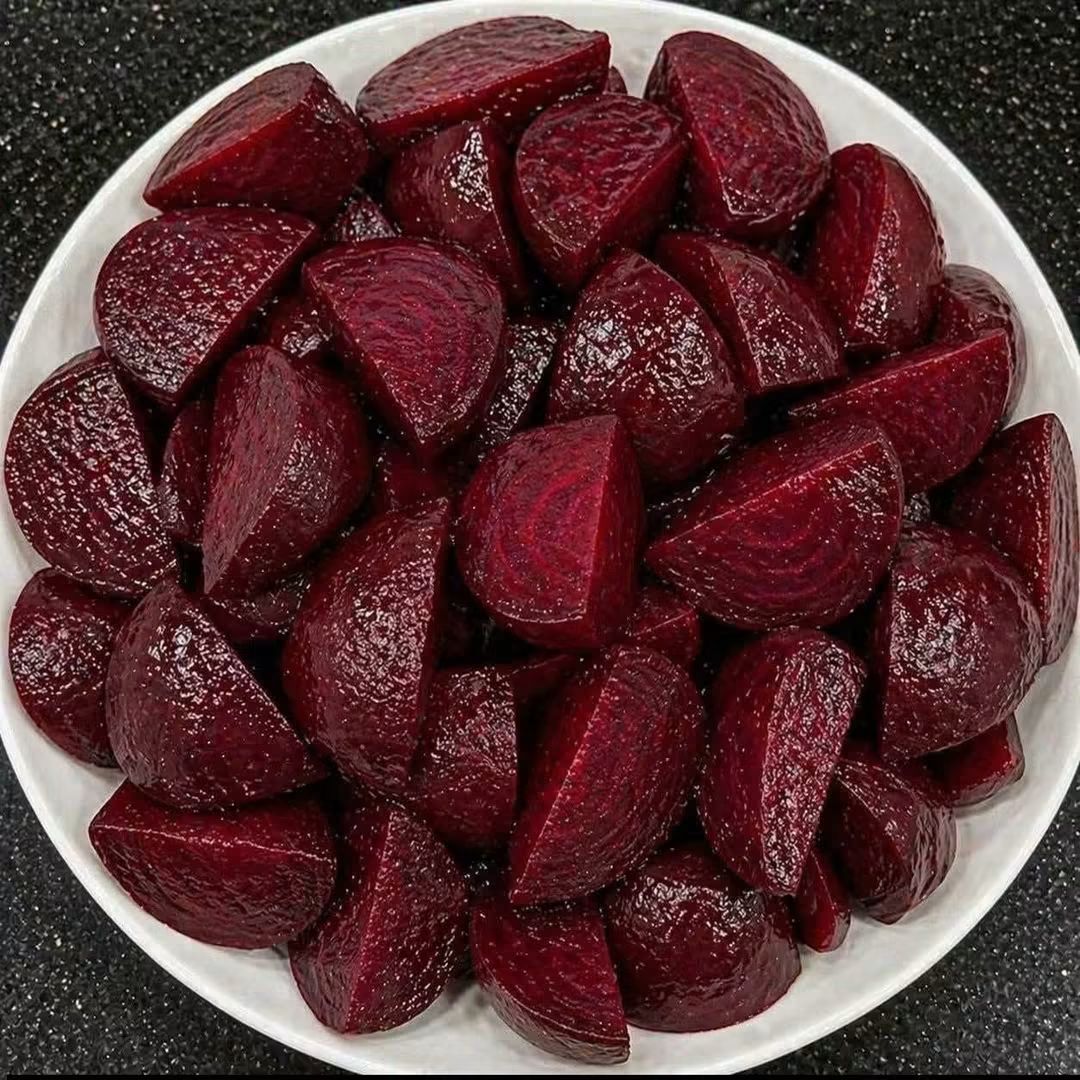
Beets are one of nature’s most vibrant and nutrient-dense root vegetables. With their deep ruby-red color and earthy sweetness, they’ve earned a well-deserved reputation as a functional food with an impressive array of health benefits. But did you know that fermenting beets can unlock even more nutritional power? This article explores the science-backed benefits of…
-

How to Make Aloe Vera Oil for Faster Hair Growth and to Stop Hair Loss
If you’re looking for a natural, powerful remedy to encourage thicker, healthier hair, aloe vera oil is about to become your new best friend. Aloe vera has been used for centuries for its incredible moisturizing and healing properties, and when infused into a nourishing carrier oil, it becomes a potent treatment for the scalp and…