
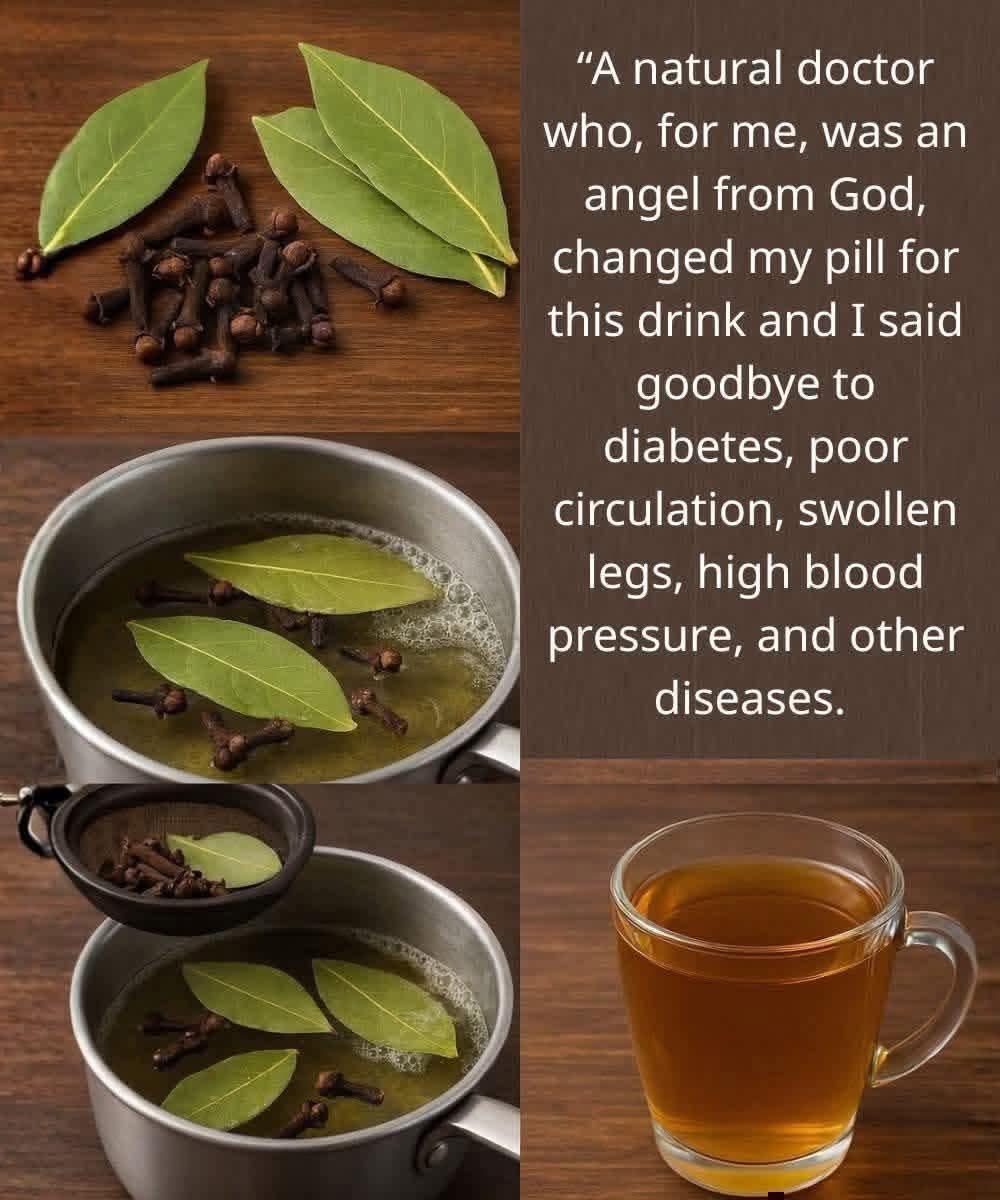
Bay leaf and clove tea is praised for blood sugar support, digestion, and antioxidants. We separate science from hype, share a safe recipe, and explain what it can and cannot do.
Let’s be honest: natural remedies have become incredibly popular as people look for simple, affordable ways to support their health. Among them, one humble herbal drink – made with nothing more than bay leaves, cloves, and water – has gained surprising attention.
You may have seen stories claiming it can “manage blood sugar,” “improve circulation,” or even “support overall health naturally.” Some of these statements are exaggerated. Others are outright misleading. But here’s the truth: this simple tea does contain powerful natural compounds that can support your body in meaningful, measurable ways – when used correctly and with realistic expectations.
In this guide, we’ll explore what bay leaf and clove tea really is, what the science says it can and cannot do, how to prepare it safely at home, and – most importantly – when to rely on real medicine instead of home remedies.
Let’s steep a cup of truth.
What This Herbal Drink?
This drink is a simple infusion made from two common kitchen spices:
· Bay leaves (Laurus nobilis or bay laurel) – dried or fresh leaves from the bay tree, used for centuries in cooking and traditional medicine.
· Cloves (Syzygium aromaticum) – dried flower buds known for their intense aroma, numbing properties, and medicinal uses.
· Water – as the base.
Sometimes people add honey (for sweetness) or lemon (for freshness), but the core recipe is just bay leaves, cloves, and hot water.
This tea has been used in traditional practices for generations, particularly in Caribbean, Latin American, and Asian folk medicine. It’s often recommended for digestive complaints, colds, and as a general “tonic.”
But traditional use does not equal scientific proof. Let’s look at what the research actually says.
Why People Are Interested in This Drink
The viral popularity of bay leaf and clove tea comes from three factors:
✔ Simple Ingredients
Both bay leaves and cloves are common kitchen spices. You probably already have them in your pantry.
✔ Easy Preparation
No complicated equipment. No expensive supplements. Just boil, steep, strain, and drink.
✔ Natural Appeal
Many people prefer plant‑based options to support their daily health, especially as an alternative to heavily processed or chemical‑laden products.
However, the viral claims often cross the line into exaggeration. Understanding the reality is key to using this tea safely.
Understanding the Reality First (No Hype)
Before we talk about benefits, let’s be very clear:
👉 This drink does NOT replace medication.
👉 It does NOT cure diseases like diabetes, high blood pressure, or arthritis.
👉 It does NOT “heal everything.”
These claims are misleading and potentially dangerous if someone stops their prescribed treatment.
However, this tea can support overall wellness when used alongside a healthy lifestyle. Think of it as a small helper – not a hero.
Real Benefits of Bay Leaves and Cloves (Science‑Backed)
Let’s break down each potential benefit with an honest look at the evidence.
💪 1. Supports Digestion (Strongest Evidence)
How it works: Bay leaves contain compounds that can help settle the stomach, reduce bloating, and relieve gas. Cloves have been used traditionally for indigestion and nausea.
What the research shows:
· Bay leaf extract has been shown in animal studies to protect the gastric lining and reduce stomach ulcers.
· Clove oil (eugenol) has been studied for its ability to reduce gastric spasms and improve digestion.
· Human evidence is limited, but traditional use is extensive.
Realistic expectation: Drinking bay leaf and clove tea after a heavy meal may help reduce bloating and discomfort. It is not a treatment for IBS, GERD, or ulcers.
❤️ 2. May Support Heart Health (Limited Evidence)
How it works: Cloves are rich in eugenol, a compound with anti‑inflammatory and antioxidant properties. Bay leaves contain caffeic acid, quercetin, and other flavonoids that may support cardiovascular function.
What the research shows:
· A small study on people with type 2 diabetes found that consuming 1–3 grams of bay leaf powder per day for 30 days reduced LDL (“bad”) cholesterol and triglycerides while increasing HDL (“good”) cholesterol.
· Clove extract has been shown in animal studies to improve blood pressure and heart function.
· Human trials are very limited.
Realistic expectation: This tea may offer modest, supportive benefits for heart health as part of a balanced diet. It is not a replacement for statins, blood pressure medication, or lifestyle changes.
🩸 3. Helps Support Blood Sugar Balance (Moderate Evidence)
How it works: Bay leaves contain polyphenols that may improve insulin sensitivity and slow the absorption of glucose.
What the research shows:
· A 2009 study published in the Journal of Clinical Biochemistry and Nutrition found that bay leaf consumption (1–3 grams per day for 30 days) reduced fasting blood glucose, total cholesterol, and triglycerides in people with type 2 diabetes.
· Cloves have also been shown in animal studies to improve insulin secretion and lower blood sugar.
· These effects are modest – not comparable to diabetes medications.
Realistic expectation: Bay leaf and clove tea may help with mild blood sugar support, especially when consumed alongside a low‑glycemic diet. It is not a treatment for diabetes. Do not stop your insulin or metformin.
🌿 4. Rich in Antioxidants (Strong Evidence)
How it works: Both bay leaves and cloves are packed with polyphenols, flavonoids, and other antioxidant compounds that neutralize free radicals.
What the research shows: Cloves have one of the highest ORAC (Oxygen Radical Absorbance Capacity) scores of any spice – meaning they are exceptionally rich in antioxidants. Bay leaves also rank highly.
Realistic expectation: Regular consumption of antioxidant‑rich foods and drinks supports long‑term health by reducing oxidative stress, which is linked to aging and chronic disease. This tea can be a valuable part of an antioxidant‑rich diet.
😌 5. Anti‑Inflammatory Properties (Moderate Evidence)
How it works: Eugenol (in cloves) and parthenolide (in bay leaves) have been shown to inhibit inflammatory pathways.
What the research shows:
· Clove oil has been used in dentistry for its numbing and anti‑inflammatory effects.
· Bay leaf extract has demonstrated anti‑inflammatory activity in animal studies.
Realistic expectation: This tea may help with mild, everyday inflammation (like muscle soreness or minor joint stiffness). It is not a treatment for rheumatoid arthritis, gout, or other inflammatory diseases.
How to Make This Herbal Drink (Safe Recipe)
Prep time: 2 minutes
Steep/simmer time: 10–15 minutes
Yield: 1–2 cups
Ingredients
Ingredient Amount Notes
Dried bay leaves 3–4 Fresh also work, but dried are more potent
Whole cloves 4–5 Do not use ground cloves (too strong, bitter)
Water 2 cups Filtered
Honey (optional) 1 tsp For sweetness
Lemon (optional) 1 slice For freshness
Instructions
- Bring water to a boil – Use a small saucepan.
- Add bay leaves and cloves – Reduce heat to low.
- Simmer for 10–15 minutes – Do not boil vigorously; gentle simmer extracts the compounds without bitterness.
- Strain – Pour through a fine‑mesh strainer into a mug. Discard leaves and cloves.
- Add honey or lemon if desired – Stir and enjoy.
Dosage and Timing
· Standard dose: 1 cup per day.
· Best time: Morning on an empty stomach (for digestion/blood sugar) or evening for relaxation.
· Duration: You can drink it daily for 2–3 weeks, then take a 1‑week break.
Storage
Store leftover tea in a sealed glass jar in the refrigerator for up to 2 days. Reheat gently on the stovetop or in the microwave.
What This Drink Does NOT Do (Important Reality Check)
False Claim Reality
Cures diabetes No. It may offer modest blood sugar support, but it is not a treatment.
Eliminates high blood pressure No. It may have mild effects, but it does not replace medication.
Replaces medical treatment No. Never stop prescribed medications without consulting your doctor.
“Heals everything” No. No single food or drink can do that.
Works instantly No. Natural remedies work gradually, if at all.
How to Use It Properly – For Best Results
To get the most benefit from this tea:
- Drink 1 cup per day – More is not better. Excessive cloves can cause liver irritation; excessive bay leaves can cause digestive upset.
- Use it as a supplement, not a replacement – Continue your prescribed medications and doctor‑recommended lifestyle changes.
- Combine with healthy habits – No tea can outrun a poor diet, lack of exercise, or chronic stress.
What Actually Works for Blood Sugar, Heart Health, and Digestion
Condition Evidence‑Based Approach
Type 2 diabetes Monitor blood sugar; follow a carbohydrate‑consistent diet; exercise; take metformin or insulin as prescribed.
High blood pressure DASH diet; reduce sodium (<2,300 mg/day); exercise 150 min/week; take ACE inhibitors or ARBs if needed.
Poor digestion Eat fiber‑rich foods; stay hydrated; manage stress; identify trigger foods (FODMAPs, dairy, gluten).
Bay leaf and clove tea can be a small add‑on to these strategies – not a replacement.
Important Safety Precautions – Who Should Be Careful
This drink is generally safe for most healthy adults in moderate amounts. However, certain people should avoid it or consult a doctor first.
⚠️ Do Not Use (or Consult a Doctor) If:
Condition Reason
Pregnancy or breastfeeding Bay leaves in large amounts may stimulate uterine contractions; clove oil safety is unknown. Stick to culinary amounts.
Bleeding disorders or on blood thinners (warfarin, apixaban, clopidogrel, high‑dose aspirin) Cloves contain eugenol, which can slow blood clotting and increase bleeding risk.
Diabetes medication (insulin, metformin, sulfonylureas) Both bay leaves and cloves may lower blood sugar. Combined, they could cause hypoglycemia (shaking, sweating, confusion). Monitor closely.
Low blood pressure Cloves may lower BP further, causing dizziness or fainting.
Liver disease Excessive clove oil (not tea) has been linked to liver toxicity. Tea in moderation is likely safe, but consult your doctor.
Allergy to any ingredient Rare but possible.
General Safety Tips
· Start small – Drink ½ cup first to see how your body reacts.
· Do not overdo it – 1 cup per day is plenty. Drinking quarts of this tea can cause stomach upset, nausea, or more serious effects.
· Do not chew whole cloves – They are very strong and can burn the mouth.
· Do not use clove oil internally – Essential oil of clove is highly concentrated and toxic in small amounts. Use only whole cloves for tea.
Common Mistakes to Avoid
Mistake Why It’s a Problem Correct Approach
Drinking too much Can cause stomach upset, liver irritation, or bleeding risk Stick to 1 cup per day
Expecting instant results Natural remedies work slowly Use consistently for weeks to notice subtle effects
Stopping medication Dangerous – can lead to stroke, heart attack, or diabetic coma Continue prescribed meds; talk to your doctor before adding any herb
Using ground cloves Too strong, bitter, and difficult to strain Use whole cloves
Boiling for too long Makes tea bitter and destroys some beneficial compounds Simmer only 10–15 minutes
Reusing bay leaves or cloves They lose potency after one use Use fresh each time
Delicious Variations – Make It Your Own
Once you’ve mastered the basic recipe, try these additions:
Cinnamon & Bay Leaf Tea
Add 1 cinnamon stick along with the bay leaves and cloves. Cinnamon adds sweetness and may further support blood sugar.
Ginger & Clove Tea
Add 1 inch of fresh ginger (sliced). Ginger adds warmth and aids digestion.
Lemon & Honey
Add 1 slice of lemon and 1 tsp of honey after straining. This is the most palatable version for beginners.
“Chai” Style
Add a star anise, a cardamom pod, and a cinnamon stick. Simmer with the bay leaves and cloves. Add milk and honey for a caffeine‑free herbal chai.
Iced Version
Double the recipe, chill in the refrigerator, and serve over ice with lemon slices. Perfect for summer.
Frequently Asked Questions (FAQs)
Q: Can I drink bay leaf and clove tea every day?
Yes – 1 cup per day for 2–3 weeks is safe for most healthy adults. Take a 1‑week break before starting another cycle.
Q: Can it help with weight loss?
Indirectly, maybe. It may support digestion and metabolism very slightly, but it is not a weight‑loss solution. Sustainable weight loss requires a calorie deficit.
Q: Can I use fresh bay leaves instead of dried?
Yes. Use 2–3 fresh bay leaves (they are milder). Crush them slightly to release oils.
Q: Can I store this tea for later?
Yes – refrigerate for up to 2 days. Reheat gently. Do not store at room temperature.
Q: Is this tea safe for children?
Small amounts (¼–½ cup) for children over 5 are likely safe. Skip the honey for children under 1 (botulism risk). Consult a pediatrician.
Q: Can I take this tea with my diabetes medication?
Possible, but monitor your blood sugar closely. Both the tea and your medication can lower glucose. Watch for signs of hypoglycemia. Tell your doctor.
Q: How long does it take to notice any effects?
Digestive benefits may be felt within an hour. Blood sugar or cholesterol effects, if any, would take weeks of consistent use.
Q: Can I use this tea for a sore throat or cough?
Traditionally, yes. The warm liquid soothes the throat, and cloves have mild numbing properties. However, honey is more effective for coughs.
The Bottom Line – Enjoy the Tea, Respect Its Limits
The simple herbal drink made with bay leaves and cloves is not a miracle cure. It will not reverse diabetes, eliminate high blood pressure, or replace your medication. But it is a warm, comforting, antioxidant‑rich tea that may offer modest support for digestion, blood sugar, and inflammation.
Enjoy it for what it is – a traditional remedy with real, but limited, benefits. Use it as a small, positive addition to a healthy lifestyle that includes balanced meals, regular exercise, good sleep, and proper medical care.
Your health is too important to trust to viral claims. If you have a serious condition, see a doctor. If you want to support your body naturally, this tea can help – but only alongside, not instead of, evidence‑based treatment.
Now it’s your turn! Have you tried bay leaf and clove tea? What did you notice – better digestion, steady energy, or just a nice cup of tea? Drop a comment below – I’d love to hear your experience.
And if you found this guide helpful, share it with a friend who’s been tempted by the “natural cure” posts. Pin it for later, and subscribe to our newsletter for more evidence‑based, no‑hype health information.
Stay warm, stay curious, and trust science – not social media. 🍃🌰✨
More Recipes You Might Like
-

Natural Ways to Support Healthy Circulation and Reduce Heavy Legs And Fatigue – What Actually Works
Do your legs feel heavy, tired, or tingly? Learn natural ways to support circulation – from beetroot and berries to lifestyle changes. No miracle cures, just real, effective strategies. Let’s be honest: after a long day of sitting at a desk or standing on your feet, your legs can feel like lead. Heavy, achy, tingly,…
-
Slow Cooker 2 Ingredient Creamy Potatoes – The Easiest, Dreamiest Side Dish You’ll Ever Make
Yes – just potatoes and heavy cream. This slow cooker 2‑ingredient creamy potatoes recipe is the ultimate no‑fuss side dish. Set it and forget it for the creamiest, most delicious potatoes ever. Let’s be honest: side dishes are often an afterthought. You spend time on the main course – maybe a roast chicken, a pot…
-

Michigan Rocks Cookies – The Nostalgic Slice-and-Bake Treat Everyone Falls in Love With
Michigan Rocks cookies are buttery slice-and-bake treats packed with dried fruit and nuts. Easy make-ahead recipe, perfect for holidays, gifting, or anytime you need a taste of nostalgia. Let’s be honest: some recipes aren’t just about food – they’re about memories. The smell of something baking in the oven, the sound of laughter in the…