
Does a 13‑day hibiscus and clove drink cure diabetes, high blood pressure, or cancer? We separate fact from fiction. Learn what these ingredients really do and how to use them safely.
Let’s be honest: you’ve seen the posts. They pop up on Facebook, Pinterest, and TikTok – usually with a grainy image of a dark red drink, a caption that says “Drink it for 13 days and see what happens to your body,” and a plea to comment “OK” for the recipe. They promise everything from melting belly fat to reversing chronic disease. They go viral for a reason: they tap into our deepest hopes for a simple, natural cure.
But here’s the truth that the viral posts won’t tell you: no single drink – no matter how many cloves or hibiscus flowers you steep – can cure cancer, diabetes, or hypertension in 13 days. Those claims are not just exaggerated; they can be dangerous if they delay someone from getting real medical care.
That doesn’t mean the ingredients are worthless. Hibiscus, cloves, and warm spices have genuine health benefits – just not the miraculous ones you see in memes. In this guide, I’ll give you an honest, science‑backed look at what these ingredients can and cannot do. You’ll learn a safe, delicious version of the drink, understand why viral posts are so misleading, and – most importantly – know when to see a doctor instead of relying on a tea.
Let’s pour some truth into that cup.
What’s Actually in the “13‑Day Drink”? (And What the Science Says)
Most versions of this viral drink include three main ingredients: hibiscus, cloves, and a spicy element like chili, ginger, or black pepper. Sometimes cinnamon or lemon is added. Let’s break down each one honestly.
🌺 Hibiscus Tea (Hibiscus sabdariffa)
What it does (real evidence):
· May slightly lower blood pressure – Several studies show that drinking hibiscus tea daily (about 2–3 cups) can reduce systolic blood pressure by 5–10 points in people with mild hypertension. The effect is modest – comparable to some lifestyle changes, not medication.
· Rich in antioxidants – Hibiscus contains anthocyanins (the same compounds in blueberries) and other polyphenols that fight oxidative stress.
· Supports liver health – Some small studies suggest hibiscus extract may improve markers of fatty liver.
What it does NOT do:
· Cure hypertension – It’s a supportive measure, not a replacement for prescribed medication.
· Lower blood pressure in 13 days dramatically – Changes are gradual and mild.
· Treat heart failure or severe high blood pressure.
Bottom line: Hibiscus is a legitimately healthy tea, especially for people with mildly elevated blood pressure. But it’s not a drug.
🌿 Cloves (Syzygium aromaticum)
What it does (real evidence):
· Anti‑inflammatory properties – Cloves contain eugenol, a compound that has been shown to reduce inflammatory markers in laboratory and animal studies.
· May support digestion – Traditionally used for bloating and gas; small amounts can stimulate digestive enzymes.
· Antioxidant rich – Cloves have one of the highest ORAC scores (antioxidant measurement) of any spice.
What it does NOT do:
· Cure arthritis, cancer, or autoimmune disease.
· Work in therapeutic doses when brewed as a tea (most studies use concentrated clove extract or oil).
Bottom line: Cloves are a wonderful, flavorful spice with mild anti‑inflammatory effects. They belong in your kitchen, not your medicine cabinet.
🌶 Spices (Chili, Ginger, Black Pepper, or Cayenne)
What they do (real evidence):
· May slightly boost metabolism – Capsaicin (in chili) can increase energy expenditure by about 5–10% for a few hours. This is not enough to cause significant weight loss without other changes.
· Improve circulation slightly – Warming spices can dilate blood vessels temporarily.
· Aid digestion – Ginger, in particular, is well‑studied for reducing nausea.
What they do NOT do:
· Melt belly fat in 13 days.
· Replace exercise or a healthy diet.
· Cure metabolic syndrome.
Bottom line: Spices add flavor and very mild metabolic benefits. They are not fat‑burning miracles.
Why These Viral “13‑Day” Posts Are So Misleading
You’ve seen them. The formula is always the same:
- A dramatic before‑and‑after image (often stolen from a weight loss or medical site).
- A vague but urgent claim (“Doctors don’t want you to know this!”).
- A call to action (“Comment ‘OK’ for the recipe!”).
- No actual scientific evidence – just testimonials and anonymous “results.”
The Psychology Behind Viral Health Posts
These posts work because they combine three powerful psychological triggers:
Trigger How It’s Used
Fear Implies that serious diseases (cancer, diabetes, high blood pressure) are being hidden from you by “big pharma” or “doctors.”
Hope Offers a simple, cheap, natural solution that feels empowering.
Simplicity “Just drink this tea for 13 days” – no lifestyle changes, no doctor visits, no hard work.
This combination is incredibly effective at getting shares and comments. The poster doesn’t care if the information is accurate – they care about engagement (which boosts their account’s visibility and potential ad revenue).
The Real Danger
The problem isn’t that hibiscus and cloves are bad for you – they’re not. The problem is that someone with undiagnosed or poorly managed hypertension might skip their medication in favor of this tea. Someone with newly discovered diabetes might delay seeing a doctor. Someone with a suspicious lump might try a 13‑day cleanse instead of getting a biopsy.
Delaying real medical treatment can have serious consequences. High blood pressure that goes untreated can lead to stroke or heart attack. Uncontrolled diabetes damages kidneys, eyes, and nerves. Cancer that isn’t caught early becomes harder to treat.
👉 If a viral post claims a drink can “cure” a serious disease, close the tab. Real cures come from real medicine – not from social media.
What These Ingredients CAN Actually Do (Realistic Benefits)
Let’s be honest and practical. Here’s a clear, no‑hype summary:
Ingredient What It Actually Does What It Does NOT Do
Hibiscus May slightly lower BP (5–10 points) Cure hypertension
Cloves Anti‑inflammatory, antioxidant Cure arthritis or cancer
Chili / Cayenne Mild metabolic boost (5–10%) Melt belly fat in 13 days
Ginger Reduces nausea, aids digestion Reverse diabetes
Yes: These ingredients support general health when part of a balanced lifestyle.
No: They are not treatments for any disease.
No: Drinking them for 13 days will not transform your body.
What Actually Works for High Blood Pressure, Diabetes, and Weight?
If you’re dealing with a chronic condition, here’s what evidence‑based medicine recommends – not a 13‑day tea.
For High Blood Pressure (Hypertension)
· DASH diet (Dietary Approaches to Stop Hypertension) – proven to lower BP as effectively as some medications.
· Reduce sodium – aim for less than 2,300 mg per day (about 1 teaspoon of salt).
· Increase potassium – bananas, sweet potatoes, spinach, beans.
· Exercise – 150 minutes of moderate activity per week.
· Medication – if lifestyle changes aren’t enough, ACE inhibitors, ARBs, or calcium channel blockers are safe and effective.
For Type 2 Diabetes
· Monitor blood sugar – regular testing helps you understand what foods spike your glucose.
· Carbohydrate management – focus on complex carbs (whole grains, legumes, vegetables) and limit added sugars.
· Weight loss – even 5–10% body weight can improve insulin sensitivity dramatically.
· Medication – metformin is the first‑line treatment; others are available if needed.
· Exercise – improves insulin sensitivity for up to 24 hours after a session.
For Weight Loss
· Calorie deficit – you must burn more than you eat. No tea changes that.
· Protein and fiber – keep you full longer.
· Strength training – builds muscle, which increases resting metabolic rate.
· Consistency – over months, not 13 days.
For Cancer
· Medical oncology – surgery, chemotherapy, radiation, immunotherapy, or targeted therapy depending on the type and stage.
· Supportive care – nutrition, pain management, mental health support.
· No tea or supplement has been proven to cure cancer in humans.
A SAFE Way to Use This Drink (Enjoy It as a Healthy Tea)
You don’t have to avoid this drink entirely. In fact, a homemade hibiscus and clove tea is delicious, hydrating, and may offer mild wellness benefits – as long as you don’t expect miracles.
Simple, Honest Hibiscus Clove Tea
Ingredients:
· 2 cups water
· 2 tablespoons dried hibiscus flowers (or 2 hibiscus tea bags)
· 2–3 whole cloves
· ½ inch fresh ginger, sliced (optional)
· 1 teaspoon honey or maple syrup (optional – for sweetness)
· Squeeze of lemon (optional)
Instructions:
- Bring water to a boil.
- Add hibiscus, cloves, and ginger (if using).
- Reduce heat and simmer for 5–7 minutes. The water will turn a deep ruby red.
- Remove from heat and steep for another 5 minutes.
- Strain into a mug.
- Add honey and lemon to taste.
How to enjoy it:
· Drink 1 cup per day as a caffeine‑free alternative to coffee or black tea.
· Serve over ice for a refreshing summer drink.
· Enjoy it for its flavor and hydration – not as a treatment.
How NOT to use it:
· Don’t replace your blood pressure medication with it.
· Don’t stop monitoring your blood sugar.
· Don’t expect to see dramatic physical changes in 13 days.
Safety Precautions – Who Should Be Careful
Hibiscus and cloves are generally safe in culinary amounts (like the tea above). However, certain people should be cautious.
Hibiscus Warnings
· Lowers blood pressure – If you already take BP medication, hibiscus could cause your pressure to drop too low. Monitor closely and consult your doctor.
· Pregnancy – Hibiscus may stimulate menstruation; avoid in large amounts during pregnancy. Small amounts in food are fine, but skip medicinal tea.
· Surgery – Hibiscus may affect blood pressure during and after surgery. Stop drinking it at least 2 weeks before a planned procedure.
Clove Warnings
· Blood thinners – Cloves contain eugenol, which can slow blood clotting. If you take warfarin (Coumadin) or other anticoagulants, avoid large amounts of clove tea.
· Gastrointestinal sensitivity – Too many cloves (more than 5–6 per cup) can cause stomach upset.
General Advice
· Start small – Drink a half cup first to see how you react.
· Don’t overdo it – 1–2 cups per day is plenty. More is not better.
· Talk to your doctor – If you have any chronic condition or take regular medications, ask before adding herbal teas to your routine.
Frequently Asked Questions (FAQs)
Q: Can I drink this tea for 13 days and lose weight?
No. You may lose a pound or two of water weight (hibiscus is a mild diuretic), but not fat. Sustainable weight loss requires a calorie deficit over weeks and months.
Q: Will this tea lower my blood pressure in 13 days?
Possibly a few points. One study found that hibiscus tea lowered systolic BP by about 6 points after 6 weeks – not 13 days. It’s a mild effect, not a cure.
Q: Can I drink this if I take metformin for diabetes?
Probably yes, but monitor your blood sugar. Hibiscus can slightly lower blood sugar, and combined with metformin might cause hypoglycemia. Ask your doctor.
Q: Is it safe during pregnancy?
Large amounts of hibiscus tea are not recommended during pregnancy because they may stimulate uterine contractions. Occasional small sips are likely fine, but it’s best to avoid it. Talk to your OB/GYN.
Q: How is this different from the viral “13‑day” drink?
The viral version often claims specific disease cures. Our version makes no medical claims – it’s simply a tasty, hydrating tea with mild antioxidant benefits. The viral version is marketing; ours is reality.
Q: Can I add other spices like cinnamon or turmeric?
Absolutely. Cinnamon adds sweetness and may help with blood sugar control (in very small ways). Turmeric adds anti‑inflammatory properties. Just don’t expect miracles.
Q: Why do people comment “OK” on those posts?
It’s a tactic to boost engagement. The algorithm sees lots of comments and shows the post to more people. The poster may then send you a recipe (often copied from somewhere else) or try to sell you something. It’s a marketing funnel, not a health service.
Q: What should I do if I see a friend sharing this post?
Share this article. Gently explain that while the ingredients aren’t harmful, the claims are misleading. Offer to help them find real, evidence‑based information about their health concern.
Troubleshooting – Common Questions About the Drink Itself
Issue Likely Cause Fix
Tea is too sour Hibiscus is naturally tart Add honey, maple syrup, or stevia
Tea is too bitter Oversteeped or too many cloves Steep only 5 minutes; use 2–3 cloves max
No flavor Not enough hibiscus Use 2 tablespoons dried flowers or 2 tea bags
Stomach upset Drank on empty stomach or too many cloves Drink with food; reduce cloves to 1–2
Can’t sleep Unlikely – hibiscus is caffeine‑free Check if you added another caffeinated ingredient
The Bottom Line – Honest Advice
The viral “13‑day drink” is a classic example of internet health misinformation. It takes harmless, everyday ingredients – hibiscus, cloves, spices – and inflates their effects into miracle cures. The goal isn’t your health; it’s engagement, shares, and sometimes selling you something.
Here’s the truth:
· Hibiscus tea is a healthy, hydrating beverage that may slightly lower blood pressure over time.
· Cloves have anti‑inflammatory properties and taste wonderful.
· Spices like ginger and chili offer mild metabolic and digestive benefits.
· None of these things cure cancer, diabetes, or hypertension.
· None of these things transform your body in 13 days.
If you enjoy the taste of hibiscus and cloves, by all means, make the tea. Drink it for its flavor, for its antioxidants, for the ritual of slowing down and sipping something warm. Just don’t drink it instead of seeing a doctor.
Your health is too important to trust to viral posts. If you have high blood pressure, see a doctor. If you have diabetes, work with an endocrinologist. If you’re worried about your weight, talk to a registered dietitian. Real health comes from real medicine, real lifestyle changes, and real consistency – not from a 13‑day tea.
Now it’s your turn! Have you seen this “13‑day drink” post on social media? Did you try it? Share your experience in the comments below – I’d love to hear what happened (or what you thought would happen).
And if you found this guide helpful, share it with a friend who might be tempted by the viral hype. Pin it for later, and subscribe to our newsletter for more evidence‑based, no‑hype health information.
Stay hydrated, stay skeptical, and trust science – not memes. 🌺🌿✨
Liked this article? Check out our other myth‑busting guides: “Natural Morphine? The Truth About Rosemary for Pain Relief,” “Garlic Removes Parasites – What You Really Need to Know,” and “Apple Cider Vinegar for Weight Loss – Does It Actually Work?”
More Recipes You Might Like
-
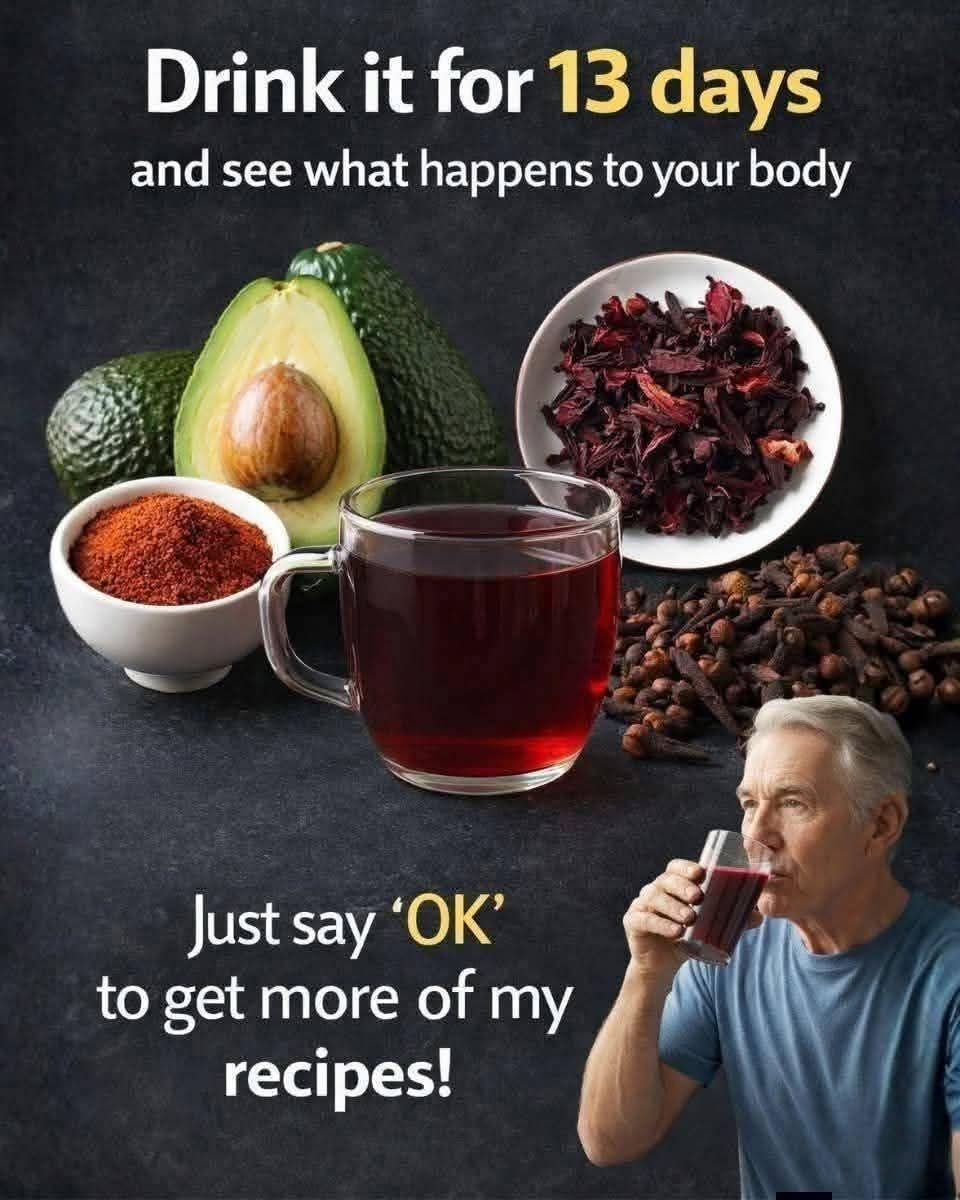
The 13 Day Drink That Goes Viral – What Happens to Your Body When You Actually Try It (Honest Review)
Does a 13‑day hibiscus and clove drink cure diabetes, high blood pressure, or cancer? We separate fact from fiction. Learn what these ingredients really do and how to use them safely. Let’s be honest: you’ve seen the posts. They pop up on Facebook, Pinterest, and TikTok – usually with a grainy image of a dark…
-
My Dad Passed Down This Cheap 4‑Ingredient Dinner Trick… The Most Melt‑in‑Your‑Mouth Meal You’ll Ever Make
This 4‑ingredient pork chop dinner is my dad’s secret recipe. Slow‑cooked with onion soup mix and barbecue sauce, it’s tender, budget‑friendly, and unforgettable. Perfect for busy families. Let’s be honest: the best recipes don’t come from celebrity chefs or glossy cookbooks. They come from family. From a parent who knew how to stretch a dollar…
-
Beef and Gravy Over Mashed Potatoes – The Ultimate Comfort Food Classic
Creamy mashed potatoes topped with savory ground beef and rich homemade gravy. This beef and gravy recipe is easy, budget‑friendly, and ready in 45 minutes. Perfect weeknight dinner. Let’s be honest: some meals just feel like a hug on a plate. Beef and gravy over mashed potatoes is one of them. It’s the dinner your…