
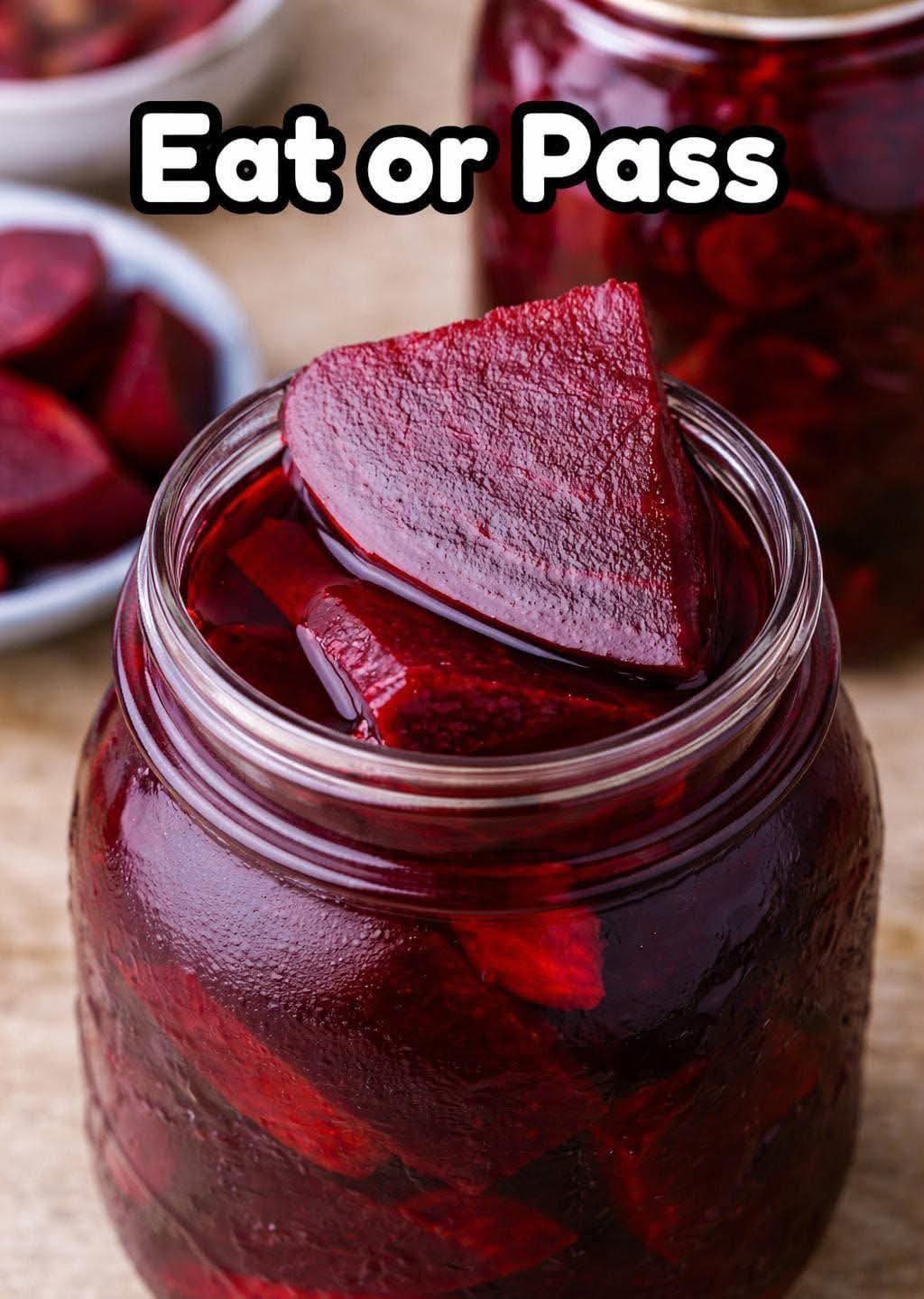
There’s something magical about a jar of pickled beets sitting in your refrigerator. The deep magenta liquid catching the light. The earthy sweetness transformed by vinegar and spices. The way they turn everything they touch a brilliant shade of pink—including your hands, your cutting board, and yes, eventually your potato salad.
I didn’t always love pickled beets. For years, I only encountered them at salad bars, sitting in those metal bins looking slightly sad and far too vinegar-forward. They were fine. They were forgettable.
Then I had homemade pickled beets at a farmhouse dinner in the countryside, and everything changed. These weren’t the harsh, one-note pickles of my memory. They were sweet and tangy in perfect balance, with warm spices that whispered rather than shouted. The beets themselves were tender but not mushy, each slice retaining its integrity while soaking up the brine’s magic.
I asked for the recipe, and the farmer’s wife smiled. “It’s just beets, vinegar, sugar, and a few spices,” she said. “But the secret is in the balance.”
I’ve been making pickled beets ever since, tweaking and perfecting until I landed on this recipe. It’s the one I make when beets appear in my CSA box. It’s the one I make for holiday tables and summer picnics. It’s the one that turns beet skeptics into beet believers.
And today, I’m sharing every detail with you.
Why Homemade Pickled Beets Are Worth the Effort
Before we dive into the recipe, let’s talk about why you should make your own instead of buying them at the store.
Flavor control. Store-bought pickled beets are often too sweet, too sour, or just… bland. When you make them yourself, you control the balance. You can adjust the sugar, choose your vinegar, and select the spices that make your heart sing.
Texture superiority. Homemade pickled beets, when done right, have the perfect texture—tender but with a slight resistance that makes each bite satisfying. Canned versions are often mushy from overcooking and long shelf storage.
No artificial anything. Commercial pickled beets often contain preservatives, artificial colors (as if beets need help being colorful), and high fructose corn syrup. Your homemade version contains real food, period.
The pink everything bonus. Once you’ve made pickled beets, you’ll have leftover pickling liquid that’s turned brilliant magenta. Don’t throw it away! Use it to pickle hard-boiled eggs for deviled eggs with a stunning pink hue. Add it to salad dressings. Use it to brighten up potato salad. That liquid is liquid gold.
They’re ridiculously easy. Despite sounding fancy and impressive, pickled beets require minimal hands-on time. The oven or stovetop does most of the work while you go about your day.
The Complete Ingredient Breakdown
Let’s start with everything you’ll need. Quality matters, but this recipe is forgiving enough to work with what you have.
For the Beets:
8 medium fresh beets (about 2-2½ pounds)
Look for beets that are firm, smooth-skinned, and about the size of a tennis ball. Smaller beets are often more tender and sweeter. If you’re using farmers market beets with the greens attached, remove the greens promptly—they’ll pull moisture from the roots. And don’t throw those greens away! They’re delicious sautéed with garlic and olive oil.
Pro tip: Choose beets that are similar in size so they cook evenly. If your beets vary dramatically in size, remove the smaller ones earlier or cut larger ones in half.
For the Pickling Brine:
1 cup vinegar (white or apple cider vinegar)
This is where you have choices, and each choice creates a different result.
· White vinegar: Gives you a clean, sharp, classic pickled beet flavor. The color of the beets stays brilliant and clear. This is my choice for traditional pickled beets.
· Apple cider vinegar: Adds a subtle fruity note and slight complexity. The color will be slightly less brilliant but still beautiful. Perfect if you want a more rustic, farmhouse-style pickle.
· White wine vinegar: A lovely middle ground with mild acidity and delicate flavor.
1 cup water
Regular tap water is fine. If your tap water has a strong chlorine taste, use filtered water for the cleanest flavor.
1 cup granulated sugar
Sugar balances the acidity of the vinegar and creates that classic sweet-tangy profile. Don’t be tempted to reduce it drastically on your first try—the sugar is essential for both flavor and texture. That said, you can absolutely adjust to your taste preferences over time.
1 teaspoon pickling salt or kosher salt
Regular table salt often contains anti-caking agents that can make brine cloudy. Pickling salt dissolves clearly and has a clean taste. Kosher salt works perfectly too—just use a little more since it’s less dense.
For the Aromatics and Spices:
1 cinnamon stick
Yes, cinnamon. It sounds unexpected, but it adds warmth and depth without screaming “cinnamon.” It’s the secret background note that makes people wonder why your pickled beets taste more complex than anyone else’s.
3-4 whole cloves
Cloves add warmth and a touch of sweetness. They’re potent, so a little goes a long way. Four cloves are perfect for this amount of beets.
1 star anise pod (optional but incredible)
This is my secret weapon. Star anise adds a subtle licorice note that pairs beautifully with beets’ earthiness. If you’re skeptical, leave it out. But if you’re adventurous, try it once and see what you think.
1 teaspoon whole black peppercorns
For gentle heat and complexity.
1 bay leaf
For savory depth.
Step-by-Step Instructions
Now let’s get cooking. This recipe takes about 20 minutes of active prep and then some waiting time while the beets cook and pickle. The result is worth every minute.
Step 1: Prep the Beets
Preheat your oven to 400°F (200°C).
Wash your beets thoroughly, scrubbing off any dirt. Leave the roots attached and don’t trim the tops too closely—you want to keep the skins intact to prevent bleeding during roasting. Trim the greens to about 1 inch above the beet if they’re still attached.
Place the beets in a baking dish or on a rimmed baking sheet. Add about ¼ cup of water to the dish—this creates steam and prevents the beets from drying out. Cover tightly with foil.
Roast for 45-75 minutes, depending on the size of your beets. You’ll know they’re done when a knife or skewer slides into the center with little resistance. The skin should slip off easily when rubbed.
Alternative method: Boiling. If you prefer not to heat up your oven, you can boil the beets. Place them in a large pot, cover with water, bring to a boil, then reduce to a simmer. Cook for 30-60 minutes until tender. Roasting concentrates flavor better, but boiling works perfectly well.
Step 2: Cool and Peel
Remove the beets from the oven and let them cool until you can handle them comfortably. This usually takes about 15-20 minutes.
Once cool enough to handle, use your fingers or a paper towel to rub the skins off. They should slip right off. If they’re stubborn, use a small knife to help, but really they should come off easily if the beets are properly cooked.
Wear kitchen gloves for this step unless you want pink hands for a day or two. The staining is real!
Step 3: Slice or Quarter
Cut the peeled beets into your desired shape. Here are your options:
· Sliced: Cut into ¼-inch thick rounds. Beautiful for serving and perfect for sandwiches or salads.
· Quartered: Cut each beet into wedges. Great for snacking and for those who prefer a heartier texture.
· Diced: Cut into ½-inch cubes. Perfect for adding to salads or grain bowls later.
Place your prepared beets in a large bowl or directly into your sterilized jars. If you’re using jars, pack them reasonably tight—you want to fit plenty of beets, but leave room for the brine to circulate.
Step 4: Make the Pickling Brine
In a medium saucepan, combine:
· 1 cup vinegar
· 1 cup water
· 1 cup sugar
· 1 teaspoon pickling salt
· Cinnamon stick
· Whole cloves
· Star anise (if using)
· Peppercorns
· Bay leaf
Bring to a boil over medium-high heat, stirring occasionally to help the sugar dissolve completely. Once the sugar is dissolved and the mixture comes to a full boil, reduce heat and let it simmer for 5 minutes. This allows the spices to infuse the brine with their flavors.
Taste the brine carefully—it should be sweet, tangy, and aromatic. Remember that the flavors will mellow once combined with the beets.
Step 5: Combine and Cool
Pour the hot brine over your prepared beets. If the beets are in a bowl, stir gently to combine. If they’re in jars, pour the brine over them, making sure the beets are completely covered.
Let everything cool to room temperature on the counter. As it cools, the flavors begin their magic dance. You’ll see the color deepening, the brine transforming from clear to glorious magenta.
Step 6: Refrigerate and Wait
Once cool, cover your container or seal your jars and transfer to the refrigerator.
Here’s the hard part: wait at least 24 hours before eating. I know they look gorgeous and smell amazing. I know you want to taste immediately. But pickling is a process that needs time. The beets need to absorb the brine, the flavors need to meld, the transformation needs to complete.
If you taste them too soon, you’ll get beets with brine on the outside but plain beet on the inside. Give them a full day, and you’ll get beets that are infused all the way through with sweet-tangy-spicy perfection.
For best results, wait 48-72 hours. They’ll keep getting better for about a week, then maintain that peak for several weeks.
Step 7: Enjoy
Once they’ve had time to pickle, your beets are ready to enjoy. Eat them straight from the jar as a snack. Add them to salads. Serve them alongside roasted meats. Chop them into grain bowls. Layer them on sandwiches. The possibilities are endless.
The Science Behind Perfect Pickled Beets
Understanding what’s happening chemically helps you troubleshoot and customize with confidence.
The acid (vinegar) preserves the beets by creating an environment where spoilage microorganisms can’t thrive. It also provides that signature tang and helps break down the beets’ fibers slightly, improving texture.
The sugar balances acidity and contributes to preservation. Sugar also affects texture by interacting with pectin in the beets.
The salt enhances flavor, helps preserve, and affects texture by drawing out some moisture.
The spices add complexity and aromatic notes that elevate the entire experience.
The waiting period allows osmosis to work. The brine gradually penetrates the beets, carrying flavor molecules into every cell. This takes time—hence the 24-hour rule.
Troubleshooting Common Issues
My Beets Turned Out Mushy
This usually means they were overcooked before pickling. Beets should be tender but still have structure—a knife should slide in easily, but they shouldn’t fall apart. Next time, check them earlier and remove them as soon as they’re just tender.
My Brine Is Cloudy
Cloudy brine can result from using table salt with anti-caking agents, or from not dissolving the sugar completely. Use pickling salt or kosher salt next time, and make sure your sugar is fully dissolved before pouring over the beets.
My Pickled Beets Taste Too Vinegary
This can happen if your beets are very small and the brine-to-beet ratio is off, or if you didn’t let them pickle long enough. Give them more time—the flavor mellows and balances over a few days. Next time, you can slightly reduce the vinegar and increase the water or sugar.
My Pickled Beets Taste Too Sweet
Similarly, time helps balance flavors. If they’re still too sweet after a few days, next time reduce the sugar by ¼ cup and adjust from there.
The Spices Are Overwhelming
Whole spices are potent. If your cloves or star anise dominated, use fewer next time. You can also remove the whole spices after simmering the brine if you want a more subtle background note.
Delicious Variations
Once you’ve mastered the basic recipe, try these variations.
Spicy Pickled Beets
Add 1-2 dried chiles (like arbol or Thai bird chiles) to the brine along with the other spices. The heat builds over time and creates a wonderful contrast with the sweet beets.
Ginger Pickled Beets
Add a 2-inch piece of fresh ginger, peeled and sliced into thin coins, to the brine. The ginger adds warmth and zing that pairs beautifully with beets.
Orange Pickled Beets
Add the zest and juice of one orange to the brine, reducing water slightly to compensate. The citrus brightens everything and adds another layer of complexity.
Balsamic Pickled Beets
Replace ½ cup of the vinegar with balsamic vinegar. The result is deeper, more complex, and slightly sweeter. These are incredible with goat cheese.
Herbed Pickled Beets
Add several sprigs of fresh thyme, rosemary, or dill to the jars before pouring the brine. Fresh herbs add bright, aromatic notes.
Honey-Sweetened Pickled Beets
Replace the sugar with ¾ cup honey for a different sweetness profile. The flavor will be slightly more complex and less neutral.
Canning for Shelf Stability
This recipe as written is for refrigerator pickles—they’ll keep for 2-3 months in the fridge but aren’t shelf-stable. If you want to can your pickled beets for long-term storage at room temperature, you’ll need to follow proper canning procedures.
For water bath canning:
- Prepare your jars and lids according to manufacturer instructions.
- Pack hot, cooked beets into hot jars.
- Pour hot brine over beets, leaving ½-inch headspace.
- Remove air bubbles, wipe rims, and apply lids and rings.
- Process in a boiling water bath for 30 minutes (adjust for altitude if needed).
- Let cool, check seals, and store in a cool, dark place.
Important safety note: Follow current USDA canning guidelines. The acid level in this recipe (equal parts vinegar and water) is sufficient for safe water bath canning, but always use tested recipes and proper technique.
Health Benefits of Pickled Beets
Beyond their deliciousness, pickled beets offer some impressive health benefits.
Rich in nutrients: Beets are packed with folate, manganese, potassium, iron, and vitamin C. Pickling preserves most of these nutrients.
Gut health: Fermented pickles (different from vinegar pickles) offer probiotics, but even vinegar-pickled beets provide fiber that supports digestive health.
Blood pressure support: Beets are famously rich in nitrates, which convert to nitric oxide in the body and help relax and dilate blood vessels, potentially lowering blood pressure.
Anti-inflammatory: The betalains in beets (the compounds that give them their deep red color) have powerful anti-inflammatory properties.
Low calorie, high satisfaction: A serving of pickled beets is low in calories but high in flavor, making them a smart choice for satisfying sweet-savory cravings without derailing healthy eating.
What to Do With Pickled Beets
If you’re wondering how to use your beautiful jars of magenta goodness, here are some ideas:
Simple salad: Toss with arugula, goat cheese, and walnuts. The peppery arugula, creamy cheese, and crunchy nuts complement the sweet-tangy beets perfectly.
Sandwich star: Layer on sandwiches with roasted turkey, brie, and arugula. Or go vegetarian with hummus, pickled beets, and fresh greens.
Grain bowl base: Add to quinoa bowls with roasted vegetables, greens, and a tahini dressing.
Deviled eggs: Use the leftover pink brine to pickle hard-boiled eggs, then make deviled eggs with stunning pink centers.
Potato salad: Dice and add to potato salad for color and tangy contrast.
Charcuterie board: Arrange on a board with cheeses, cured meats, and crusty bread. The color alone makes the board spectacular.
Bloody Mary garnish: A pickled beet spear is an unexpected and delicious Bloody Mary garnish.
Simple snack: Sometimes the best use is straight from the jar with a fork.
Storage and Shelf Life
Refrigerator pickles: Store in an airtight container in the refrigerator for 2-3 months. The flavor peaks after about a week and maintains beautifully for several weeks.
Canned pickles: Store in a cool, dark place for up to one year. Once opened, refrigerate and use within 2-3 months.
Leftover brine: Don’t throw it away! Use it to pickle hard-boiled eggs, add to salad dressings, splash into potato salad, or even drink small amounts as a tangy tonic (seriously—it’s delicious and some people swear by it for muscle cramps).
Why This Recipe Deserves a Spot in Your Rotation
In a world of complicated recipes and endless ingredients, there’s something deeply satisfying about a recipe that delivers so much with so little. Pickled beets ask for your patience but not your constant attention. They transform humble ingredients into something jewel-like and special.
I make these beets whenever I see beautiful bunches at the farmers market. I make them in the fall when root vegetables are at their peak. I make them just because I want that jar of magenta brightness in my refrigerator, ready to elevate any meal.
They’ve converted beet skeptics at dinner parties. They’ve become the thing friends request for holiday gatherings. They’ve turned simple weeknight salads into something worth looking forward to.
And now they can be that for you too.
The recipe is simple. The ingredients are few. The result is extraordinary. That’s the kind of cooking I love most—where the whole becomes greater than the sum of its parts, where patience and care transform the ordinary into the memorable.
So preheat your oven. Wash those beets. Find your cinnamon stick and cloves. And get ready to fall in love with pickled beets.
Your future self, opening a jar of perfect magenta slices on a random Tuesday, will thank you.
Have you made pickled beets before? What’s your favorite way to use them? I’d love to hear your experiences in the comments below!
More Recipes You Might Like
-
Cherry Dump Cake: The 3-Ingredient Dessert That’s Almost Too Easy
Discover the magic of Cherry Dump Cake! With just 3 ingredients and 5 minutes of prep, this impossibly easy dessert creates a golden, buttery topping over sweet, tart cherry filling. Perfect for last-minute craving Let me tell you about the dessert that saved my reputation as a baker. I love to bake. I really do.…
-

Apple Pie Prepared with Only 3 Apples and in 10 Minutes – It Drives Me Crazy!
Discover the magic of this incredible apple pie made with just 3 apples and ready in 10 minutes! It’s the easiest, most delicious dessert you’ll ever make. Perfect for last-minute cravings and unexpected guests. Let me tell you about the apple pie that changed my life. I know that sounds dramatic, but hear me out.…
-
4 Ingredient Slow Cooker Unstuffed Cabbage Beef: The Easiest Comfort Food Ever
Discover the magic of 4-Ingredient Slow Cooker Unstuffed Cabbage Beef! All the flavor of traditional cabbage rolls without the fuss. Just toss it in the slow cooker and come home to a hearty, delicious dinner. Let me tell you about the recipe that saved my sanity on a hundred busy weeknights. I love cabbage rolls.…