
Do your legs feel heavy, tired, or tingly? Learn natural ways to support circulation – from beetroot and berries to lifestyle changes. No miracle cures, just real, effective strategies.
Let’s be honest: after a long day of sitting at a desk or standing on your feet, your legs can feel like lead. Heavy, achy, tingly, or even swollen. You’re not alone. Millions of people experience poor circulation symptoms – especially in the legs – and it can leave you feeling drained and frustrated.
You’ve probably seen viral posts claiming that a single “miracle drink” can fix everything. Dark red bottles filled with beets, berries, and herbs, promising to “cleanse your veins” or “restore perfect circulation overnight.” The images are convincing, the language is bold, and the hope is real.
But here’s the truth: there is no magic drink that cures circulation problems. Healthy circulation is the result of consistent daily habits – movement, hydration, nutrition, and sometimes medical care. However, certain natural ingredients (like beetroot, berries, ginger, and hibiscus) can genuinely support blood flow when used as part of a balanced lifestyle.
In this guide, I’ll give you an honest, science‑backed look at what causes heavy legs and fatigue, which natural remedies actually help, and – most importantly – when you need to see a doctor instead of relying on home remedies.
Let’s get your blood flowing – the right way.
What Your Body Might Be Telling You – Understanding Heavy Legs & Fatigue
Before we talk about solutions, let’s understand the problem. Heavy, tired, or tingly legs can be caused by several factors:
Possible Cause How It Feels
Poor blood circulation Legs feel heavy, cold, or numb; skin may look pale or bluish
Venous insufficiency (weak vein valves) Swelling, aching, worse after standing; improves with elevation
Sedentary lifestyle Stiffness, fatigue, pooling of blood in lower legs
Dehydration Thickens blood, making circulation less efficient
Nutrient deficiencies (iron, B12, magnesium) Fatigue, muscle cramps, tingling
Varicose veins Visible bulging veins, aching, heaviness
Peripheral artery disease (PAD) Leg pain with walking, poor wound healing – requires medical attention
👉 If your symptoms are persistent, severe, or accompanied by chest pain, shortness of breath, or leg swelling with redness/warmth, see a doctor immediately. These can be signs of blood clots or heart problems.
The Truth About “Miracle” Circulation Drinks – What They Can and Cannot Do
You’ve seen the posts: a large bottle of dark red liquid, made from beets, berries, hibiscus, and ginger, with captions like “Drain your legs overnight” or “Fix your circulation in 3 days.” These claims are dangerously misleading.
What these drinks CAN do:
· Provide antioxidants that support blood vessel health over time
· Offer hydration (essential for good circulation)
· Supply nitrates (from beets) that may temporarily improve blood flow
· Be a healthy, low‑sugar alternative to sodas and juices
What these drinks CANNOT do:
· Cure venous insufficiency or varicose veins
· Reverse peripheral artery disease
· Replace medical treatment for serious conditions
· Work overnight or in a few days
The ingredients are genuinely healthy – but they are supportive, not curative. Think of them as a small helper, not a hero.
Ingredients That Support Circulation Naturally (Science‑Backed)
Let’s look at the evidence behind common circulation‑supporting ingredients.
🍠 1. Beetroot – The Nitrate Powerhouse
How it works: Beets are rich in dietary nitrates, which your body converts to nitric oxide. Nitric oxide relaxes and widens blood vessels (vasodilation), improving blood flow and lowering blood pressure.
What the research shows: A 2017 meta‑analysis found that beetroot juice supplementation significantly improved blood flow and oxygen delivery to muscles. Another study showed that drinking beetroot juice improved walking distance in people with peripheral artery disease.
Realistic expectation: Drinking beetroot juice may temporarily improve circulation and exercise performance. The effect lasts a few hours. It is not a cure for chronic circulation problems.
How to use: Blend 1 small raw beet with water and other ingredients. Drink 30–60 minutes before exercise or on an empty stomach.
🍇 2. Berries – Antioxidant Rich
How it works: Berries (blueberries, strawberries, raspberries, blackberries) are packed with anthocyanins – flavonoids that protect blood vessels from oxidative damage and improve endothelial function (the lining of your arteries).
What the research shows: Regular berry consumption has been linked to lower blood pressure, improved artery flexibility, and reduced inflammation.
Realistic expectation: Eating a handful of berries daily supports long‑term vascular health. They are not a quick fix.
🌺 3. Hibiscus – Blood Pressure Support
How it works: Hibiscus tea contains anthocyanins and other polyphenols that act as natural ACE inhibitors (similar to some blood pressure medications).
What the research shows: Multiple studies have found that drinking hibiscus tea daily for 4–6 weeks can lower systolic blood pressure by 5–10 points in people with mild hypertension.
Realistic expectation: A helpful addition for mildly elevated blood pressure. Not a replacement for medication.
🌱 4. Ginger – Warming and Anti‑Inflammatory
How it works: Ginger contains gingerols and shogaols, compounds that improve circulation by relaxing blood vessels and reducing inflammation.
What the research shows: Small studies suggest ginger may help lower blood pressure and improve blood flow, though evidence is limited.
Realistic expectation: A pleasant, warming addition to teas and smoothies with mild circulation benefits.
🍋 5. Lemon – Hydration and Vitamin C
How it works: Proper hydration is essential for blood volume and flow. Vitamin C supports collagen production in blood vessel walls.
Realistic expectation: Lemon water is a healthy, hydrating choice – but it won’t transform your circulation on its own.
Simple Homemade Circulation Drink (Safe Recipe)
Enjoy this as a healthy, hydrating beverage – not a miracle cure. Drink it 3–4 times per week as part of a balanced diet.
🥤 Ingredients
Ingredient Amount Notes
Small beet (cooked or raw) 1 Peel if raw; cooked is milder
Mixed berries (fresh or frozen) 1 cup Blueberries, raspberries, strawberries
Fresh ginger 1 tsp Grated
Lemon juice ½ lemon Fresh
Water 1–2 cups Filtered
👩🍳 Instructions
- Combine all ingredients in a blender.
- Blend until smooth (30–60 seconds).
- Strain through a fine‑mesh sieve if you prefer a smoother juice (optional – the pulp adds fiber).
- Drink immediately. Do not store for more than 24 hours.
When to drink: Morning or early afternoon. Avoid late evening (beets can cause red urine – harmless).
Note: Beets can temporarily turn urine and stool pink/red. This is normal and not a cause for concern.
Lifestyle Tips That Matter More Than Any Drink
No drink can outrun a sedentary lifestyle. These habits are the real foundation of good circulation.
✔️ Move More – The #1 Most Important Factor
· Walk daily: Aim for 8,000–10,000 steps. Walking activates the calf muscle pump, which pushes blood back up toward your heart.
· Avoid prolonged sitting: Stand up and walk for 2 minutes every hour. If you have a desk job, consider a standing desk or under‑desk elliptical.
· Leg exercises: Ankle pumps, calf raises, and leg lifts while sitting improve circulation.
✔️ Elevate Your Legs
· When resting: Prop your legs up on a stool or ottoman so they are above the level of your heart. This uses gravity to help blood return.
· When sleeping: Place a pillow under the foot of your mattress or under your legs. Even a slight elevation helps.
✔️ Stay Hydrated
· Why it matters: Dehydration thickens your blood, making it harder to circulate. Aim for 8–10 glasses of water per day.
· Signs of dehydration: Dark urine, dry mouth, fatigue, headache.
✔️ Wear Comfortable Clothing
· Avoid: Tight socks, leggings, or pants that constrict the waist, groin, or calves. Compression stockings (medical grade) are an exception – they improve circulation by gently squeezing the legs.
· Compression stockings: If you have varicose veins or leg swelling, ask your doctor about graduated compression stockings (15–20 mmHg or higher).
✔️ Exercise Regularly
· Best exercises for circulation: Walking, swimming, cycling, yoga (especially inversion poses like legs‑up‑the‑wall).
· Frequency: At least 150 minutes of moderate activity per week.
✔️ Eat a Circulation‑Supporting Diet
· Foods rich in nitrates: Beets, spinach, arugula, celery.
· Foods rich in antioxidants: Berries, dark chocolate (70%+ cocoa), citrus fruits.
· Foods rich in omega‑3s: Fatty fish (salmon, mackerel, sardines), walnuts, flaxseeds.
· Reduce: Processed foods, excess salt (increases blood pressure and fluid retention), and added sugars (promote inflammation).
What to Avoid – Dangerous Myths and “Quick Fix” Claims
Myth Reality
“This drink cures varicose veins” No drink can reverse structural vein damage. Treatment may require compression, sclerotherapy, or laser.
“Drink this for 7 days and your circulation will be perfect” Circulation is a long‑term health marker. It doesn’t change in a week.
“You don’t need exercise if you drink this” False. Nothing replaces movement.
“Natural means safe for everyone” Beets can interact with blood pressure medication; hibiscus can lower BP too much if you’re already on meds.
👉 If you have a diagnosed condition (diabetes, hypertension, PAD, venous insufficiency), always consult your doctor before trying new remedies.
When to See a Doctor – Don’t Ignore These Symptoms
Natural remedies are for mild, occasional discomfort. If you experience any of the following, seek medical attention:
Symptom Possible Concern
Sudden leg swelling, pain, redness, warmth Deep vein thrombosis (DVT) – blood clot – emergency
Leg pain with walking that goes away with rest Peripheral artery disease (PAD)
Non‑healing sores or wounds on feet/legs Advanced PAD or diabetes
Chest pain, shortness of breath, irregular heartbeat Heart or lung problem
One leg colder than the other Arterial blockage
Visible bulging, painful veins Severe varicose veins or venous insufficiency
Do not rely on home remedies for these symptoms. Prompt medical treatment can save limbs and lives.
Frequently Asked Questions (FAQs)
Q: Can drinking beetroot juice really improve circulation?
Yes – temporarily. The nitrates in beets convert to nitric oxide, which widens blood vessels. The effect lasts a few hours and is most noticeable during exercise. It does not permanently fix circulation problems.
Q: How long does it take to see improvement in heavy legs?
With consistent lifestyle changes (movement, hydration, elevation), many people notice reduced heaviness and fatigue within 2–4 weeks. If you have an underlying condition like venous insufficiency, improvement may be slower.
Q: Are compression stockings worth it?
For people with varicose veins, leg swelling, or venous insufficiency, medical‑grade compression stockings are one of the most effective non‑surgical treatments. They gently squeeze the legs, helping blood return to the heart. Ask your doctor for the right pressure level.
Q: Can dehydration cause heavy legs?
Absolutely. When you’re dehydrated, your blood volume drops, and your heart has to work harder to pump blood. The remaining blood can pool in the legs, causing heaviness and fatigue. Drink water throughout the day.
Q: Is it safe to drink beet juice every day?
For most people, yes – 1 cup per day is safe. However, beets are high in oxalates, which can contribute to kidney stones in susceptible individuals. If you have a history of kidney stones, limit beet consumption. Also, beet juice can lower blood pressure – if you already take BP medication, monitor your levels.
Q: Can exercise make my leg symptoms worse?
If you have peripheral artery disease (PAD), walking may cause leg pain – but supervised exercise therapy is actually the recommended treatment. The pain improves over time as collateral blood vessels develop. If you have severe pain, talk to your doctor about a structured program.
Q: What’s the best sleeping position for leg circulation?
Elevate your legs slightly – place a pillow under your ankles or elevate the foot of your bed by 2–4 inches. This uses gravity to assist blood return. Avoid sleeping on your stomach, which can compress blood vessels.
Final Thoughts – Real Circulation Support Comes from Daily Habits
Heavy legs and fatigue are common, but they don’t have to control your life. The path to better circulation isn’t a “miracle drink” – it’s a combination of small, consistent habits:
· Move throughout the day – especially your legs and feet.
· Elevate your legs when resting.
· Stay hydrated – water is your best circulation aid.
· Eat nitrate‑rich and antioxidant‑rich foods like beets, berries, and leafy greens.
· Wear comfortable clothing – and compression stockings if recommended.
· See a doctor if symptoms are severe or persistent.
A homemade drink with beets, berries, and ginger can be a healthy, enjoyable addition to your routine – but it’s not a substitute for movement, hydration, or medical care.
Listen to your body. Respect its signals. And take action – one step at a time.
Now it’s your turn! Have you struggled with heavy legs or poor circulation? What’s helped you the most – exercise, elevation, or something else? Drop a comment below – I’d love to hear your experience.
And if you found this guide helpful, share it with a friend who spends all day on their feet. Pin it for later, and subscribe to our newsletter for more evidence‑based, no‑hype health information.
Stay active, stay hydrated, and keep your blood flowing. 🩸✨
More Recipes You Might Like
-
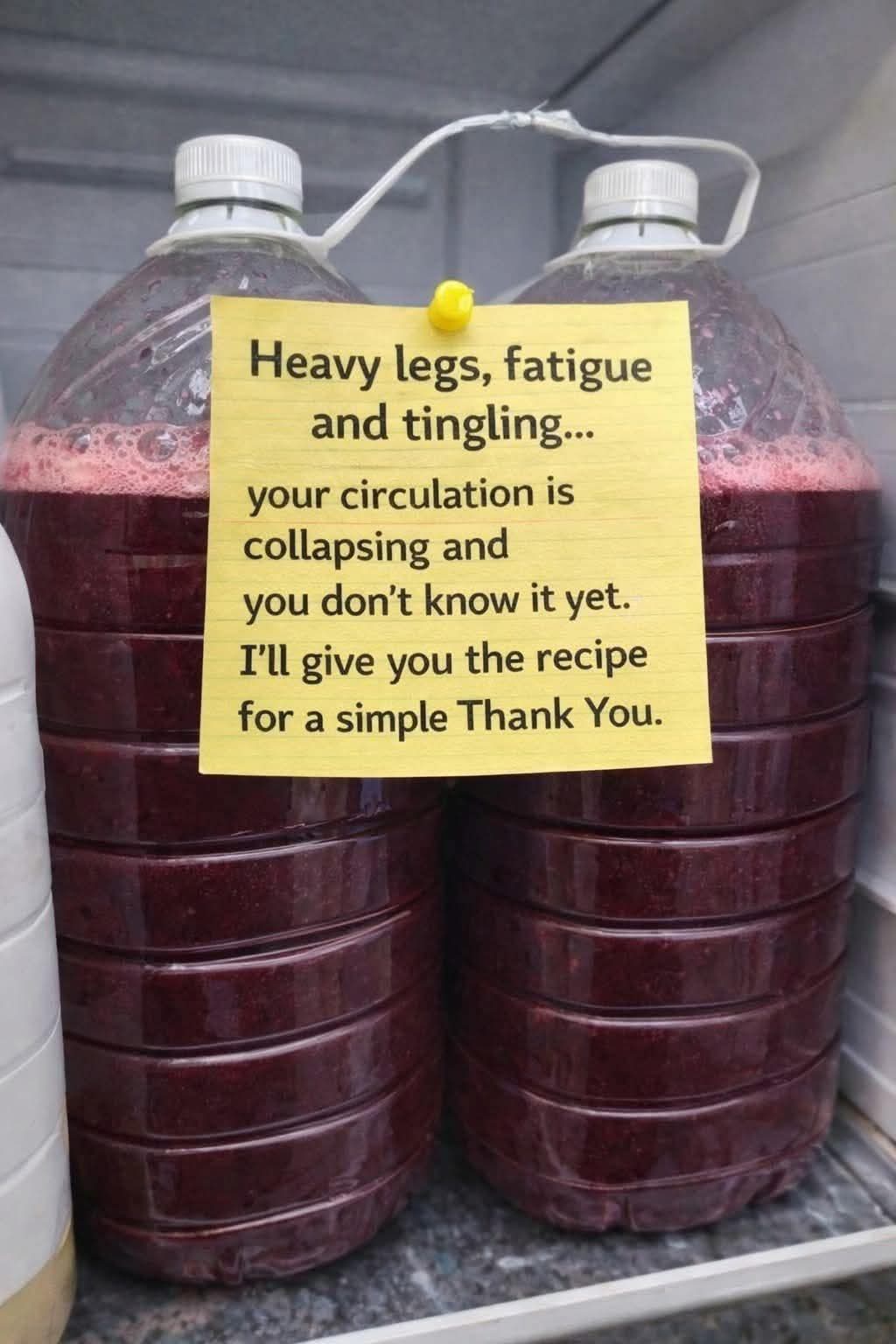
Natural Ways to Support Healthy Circulation and Reduce Heavy Legs And Fatigue – What Actually Works
Do your legs feel heavy, tired, or tingly? Learn natural ways to support circulation – from beetroot and berries to lifestyle changes. No miracle cures, just real, effective strategies. Let’s be honest: after a long day of sitting at a desk or standing on your feet, your legs can feel like lead. Heavy, achy, tingly,…
-
Slow Cooker 2 Ingredient Creamy Potatoes – The Easiest, Dreamiest Side Dish You’ll Ever Make
Yes – just potatoes and heavy cream. This slow cooker 2‑ingredient creamy potatoes recipe is the ultimate no‑fuss side dish. Set it and forget it for the creamiest, most delicious potatoes ever. Let’s be honest: side dishes are often an afterthought. You spend time on the main course – maybe a roast chicken, a pot…
-

Michigan Rocks Cookies – The Nostalgic Slice-and-Bake Treat Everyone Falls in Love With
Michigan Rocks cookies are buttery slice-and-bake treats packed with dried fruit and nuts. Easy make-ahead recipe, perfect for holidays, gifting, or anytime you need a taste of nostalgia. Let’s be honest: some recipes aren’t just about food – they’re about memories. The smell of something baking in the oven, the sound of laughter in the…