
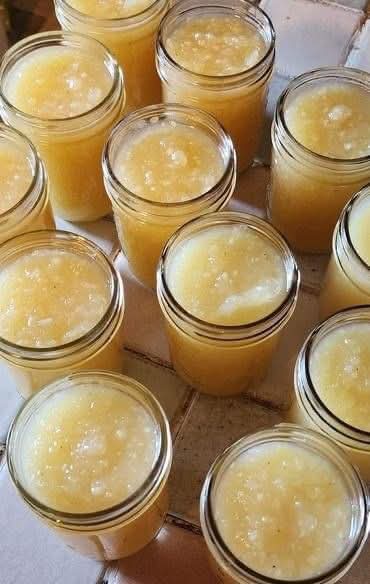
There are some recipes that sound so playful, so whimsical, that you can’t help but smile when you hear the name. Monkey Butter is one of them. It conjures images of tropical islands, happy primates, and something deliciously sweet and creamy. And honestly? The reality lives up to the name.
Monkey Butter is a thick, luscious fruit spread made primarily from bananas and pineapple, slow-cooked with sugar and a hint of citrus until it transforms into something magical. It’s sweet and tangy, tropical and comforting, with a texture that’s perfectly spreadable on toast, swirled into yogurt, spooned over ice cream, or eaten straight from the jar when nobody’s watching.
I first discovered Monkey Butter at a small farmers market in Florida, where a friendly woman behind a table of homemade jams offered me a sample on a tiny piece of baguette. One taste and I was hooked. I bought three jars on the spot and made them last as long as humanly possible. When the last jar was empty, I knew I had to learn to make it myself.
After some experimentation and many, many batches, I’ve perfected my version. It’s simpler than you might think, made with everyday ingredients, and absolutely worth the small amount of effort it requires.
Today, I’m sharing everything you need to know to make your own Monkey Butter at home.
What Exactly Is Monkey Butter?
Let’s start with the name. No, it doesn’t contain butter. And no, it’s not actually made by monkeys (though I imagine they’d approve).
Monkey Butter is a tropical fruit preserve, similar in consistency to apple butter or a thick fruit jam. The name likely comes from the fact that monkeys love bananas—and bananas are the star ingredient. It’s a playful, memorable name for a seriously delicious spread.
The base typically includes:
· Bananas (the “monkey” part)
· Pineapple (for tropical sweetness and tang)
· Sugar (to preserve and sweeten)
· Lemon or lime juice (for brightness and to balance sweetness)
· Sometimes coconut, vanilla, or spices for added depth
The result is a spread that tastes like sunshine in a jar. It’s thick enough to stay put on a piece of toast but soft enough to dollop onto pancakes or waffles. It’s sweet but not cloying, thanks to the pineapple’s acidity. And it’s versatile enough to use in countless ways.
Why You’ll Fall in Love With Monkey Butter
It’s uniquely delicious. You’ve had strawberry jam and grape jelly. You’ve probably had banana bread and pineapple upside-down cake. But Monkey Butter? It’s something different—a combination you might not have experienced before, and one you’ll immediately want to experience again.
It uses simple ingredients. Nothing fancy required. Just bananas, pineapple, sugar, and lemon juice. You probably already have most of these in your kitchen.
It’s forgiving. Unlike some jam recipes that require precise pectin measurements and exact cooking times, Monkey Butter is relaxed. Cook it a little less for a softer spread, a little more for a thicker, more concentrated result. It always turns out delicious.
It makes your kitchen smell incredible. The aroma of bananas and pineapple simmering with sugar and citrus is absolutely intoxicating. Your whole house will smell like a tropical bakery.
It’s a fantastic gift. Jarred up with a pretty label and a ribbon, Monkey Butter makes a thoughtful, personal gift that people actually get excited about. It’s unique enough that most recipients won’t have tried it before.
It uses up ripe bananas. You know those sad, spotty bananas on your counter that nobody wants to eat? They’re perfect for Monkey Butter. The riper the bananas, the sweeter and more flavorful your spread will be.
The Complete Ingredient Breakdown
For the Monkey Butter:
4 cups mashed ripe bananas (about 6-8 medium bananas)
The riper, the better. Look for bananas with plenty of brown spots—they should be soft and intensely sweet. The starch in green or barely ripe bananas hasn’t fully converted to sugar, so your spread won’t have the same depth of flavor.
To mash, simply peel and place in a large bowl, then mash with a potato masher or fork until smooth but with a little texture remaining. You don’t want it completely liquid—some small chunks add character.
20 ounces crushed pineapple, undrained
That’s one standard can. Use pineapple packed in juice, not heavy syrup, to control the sweetness. Don’t drain it—the juice is part of the recipe and contributes to the final texture and flavor.
The pineapple provides acidity that balances the sweetness of the bananas and sugar, plus tropical flavor and natural pectin that helps the spread thicken.
3 cups granulated sugar
Sugar acts as both sweetener and preservative. It also helps create the thick, spreadable texture. Don’t reduce it drastically on your first try—the sugar is essential for both preservation and texture. If you want a less sweet version, you can reduce by up to ½ cup, but the spread will be thinner and won’t keep as long.
⅓ cup fresh lemon juice
Fresh is noticeably better here. Bottled lemon juice has a cooked, flat flavor that can’t compare. The lemon juice adds brightness, balances the sweetness, and provides acidity that helps with preservation and preventing browning.
1 teaspoon vanilla extract (optional but recommended)
Vanilla adds warmth and depth, rounding out the tropical flavors beautifully. It’s not traditional in all versions, but I consider it essential.
½ cup shredded unsweetened coconut (optional)
If you love coconut, this addition takes Monkey Butter to another level. It adds texture and even more tropical flavor. Toast the coconut first for extra depth.
¼ teaspoon ground cinnamon or nutmeg (optional)
A tiny hint of warm spice can be lovely. Go easy—you want to complement, not overpower, the tropical flavors.
Step-by-Step Instructions
Step 1: Prepare Your Ingredients
Peel your ripe bananas and mash them in a large bowl. You want about 4 cups of mashed bananas. A few small lumps are fine—they’ll break down during cooking.
Open your can of crushed pineapple. Measure your sugar. Juice your lemons. If you’re adding coconut, measure it out.
Having everything ready before you start makes the process smooth and prevents scrambling.
Step 2: Combine Everything in a Large Pot
In a large, heavy-bottomed pot or Dutch oven, combine:
· Mashed bananas
· Crushed pineapple with its juice
· Sugar
· Lemon juice
· Vanilla extract (if using)
· Any optional spices or coconut
Stir well to combine. The mixture will look quite liquid at this point—don’t worry, it will thicken dramatically as it cooks.
Step 3: Bring to a Boil
Place the pot over medium-high heat and bring the mixture to a boil, stirring frequently to prevent scorching on the bottom. Sugar burns easily, so don’t walk away during this stage.
Once it reaches a full, rolling boil, reduce the heat to medium-low or low—whatever maintains a gentle simmer.
Step 4: Simmer and Stir
Here’s where patience comes in. Let the mixture simmer gently, stirring occasionally, for about 1½ to 2 hours. The timing depends on your exact heat level, the width of your pot, and how thick you want the final product.
You’ll notice the mixture gradually darkening, thickening, and becoming more translucent. The bananas and pineapple will break down further, and the flavors will concentrate and meld.
Stir every 5-10 minutes, more frequently as it thickens. Pay special attention to the bottom and corners of the pot where sticking can occur.
Step 5: Test for Doneness
After about 1½ hours, start testing for doneness. There are several ways:
The plate test: Place a small spoonful on a cold plate and put it in the refrigerator for 2 minutes. Run your finger through it—if it leaves a clean path and doesn’t run back together, it’s done.
The spoon test: Dip a cold metal spoon into the mixture and lift it out. The Monkey Butter should coat the spoon thickly. Tilt the spoon—if it runs off quickly, it needs more time.
Visual cues: The mixture should be thick, dark golden-brown, and mound slightly when stirred rather than immediately leveling out.
Remember that Monkey Butter will continue to thicken as it cools, so it’s better to remove it from heat when it’s slightly looser than your desired final consistency.
Step 6: Ladle Into Jars
Once your Monkey Butter has reached the desired consistency, remove it from heat.
If you’re canning for shelf stability (instructions below), ladle the hot Monkey Butter into hot, sterilized jars, leaving ¼-inch headspace. Remove air bubbles, wipe rims clean, and apply lids and rings.
If you’re making refrigerator or freezer preserves, simply ladle into clean jars or containers and let cool to room temperature before covering and refrigerating.
Step 7: Cool and Store
Let the jars cool completely on the counter. You may hear the satisfying “pop” of lids sealing if you’re canning.
Once cool, label your jars with the date and store accordingly.
The Science Behind Perfect Monkey Butter
Understanding what’s happening chemically helps you troubleshoot and customize.
Pectin: Both bananas and pineapple contain natural pectin, which helps the spread thicken. Pineapple contains enzymes that can break down pectin, but cooking neutralizes these enzymes, allowing the pectin to do its job.
Sugar concentration: The high sugar content helps preserve the fruit and creates the thick texture through its interaction with pectin and water.
Acid balance: Lemon juice adds acidity, which helps with preservation, balances sweetness, and prevents browning.
Evaporation: As the mixture simmers, water evaporates, concentrating flavors and thickening the spread. This is why cooking time varies—more evaporation equals thicker results.
Troubleshooting Common Issues
My Monkey Butter Is Too Thin
This usually means it hasn’t cooked long enough. Return it to heat and continue simmering, stirring frequently, until it thickens. Alternatively, you can use it as a thinner sauce or syrup—it’s still delicious!
My Monkey Butter Is Too Thick
If it’s thicker than you’d like, you can thin it with a little water or pineapple juice when reheating. For next time, cook it slightly less.
It Scorched on the Bottom
This happens when heat is too high or stirring is too infrequent. Scrape the unburnt portion into a clean pot, being careful not to incorporate the burnt bits. For future batches, use lower heat and stir more frequently, especially toward the end.
It’s Crystallized
If your Monkey Butter develops grainy sugar crystals, it may have cooked too quickly or been stirred too vigorously during boiling. Gentle simmering and occasional stirring prevent this.
The Flavor Isn’t Balanced
If it’s too sweet, add more lemon juice next time. If it’s too tart, increase the sugar slightly. Adjust to your taste preferences.
Water Bath Canning for Shelf Stability
Monkey Butter makes a wonderful shelf-stable product when properly canned. Here’s how:
- Prepare your jars, lids, and rings according to manufacturer instructions. Jars should be clean and hot.
- Prepare your water bath canner with enough water to cover jars by 1-2 inches. Bring to a simmer.
- Ladle hot Monkey Butter into hot jars, leaving ¼-inch headspace.
- Remove air bubbles with a bubble popper or non-metallic spatula.
- Wipe jar rims thoroughly with a clean, damp cloth.
- Center lids on jars and apply rings until fingertip-tight.
- Place jars in canner, ensuring they’re covered by water. Bring to a full rolling boil.
- Process for 10 minutes (adjust for altitude if needed).
- Turn off heat, remove canner lid, and let jars sit for 5 minutes.
- Remove jars and let cool completely on a towel-lined counter. You should hear the satisfying “pop” of lids sealing.
- After 12-24 hours, check seals, label, and store in a cool, dark place for up to one year.
Altitude adjustment: Add 5 minutes for 1,001-3,000 feet, 10 minutes for 3,001-6,000 feet, 15 minutes for 6,001-8,000 feet, and 20 minutes for above 8,000 feet.
Delicious Variations
Coconut Monkey Butter
Add ½ cup unsweetened shredded coconut along with the other ingredients. Toast the coconut first in a dry skillet for extra depth.
Spiced Monkey Butter
Add 1 teaspoon ground cinnamon, ½ teaspoon ground ginger, and ¼ teaspoon ground nutmeg. This version tastes like tropical banana bread in a jar.
Mango Monkey Butter
Replace half the bananas with 2 cups mashed ripe mango. The mango adds another layer of tropical flavor.
Rum-Spiked Monkey Butter
Add 2 tablespoons dark rum during the last 15 minutes of cooking. The alcohol cooks off, leaving rich, complex flavor.
Lime-Coconut Monkey Butter
Replace lemon juice with lime juice and add ½ cup toasted coconut. Lime and coconut are a match made in tropical heaven.
Honey-Sweetened Monkey Butter
Replace half the sugar with 1½ cups honey. The flavor will be different—more complex and floral—and the texture may be slightly softer.
Ways to Use Monkey Butter
Once you have a jar of this golden goodness, you’ll find endless ways to enjoy it.
On toast or bagels: The classic use. Spread generously on your morning toast for a tropical start to the day.
On pancakes or waffles: Use it in place of syrup. The thick texture clings beautifully to every nook and cranny.
Swirled into yogurt: Stir a spoonful into plain Greek yogurt for instant tropical flavor.
Over ice cream: Warm slightly and drizzle over vanilla ice cream. Add toasted coconut for extra indulgence.
In oatmeal or porridge: Stir a spoonful into hot oatmeal along with some toasted nuts.
As a filling for thumbprint cookies: Use it in place of jam for cookies with a tropical twist.
On a cheese board: It’s surprisingly delicious with sharp cheddar or creamy brie.
In peanut butter sandwiches: Replace the jelly with Monkey Butter for a peanut butter and banana experience.
As a cake filling: Use between layers of vanilla or coconut cake.
Straight from the jar: No judgment here. Sometimes that’s exactly what you need.
Storage and Shelf Life
Refrigerator: Store in an airtight container in the refrigerator for up to 3 months. The flavor continues to develop over time.
Freezer: Monkey Butter freezes beautifully. Leave ½ inch headspace in freezer-safe containers to allow for expansion. Thaw in the refrigerator overnight. Frozen, it keeps for up to a year.
Pantry (canned): Properly canned Monkey Butter keeps in a cool, dark place for up to one year. Once opened, refrigerate and use within 3 months.
Signs of spoilage: If you see mold, off odors, or any signs of fermentation, discard immediately. When in doubt, throw it out.
Why This Recipe Deserves a Spot in Your Kitchen
Monkey Butter is one of those recipes that feels special without being complicated. It transforms everyday ingredients into something extraordinary. It fills your kitchen with incredible aromas and your pantry with jars of golden deliciousness.
I love making Monkey Butter when bananas are overripe and I don’t feel like baking banana bread. I love making it when I want a taste of summer in the middle of winter. I love making it as gifts for friends who appreciate homemade treats.
There’s something deeply satisfying about watching the mixture transform over a couple of hours—the way it darkens and thickens, the way the smells evolve from simple fruit to something complex and caramelized, the way a spoonful on toast can transport you to a tropical island even on the grayest day.
This recipe has become a staple in my kitchen. It’s the one I turn to when I want something reliable and rewarding. It’s the one that makes people say, “Wait, you made this? It’s amazing!”
And now it can be that for you too.
So grab those spotty bananas. Open that can of pineapple. Clear a couple of hours on your calendar. And get ready to fall in love with the most delicious tropical spread you’ve never tried.
Your toast will thank you. Your yogurt will thank you. Your ice cream will definitely thank you.
And you’ll wonder how you ever lived without Monkey Butter in your life.
Have you ever tried Monkey Butter before? What’s your favorite way to use it? I’d love to hear your experiences in the comments below!
More Recipes You Might Like
-
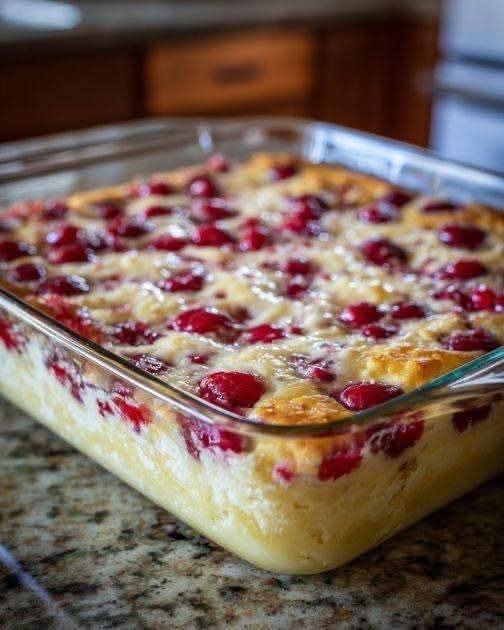
Cherry Dump Cake: The 3-Ingredient Dessert That’s Almost Too Easy
Discover the magic of Cherry Dump Cake! With just 3 ingredients and 5 minutes of prep, this impossibly easy dessert creates a golden, buttery topping over sweet, tart cherry filling. Perfect for last-minute craving Let me tell you about the dessert that saved my reputation as a baker. I love to bake. I really do.…
-
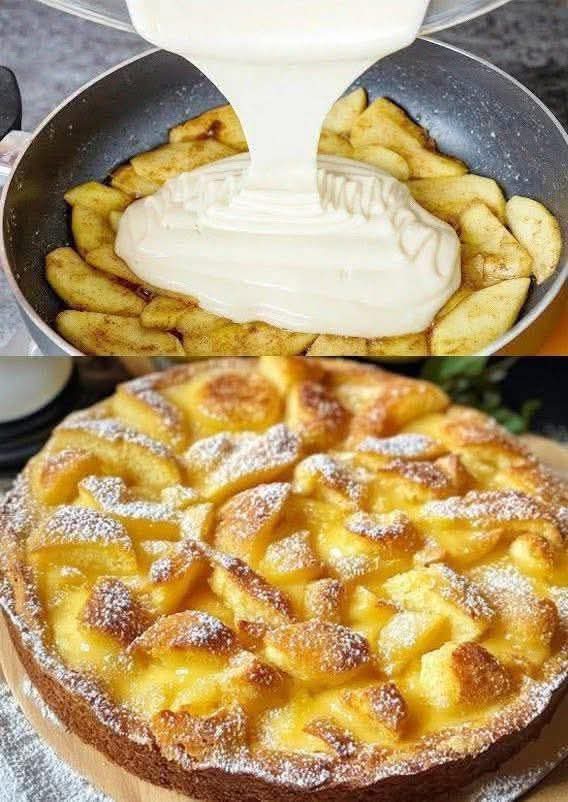
Apple Pie Prepared with Only 3 Apples and in 10 Minutes – It Drives Me Crazy!
Discover the magic of this incredible apple pie made with just 3 apples and ready in 10 minutes! It’s the easiest, most delicious dessert you’ll ever make. Perfect for last-minute cravings and unexpected guests. Let me tell you about the apple pie that changed my life. I know that sounds dramatic, but hear me out.…
-
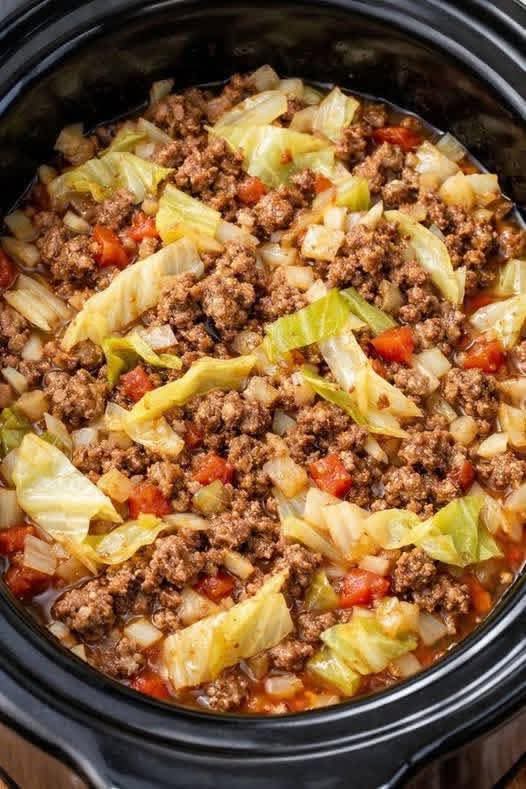
4 Ingredient Slow Cooker Unstuffed Cabbage Beef: The Easiest Comfort Food Ever
Discover the magic of 4-Ingredient Slow Cooker Unstuffed Cabbage Beef! All the flavor of traditional cabbage rolls without the fuss. Just toss it in the slow cooker and come home to a hearty, delicious dinner. Let me tell you about the recipe that saved my sanity on a hundred busy weeknights. I love cabbage rolls.…