
This keto brioche bread is soft, buttery, and low‑carb. Made with almond flour and coconut flour, it’s perfect for sandwiches, toast, or French toast. Includes expert tips and nutrition facts.
Let’s be honest: the hardest part of a low‑carb lifestyle isn’t giving up pasta or rice – it’s giving up good bread. That crusty, golden loaf that tears open into a pillowy, buttery crumb. For years, keto bakers have chased that dream, only to end up with dense, eggy bricks that crumble the second you try to spread butter on them.
That’s where keto brioche bread comes in. It’s the one low‑carb bread that actually delivers on the promise: soft, rich, slightly sweet, and sturdy enough for a sandwich or French toast. And the best part? You don’t need exotic ingredients or a culinary degree to make it.
Brioche is traditionally an enriched French bread, known for its high butter and egg content, which gives it a tender, flaky crumb. The keto version achieves the same luxury by replacing wheat flour with a strategic blend of low‑carb flours and binders that mimic gluten’s elasticity. The result is a loaf with only about 3 g net carbs per slice – but all the comfort of the original.
In this guide, I’ll give you a complete, tried‑and‑true keto brioche recipe, explain why each ingredient is essential (and what you can swap), share expert tips to avoid common pitfalls, and answer all your questions about storage, variations, and even bread‑machine instructions.
Let’s bake a brioche that won’t kick you out of ketosis.
What Makes Keto Brioche Different (and Better)
Most low‑carb breads fall into two camps: the “rubber sponge” or the “sawdust brick.” Keto brioche sidesteps both by leveraging the natural properties of almond flour, coconut flour, and psyllium husk – a combination that absorbs moisture, creates structure, and traps air bubbles for that signature soft crumb.
Unlike standard brioche, which relies on wheat gluten for its airy texture, this recipe uses psyllium husk powder as a cold‑gelling binder. When mixed with liquid, psyllium forms a gel that mimics the elasticity of gluten, preventing the dreaded crumble. Meanwhile, the high fat content (from butter, eggs, and almond flour) keeps the bread moist and tender.
The result? A loaf that toasts beautifully, slices cleanly, and tastes like a cheat meal – without the carbs.
Ingredient Deep Dive – Why Each One Is Essential
Let’s break down the ingredient list so you understand the “why” behind every component. This knowledge will help you troubleshoot and substitute confidently.
Almond Flour (2 cups)
Role: The low‑carb base. Almond flour provides a mild, nutty flavor and a tender crumb. Unlike wheat flour, it has zero gluten, so it won’t become tough if overmixed. However, it absorbs liquid differently – measuring carefully is key.
Why not coconut flour alone: Coconut flour is far more absorbent (it soaks up four times its weight in liquid). Using too much creates a dry, crumbly loaf. The combination of almond and coconut flours balances texture and moisture.
Pro tip: Use super‑fine, blanched almond flour, not almond meal (which has skins and a coarser grind). A kitchen scale is more accurate than measuring cups.
Coconut Flour (¼ cup)
Role: Structure and moisture absorption. Coconut flour helps the dough hold together and prevents the loaf from becoming greasy or dense. A little goes a long way – ¼ cup is plenty for this recipe.
Psyllium Husk Powder (2 tablespoons)
Role: The gluten mimic. Psyllium husk is a soluble fiber that, when mixed with liquid, forms a gel. This gel traps air bubbles, gives the dough elasticity, and prevents the bread from falling apart when sliced. Without psyllium, keto bread often turns out crumbly and flat.
Substitution: You can use xanthan gum (1 tsp) or glucomannan (1 tsp), but psyllium yields the best texture. If using whole psyllium husks instead of powder, increase the amount slightly and expect a darker, speckled loaf.
Baking Powder (2 teaspoons)
Role: Leavening. Baking powder creates carbon dioxide bubbles, helping the loaf rise. Because there’s no gluten to trap gas, the psyllium husk does the heavy lifting of holding those bubbles in place.
Eggs (5 large, or 4 large + 2 yolks)
Role: Richness, structure, and lift. Eggs are the backbone of brioche. The yolks add fat and tenderness; the whites provide protein for structure. For an even richer loaf, use 4 whole eggs plus 2 extra yolks.
Butter (¼ cup, melted, plus extra for brushing)
Role: The signature brioche flavor. Butter adds richness, moisture, and that melt‑in‑your‑mouth quality. For a dairy‑free version, substitute melted coconut oil or ghee (if tolerated).
Keto Sweetener (2 tablespoons, optional)
Role: Subtle sweetness. Traditional brioche is lightly sweetened. Use erythritol, allulose, or monk fruit. Powdered sweetener dissolves better and prevents a gritty texture.
Pro tip: If you’re making a savory brioche (for sandwiches or dinner rolls), you can omit the sweetener entirely.
Vanilla Extract (½ teaspoon, optional)
Role: Warmth and depth. A touch of vanilla rounds out the sweetness, especially if you plan to use the bread for French toast or jam.
Salt (¼ teaspoon)
Role: Flavor enhancer. Salt balances the sweetness and amplifies the buttery notes. Don’t skip it – unsalted keto bread tastes flat.
The Recipe – Classic Keto Brioche Bread
Prep time: 15 minutes
Bake time: 40–50 minutes
Cooling time: 1 hour (essential)
Total time: 2 hours (mostly inactive)
Yield: 12 slices (1 loaf)
Ingredients
Ingredient Amount Notes
Almond flour (super‑fine, blanched) 2 cups (200 g) Spooned and leveled, not packed
Coconut flour ¼ cup (30 g)
Psyllium husk powder 2 tbsp Not whole husks
Baking powder 2 tsp Aluminum‑free preferred
Salt ¼ tsp
Eggs (large, room temperature) 5 Or 4 eggs + 2 yolks for richer crumb
Unsalted butter, melted ¼ cup (60 g) Cooled slightly
Keto sweetener (erythritol or allulose) 2 tbsp Powdered for smoother texture
Vanilla extract (optional) ½ tsp
Egg yolk + 1 tbsp heavy cream For egg wash Optional, for golden top
Equipment
· 9×5‑inch loaf pan
· Parchment paper
· Large mixing bowl
· Medium bowl
· Whisk or electric mixer
· Rubber spatula
· Wire cooling rack
Step‑by‑Step Instructions
Step 1: Preheat and Prepare
Preheat your oven to 350°F (175°C). Line a 9×5‑inch loaf pan with parchment paper, leaving an overhang on the two long sides. This makes lifting the finished bread out much easier.
Step 2: Mix Dry Ingredients
In a large bowl, whisk together the almond flour, coconut flour, psyllium husk powder, baking powder, and salt. Make sure there are no clumps – especially in the psyllium and coconut flour, which tend to cluster.
Step 3: Mix Wet Ingredients
In a separate medium bowl, whisk the eggs until frothy and pale yellow (about 1 minute). Add the melted butter (cooled slightly so it doesn’t cook the eggs), sweetener, and vanilla extract. Whisk until smooth and fully combined.
Step 4: Combine Wet and Dry
Pour the wet mixture into the dry ingredients. Stir with a rubber spatula until a thick, sticky dough forms. At first it may look too wet – that’s normal. The psyllium will absorb liquid as you stir. Do not overmix; stop as soon as the flour is incorporated.
What to expect: The dough will be soft and sticky, not kneadable like traditional bread dough. That’s correct for a batter‑style keto bread.
Step 5: Rest the Dough
Let the dough rest in the bowl for 5–10 minutes. This allows the psyllium husk to fully hydrate, thickening the dough and making it easier to shape. After resting, the dough should hold its shape.
Step 6: Shape and Pan
Transfer the dough to the prepared loaf pan. Use moistened fingers or a spatula to spread and smooth the top evenly. The dough will fill about half the pan – it will rise during baking.
If desired, brush the top with an egg wash (1 egg yolk mixed with 1 tbsp heavy cream) for a glossy, golden‑brown crust. Sprinkle with sesame seeds or poppy seeds if you like.
Step 7: Bake
Bake for 40–50 minutes, or until the top is deeply golden and a toothpick inserted into the center comes out clean. If the top browns too quickly (common with keto bread due to the sugar in the sweetener), loosely tent the pan with aluminum foil after 25 minutes.
Check for doneness: Gently tap the bottom of the loaf – it should sound hollow. This is a more reliable test than a toothpick for keto bread, which can remain slightly moist inside even when fully baked.
Step 8: Cool Completely (This Is Crucial)
Let the bread cool in the pan for 10 minutes. Then, using the parchment overhang, lift the loaf out and transfer it to a wire rack. Allow it to cool completely – at least 1 hour, preferably 2 – before slicing.
Why this matters: Keto breads set their crumb as they cool. Slicing while warm will result in a gummy, crumbly mess. Patience pays off with clean, sturdy slices.
Step 9: Slice and Enjoy
Once fully cooled, use a serrated knife to slice the loaf. Store any leftovers properly (see Storage section).
Pro Tips for Perfect Keto Brioche (From Someone Who’s Failed a Lot)
- Use Room‑Temperature Ingredients
Cold eggs and melted butter that’s too hot can cause the dough to separate or cook the eggs prematurely. Let eggs sit on the counter for 30 minutes, and let melted butter cool until it’s just warm to the touch.
- Measure Almond Flour and Coconut Flour Correctly
These flours pack densely. The best method is to use a kitchen scale (200 g almond flour, 30 g coconut flour). If using cups, spoon the flour into the cup and level with a knife – never scoop directly from the bag. Too much coconut flour will make the bread dry and crumbly.
- Don’t Skip the Psyllium Husk
Psyllium is the single most important ingredient for texture. Without it, your bread will be dense and fall apart. If you can’t tolerate psyllium, substitute 1 tsp xanthan gum or 1 tsp glucomannan, but note that the texture will be less airy.
- Don’t Overmix
Overmixing deflates the air bubbles created by the baking powder, resulting in a dense, flat loaf. Mix just until the dry ingredients are incorporated – a few streaks of flour are fine.
- Let It Cool. Seriously.
I can’t emphasize this enough. The urge to slice into a warm, fragrant loaf is almost irresistible. Resist it. Cooling allows the psyllium gel to fully set, transforming the soft interior into a sliceable, toastable crumb.
Delicious Variations – Make It Your Own
Once you’ve mastered the classic loaf, try these twists.
Savory Herb & Garlic Brioche
Omit the sweetener and vanilla. Add 1 tbsp dried rosemary (or 2 tbsp fresh), 2 minced garlic cloves (sautéed briefly in butter), and ½ cup shredded Parmesan cheese to the dough. Perfect alongside soup or as dinner rolls.
Cinnamon Swirl Keto Brioche
Roll the dough into a rectangle, sprinkle with a mixture of 2 tbsp erythritol + 1 tbsp cinnamon, then roll up and place in the pan. Use a toothpick to swirl the filling. Serve with cream cheese frosting for a keto coffee cake.
Keto Brioche Buns
Instead of a loaf, divide the dough into 8–10 equal portions. Shape into balls, place on a parchment‑lined baking sheet, and flatten slightly. Bake at 350°F for 20–25 minutes. These make incredible burger buns or slider rolls.
Chocolate Chip Brioche
Fold ½ cup sugar‑free chocolate chips into the dough before panning. The chocolate will melt into gooey pockets. Add an extra 1 tbsp sweetener to balance the bitterness.
Dairy‑Free / Paleo
Replace butter with melted coconut oil (use refined for no coconut taste). Replace the egg wash with a brush of coconut milk. Note that the texture will be slightly denser.
Storage & Make‑Ahead Instructions
Room Temperature
Store sliced bread in an airtight container at room temperature for up to 3 days. Place a paper towel in the container to absorb excess moisture.
Refrigerator
Keto bread stays fresh longer in the fridge due to its high fat content. Store in a sealed container for up to 7 days. Toast slices directly from the fridge – no need to thaw.
Freezer
Keto brioche freezes beautifully. Slice the entire loaf, place parchment paper between slices, and store in a freezer bag for up to 3 months. Toast frozen slices at 350°F for 5–7 minutes, or pop directly in a toaster (watch closely – it browns fast).
Reheating Tips
For that fresh‑from‑the‑oven texture, reheat slices in a toaster oven or regular oven at 325°F for 5 minutes. A standard toaster works, but keep an eye on it – keto bread browns faster than wheat bread.
Nutrition Facts (Per Slice – 1/12 of loaf)
Nutrient Amount
Calories 185
Protein 7g
Fat 15g (mostly healthy monounsaturated from almonds)
Saturated Fat 5g
Carbohydrates 8g
Fiber 5g
Net Carbs 3g
Sugar 1g
Sodium 180mg
Nutritional information is an estimate and varies based on specific brands and sweeteners used.
Why this works for keto: With only 3g net carbs per slice, this bread fits comfortably into a standard 20‑g net‑carb daily limit. The high fat and protein content also promotes satiety, helping you feel full longer than conventional bread.
Frequently Asked Questions (FAQs)
Q: Can I make this bread dairy‑free?
Yes. Replace the butter with melted coconut oil (refined for a neutral taste). Use a dairy‑free egg wash or skip it. The texture will be slightly denser, but still delicious.
Q: Why is my keto bread gummy inside?
This is the #1 complaint with keto baking. The most common causes are:
· Slicing too soon – Wait at least 1–2 hours before cutting.
· Too much coconut flour – Coconut flour absorbs massive amounts of liquid; stick to ¼ cup.
· Underbaking – Keto bread needs a full 40–50 minutes; tent with foil if the top browns too fast.
Q: Can I use a bread machine?
Yes. Many keto bakers have success using the gluten‑free setting on their bread machine. Add wet ingredients first, then dry, and select a 1‑pound loaf cycle. Note that the loaf may be shorter than traditional bread.
Q: Can I substitute almond flour with something else?
Almond flour is the best option for texture. Sunflower seed flour works for a nut‑free version, but it will react with baking soda and turn green (harmless, but visually odd). Coconut flour cannot be used as a 1:1 substitute – it’s far too absorbent.
Q: Is this bread gluten‑free?
Yes, as written. Neither almond flour nor coconut flour contains gluten. However, if you add vital wheat gluten for extra structure, it is no longer gluten‑free.
Q: Can I add yeast for a more traditional rise?
You can, but it requires a different recipe. A yeasted keto brioche typically uses vital wheat gluten or lupin flour plus a small amount of inulin or honey to feed the yeast. The recipe in this article is baking‑powder leavened, which is simpler and more reliable for beginners.
Q: How do I make this bread less sweet?
Simply omit the sweetener entirely. The bread will still be rich and buttery, with just a hint of natural sweetness from the almond flour. It’s perfect for sandwiches or toast with savory toppings.
Q: My bread stuck to the pan – what went wrong?
Always line the pan with parchment paper – greasing alone often isn’t enough for keto breads, which can be sticky. Leave overhangs on two sides to lift the loaf out easily.
Troubleshooting – What Went Wrong?
Problem Likely Cause Fix Next Time
Dense, flat loaf Overmixed, or baking powder expired Mix just until combined; test baking powder with vinegar – it should fizz
Gummy, wet interior Sliced too early, or underbaked Cool completely; bake full 50 minutes; check with toothpick
Crumbly, falls apart Not enough psyllium husk, or too much coconut flour Measure psyllium carefully; reduce coconut flour to 3 tbsp
Bitter aftertaste Erythritol cooling effect, or baking soda residue Use powdered sweetener; ensure baking powder is fully mixed
Burnt top, raw middle Oven too hot, or pan too small Lower temp to 325°F; use a 9×5 loaf pan; tent with foil after 25 minutes
Greenish tint Used sunflower seed flour (harmless) Not a mistake – it’s a chemical reaction; add 1 tsp lemon juice to prevent
The Science of Keto Baking (Why This Works)
Keto breadmaking is fundamentally different from traditional baking. Wheat bread relies on gluten – a protein network that traps gas and gives dough its elasticity. Since keto breads cannot use wheat flour, they must mimic gluten’s function using other ingredients.
Psyllium husk is a soluble fiber that forms a cold‑setting gel when mixed with water. This gel provides the “stickiness” that holds the dough together, allowing it to trap air bubbles from the baking powder. In fact, in commercial keto formulations, psyllium husk powder is used at around 2% baker’s percentage specifically as a cold‑gelling binder.
Eggs provide additional structure and emulsification, while the high fat content from butter and almond flour keeps the crumb tender – fat shortens the protein strands, preventing the bread from becoming tough.
Almond flour is approximately 70% fat and 20% protein, with only about 5% carbohydrates. Coconut flour, by contrast, is roughly 60% fiber and 20% protein. The combination balances moisture absorption and creates a soft, sliceable crumb.
This is why you cannot simply swap almond flour for wheat flour – the chemistry is entirely different. But once you understand the roles of these ingredients, keto baking becomes predictable, not mysterious.
Final Thoughts – Real Bread Without the Regret
This keto brioche bread isn’t a compromise – it’s a genuine achievement in low‑carb baking. Soft, buttery, slightly sweet, and sturdy enough for a sandwich or a slab of French toast, it proves that you don’t have to choose between your health goals and your love of good bread.
The secret is in the ingredients: almond flour for tenderness, coconut flour for structure, and psyllium husk for that elusive “real bread” texture. Follow the tips, resist the urge to slice too early, and you’ll be rewarded with a loaf that tastes like it came from a Parisian boulangerie – minus the carb hangover.
Whether you’re keto, low‑carb, gluten‑free, or just someone who wants to eat a little cleaner without sacrificing joy, this bread belongs in your kitchen. Toast it. Sandwich it. French‑toast it. Or just tear off a chunk and eat it warm with butter.
You’ve earned it.
Now it’s your turn! Have you tried making keto brioche? What’s your favorite way to enjoy it – sweet or savory? Drop a comment below – I’d love to hear your creations.
And if you found this guide helpful, share it with a friend who misses bread on keto. Pin it for later, and subscribe to our newsletter for more foolproof low‑carb recipes.
Stay buttery, stay ketogenic, and never settle for sad bread again. 🍞🧈✨
Loved this recipe? Try our other keto baking favorites: Keto Cinnamon Rolls, Almond Flour Dinner Rolls, and Best Ever Keto Bagels.
More Recipes You Might Like
-
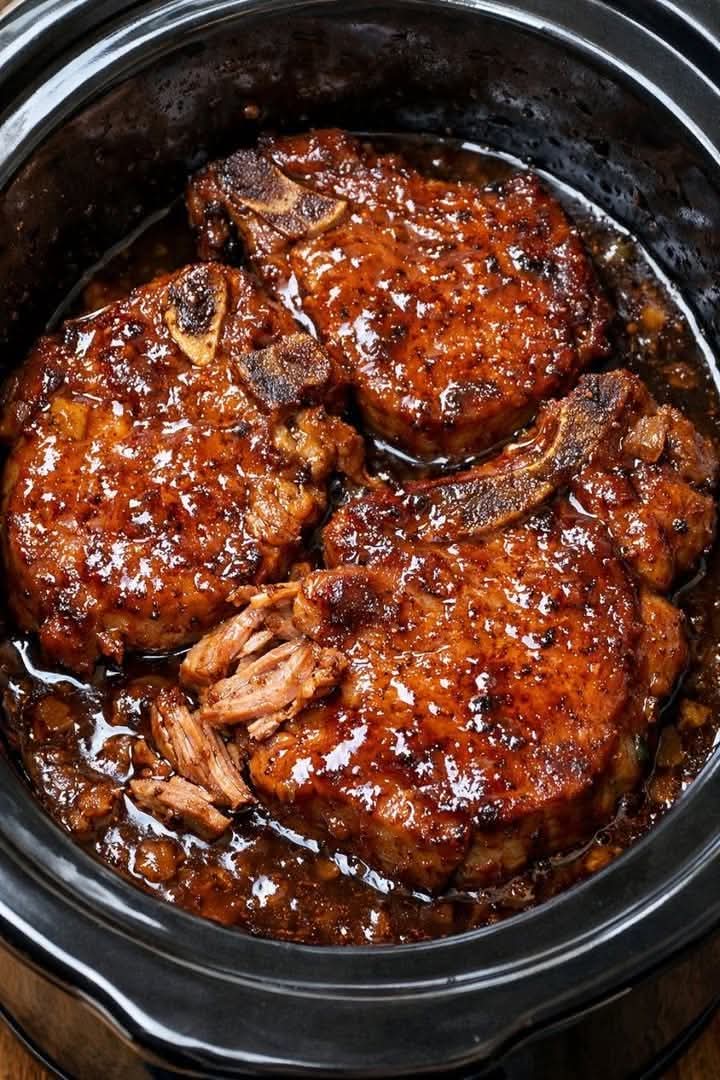
My Dad Passed Down This Cheap 4‑Ingredient Dinner Trick… The Most Melt‑in‑Your‑Mouth Meal You’ll Ever Make
This 4‑ingredient pork chop dinner is my dad’s secret recipe. Slow‑cooked with onion soup mix and barbecue sauce, it’s tender, budget‑friendly, and unforgettable. Perfect for busy families. Let’s be honest: the best recipes don’t come from celebrity chefs or glossy cookbooks. They come from family. From a parent who knew how to stretch a dollar…
-
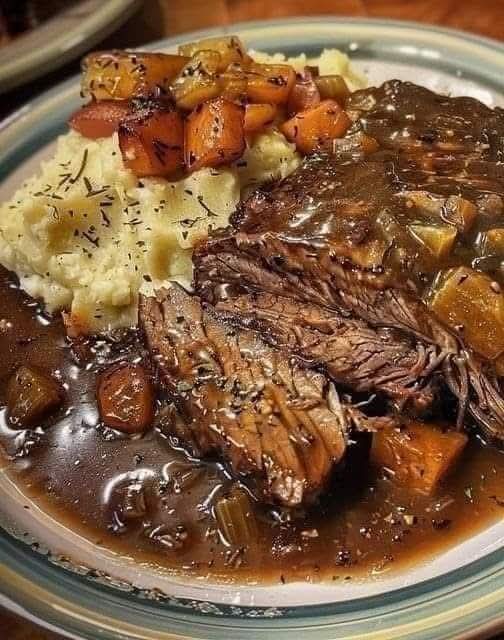
Beef and Gravy Over Mashed Potatoes – The Ultimate Comfort Food Classic
Creamy mashed potatoes topped with savory ground beef and rich homemade gravy. This beef and gravy recipe is easy, budget‑friendly, and ready in 45 minutes. Perfect weeknight dinner. Let’s be honest: some meals just feel like a hug on a plate. Beef and gravy over mashed potatoes is one of them. It’s the dinner your…
-
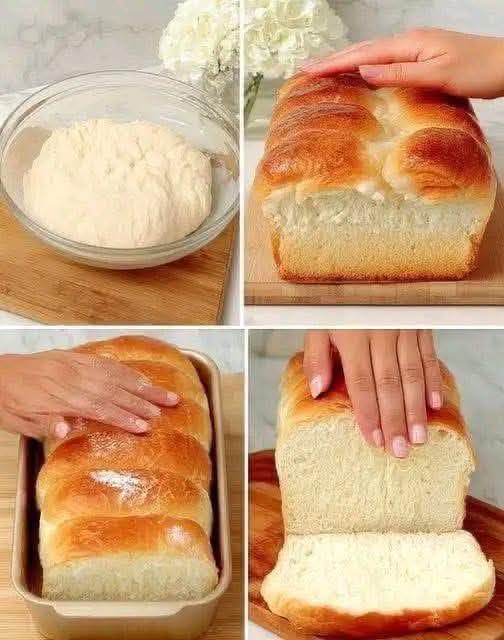
Keto Brioche Bread – Soft, Buttery, and Low‑Carb (No Crumble)
This keto brioche bread is soft, buttery, and low‑carb. Made with almond flour and coconut flour, it’s perfect for sandwiches, toast, or French toast. Includes expert tips and nutrition facts. Let’s be honest: the hardest part of a low‑carb lifestyle isn’t giving up pasta or rice – it’s giving up good bread. That crusty, golden…