

I’ll never forget the morning I walked into my kitchen, reached for the coffee maker, and watched a line of tiny black ants marching across the counter like they owned the place. They’d found a crumb I’d missed, and apparently told every ant in the neighborhood about it.
Then there was the time I opened my pantry and discovered cockroaches had made themselves at home in a box of pasta. The horror, the disgust, the feeling of violation—if you’ve been there, you know exactly what I’m talking about.
And mites? Those microscopic invaders that seem to appear from nowhere, taking up residence in your stored grains and flours, contaminating everything they touch?
I’ve dealt with them all. I’ve spent small fortunes on chemical sprays, traps, and exterminators. I’ve tried every internet hack, every “natural remedy,” every promise of pest-free living. Most of them failed. Some made things worse. A few actually worked.
But one hack stood above all others. One simple, inexpensive, almost absurdly easy method that actually, genuinely, permanently got rid of ants, mites, and cockroaches in my home.
The toothpaste hack.
Yes, toothpaste. That tube of minty freshness sitting in your bathroom cabinet right now. It turns out that the same ingredients that clean your teeth and freshen your breath are absolutely devastating to common household pests.
Today, I’m sharing everything I’ve learned about this remarkable method. How it works, why it works, and exactly how to use it to reclaim your home from unwanted invaders.
Why Toothpaste Works: The Science Behind the Hack
Before we dive into the how-to, let’s understand why toothpaste is so effective against pests.
The mint factor: Most toothpastes contain strong mint oils—peppermint, spearmint, wintergreen. These essential oils are natural insect repellents. In fact, peppermint oil is one of the most effective natural pesticides available. It disrupts the nervous systems of insects while being perfectly safe for humans and pets.
The scent confusion: Insects navigate largely by scent. The powerful, overwhelming aroma of mint masks the pheromone trails that ants use to communicate and follow. It literally confuses them, disrupting their ability to find food sources and return to their colonies.
The respiratory effect: For small insects like mites, the strong volatile compounds in mint oils can actually affect their respiratory systems, driving them away or killing them on contact.
The barrier properties: When toothpaste dries, it creates a physical barrier that many insects won’t cross. Combined with the scent, it’s like a force field against pests.
The ingredients: Many toothpastes contain other pest-unfriendly ingredients like baking soda, hydrogen peroxide, and various salts that can dehydrate and deter insects.
It’s non-toxic to humans and pets: Unlike chemical pesticides that fill your home with toxins, toothpaste is safe to use around food, children, and animals. You could literally eat it (though I wouldn’t recommend it).
The Basic Toothpaste Hack Method
Here’s the simplest version of the hack, suitable for most situations.
What You’ll Need:
· A tube of white toothpaste (avoid gels, sparkles, or whitening varieties—basic white toothpaste works best)
· Small pieces of cardboard or plastic lids (like bottle caps or jar lids)
· Cotton balls or cotton rounds (optional)
· Toothpicks or small spoons for application
The Basic Method:
Step 1: Identify the problem areas. Where are the ants coming in? Where have you seen cockroaches? Where do mites seem to congregate? Focus on entry points, along baseboards, near cracks and crevices, and around food storage areas.
Step 2: Apply small dabs of toothpaste directly to these areas. For baseboards and cracks, squeeze a thin line of toothpaste along the edge. For corners and entry points, create small pea-sized dabs every few inches.
Step 3: For a more targeted approach, squeeze toothpaste onto small pieces of cardboard or into plastic lids and place them in areas where you’ve seen pest activity. This works especially well for mites in pantries and cabinets.
Step 4: For ants, create a barrier by drawing a continuous line of toothpaste across their entry path. They won’t cross it.
Step 5: Refresh the toothpaste every 3-5 days, or after cleaning. The scent fades over time, and fresh toothpaste maintains its effectiveness.
The Enhanced Version: Toothpaste and Baking Soda
For stubborn infestations, this combination is even more powerful.
What You’ll Need:
· White toothpaste
· Baking soda
· Small container for mixing
· Cotton balls or small dishes
The Method:
Step 1: In a small container, mix equal parts toothpaste and baking soda. The baking soda adds extra pest-repelling power and helps the mixture adhere to surfaces.
Step 2: Apply the mixture to problem areas. For mites in pantries, place small amounts on cotton balls and tuck them into corners of shelves.
Step 3: For cockroaches, put the mixture in small lids and place them under appliances, behind furniture, and in cabinets.
Step 4: Replace every 3-4 days until pests are gone.
The Super-Strength Version: Toothpaste, Boric Acid, and Sugar
For serious infestations, this combination creates a bait that kills entire colonies.
⚠️ WARNING: Boric acid is toxic if ingested in large quantities. Keep away from children and pets. Use with extreme caution.
What You’ll Need:
· White toothpaste
· Boric acid powder (available at most drugstores and hardware stores)
· Sugar
· Small container for mixing
· Cardboard pieces or plastic lids
· Gloves for handling
The Method:
Step 1: Wearing gloves, mix 2 tablespoons toothpaste with 1 tablespoon boric acid and 1 teaspoon sugar. The sugar attracts the pests; the boric acid kills them; the toothpaste binds everything together and adds its own repellent properties.
Step 2: Place small dabs of the mixture on cardboard pieces or in plastic lids.
Step 3: Position the baits in areas where you’ve seen pest activity but out of reach of children and pets.
Step 4: The pests will be attracted to the sugar, consume the mixture, and carry it back to their nests, killing the colony.
Step 5: Replace baits weekly until no more pests appear.
Targeted Strategies for Specific Pests
For Ants:
Identify the trail: Follow the ants to find where they’re entering. This is usually a crack in a wall, window frame, or along baseboards.
Create a toothpaste barrier: Draw a thick line of toothpaste directly across their path. They won’t cross it.
Place bait stations: Put small dabs of the toothpaste-baking soda mixture on cardboard near the entry point. The ants will be attracted to it and carry it back to the colony.
Seal entry points: Once the ants are gone, use caulk to seal the cracks they were using.
Refresh regularly: Ant trails can persist, so keep toothpaste barriers in place for at least two weeks after the last ant sighting.
For Cockroaches:
Identify hiding spots: Cockroaches love warm, dark, moist areas. Check under sinks, behind refrigerators, under stoves, in cabinets, and behind appliances.
Create bait stations: Use the super-strength version with boric acid. Place small amounts in lids or on cardboard and tuck them into corners and crevices.
Apply toothpaste to entry points: Squeeze toothpaste along baseboards, around pipes, and in cracks where roaches might enter.
Don’t forget up high: Cockroaches can climb walls and ceilings. Check upper cabinets and behind pictures.
Be patient: Cockroach elimination takes time. You’re not just killing the ones you see—you’re poisoning the ones in the walls and nests. Keep bait stations in place for several weeks.
For Mites:
Identify the source: Mites often come from stored grains, flours, cereals, or pet food. Check all dry goods for signs of infestation.
Discard contaminated food: Anything with mites must go. Seal it in a plastic bag and dispose of it outside.
Clean thoroughly: Vacuum all shelves and corners. Wipe down with hot soapy water.
Apply toothpaste to cotton balls: Put small dabs of toothpaste on cotton balls and place them in corners of pantry shelves and cabinets. Replace weekly.
Store food properly: Transfer all dry goods to airtight glass or plastic containers. This prevents future infestations.
Monitor regularly: Check stored food frequently for any signs of return.
Preventative Measures That Work
The toothpaste hack is powerful, but combining it with good habits creates an unbeatable defense system.
- Eliminate Food Sources
· Store all food in airtight containers
· Clean up crumbs and spills immediately
· Don’t leave pet food out overnight
· Take out trash regularly and keep bins clean
· Wipe down counters and sweep floors daily
- Eliminate Water Sources
· Fix leaky faucets and pipes
· Don’t leave standing water in sinks
· Wipe down wet surfaces
· Keep under-sink areas dry
· Use dehumidifiers in damp basements
- Seal Entry Points
· Caulk cracks in walls, baseboards, and window frames
· Install door sweeps on exterior doors
· Repair damaged screens
· Seal gaps around pipes and wires
- Maintain Regular Toothpaste Barriers
Even without active infestations, a thin line of toothpaste along baseboards and in pantry corners acts as a powerful deterrent. Refresh monthly.
- Use Essential Oils
Add a few drops of peppermint, tea tree, or eucalyptus oil to your regular cleaning water. This creates an ongoing repellent effect.
Common Questions About the Toothpaste Hack
Does the type of toothpaste matter?
Yes, for best results. Use basic white toothpaste—not gel, not whitening, not sparkly. The classic formulas have the strongest mint oils and the right consistency. Avoid “natural” toothpastes that may lack the necessary ingredients.
How often should I replace the toothpaste?
Every 3-5 days, or after cleaning. The scent fades over time, and fresh toothpaste is more effective. If you see pests crossing a toothpaste line, it’s definitely time to refresh.
Is it safe around food?
Yes, toothpaste is non-toxic and safe to use in pantries and kitchens. However, keep it away from direct food contact. Place it on lids or cardboard rather than directly on shelves where food will sit.
Will it stain surfaces?
On most surfaces, toothpaste wipes away easily with a damp cloth. However, test on an inconspicuous area first, especially on porous or unsealed surfaces. Avoid using on unfinished wood or natural stone.
Can I use this with other pest control methods?
Absolutely. The toothpaste hack works well alongside other natural methods like diatomaceous earth, essential oils, and good sanitation practices. It can also complement professional pest control services.
How long until I see results?
For ants, you’ll often see immediate results—they’ll stop crossing toothpaste lines within hours. For cockroaches and mites, it may take a week or two of consistent application to see significant reduction. Complete elimination of established infestations can take several weeks.
Will this work for other pests?
Yes! The toothpaste hack is also effective against silverfish, earwigs, crickets, and many other common household pests. The same principles apply.
My Personal Success Story
I mentioned my kitchen ant invasion at the beginning of this article. That was my first test of the toothpaste hack. I was skeptical—it seemed too simple, too easy to be true.
But I was desperate. I’d tried sprays that filled my kitchen with toxic fumes and only seemed to make the ants angrier. I’d tried traps that caught a few but didn’t stop the march. I’d tried calling an exterminator who wanted hundreds of dollars and wouldn’t guarantee results.
So I grabbed the toothpaste from my bathroom—just plain white Crest—and squeezed a line along the baseboard where the ants were entering. I watched as the next wave of ants approached the line, hesitated, and turned back. They wouldn’t cross it.
I applied more in their trail. Within hours, the steady stream had dwindled to a few confused scouts. Within a day, there were no ants in my kitchen at all.
That was three years ago. I still keep toothpaste lines along my baseboards and refresh them monthly. I haven’t had an ant problem since.
The cockroach situation in my old apartment was more stubborn. It took several weeks of bait stations and careful application, but eventually, they too disappeared. The toothpaste-boric acid mixture was particularly effective—I’d find dead roaches near the bait stations, and gradually, they stopped appearing altogether.
And mites? The cotton ball method in my pantry has kept them away completely. I check my stored grains regularly, and they remain pristine.
Why Chemical Sprays Often Fail
Before we finish, let’s talk about why commercial pesticides often don’t work as well as this simple hack.
They kill on contact, not at the source: Sprays kill the pests you see but don’t affect the colony hiding in your walls. New waves keep coming.
They create resistance: Over time, pests can develop resistance to chemical pesticides. This is a real and growing problem.
They’re toxic to you and your family: Most sprays contain chemicals you don’t want in your air, on your surfaces, or near your food.
They repel but don’t eliminate: Many sprays drive pests deeper into your walls, where they continue to breed and eventually return.
They’re expensive: A tube of toothpaste costs a fraction of what you’ll spend on commercial products.
The Bottom Line
The toothpaste hack works. It’s simple, safe, and surprisingly effective. Whether you’re dealing with ants marching across your counter, cockroaches lurking in your cabinets, or mites infesting your pantry, this method offers a solution that’s gentle on your family and brutal on pests.
Give it a try. You have nothing to lose but a tube of toothpaste and everything to gain—a pest-free home, peace of mind, and the satisfaction of outsmarting the invaders without toxic chemicals.
Your kitchen counters are waiting.
Have you tried the toothpaste hack? What pests did it work for in your home? I’d love to hear about your experience in the comments below!
More Recipes You Might Like
-
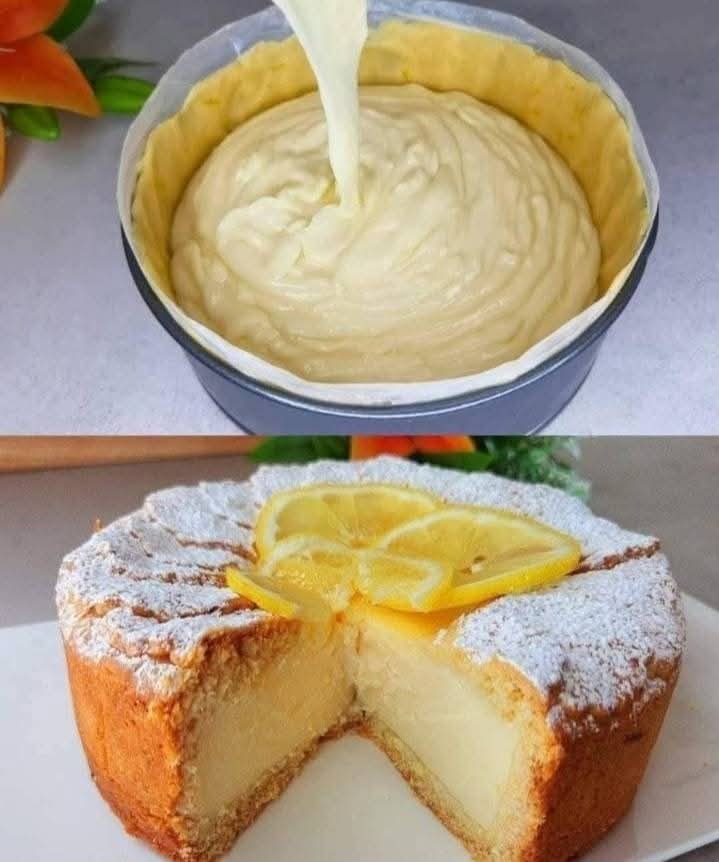
Italian Cloud Cake: The Most Loved Cake in Italy (You’ll Make It Every Week!)
Discover the magic of Italian Cloud Cake! This incredibly soft, buttery, lemon-scented cake lives up to its name—it’s light as a cloud. The most loved cake in Italy, and after one bite, you’ll understand why. Let me tell you about the cake that made me fall in love with Italian baking. I was wandering through…
-

DIY Aloe Vera Oil: The Natural Secret to Faster Hair Growth and Less Hair Loss
Learn how to make powerful aloe vera oil at home to combat hair fall and boost growth. We share 3 easy methods, pro tips, and the science behind why it works. Let me tell you about the moment I realized I needed to take my hair health into my own hands. After months of noticing…
-

Lemon and Garlic Chicken Bites: The 15-Minute Dinner That Disappears Fast
Discover the magic of Lemon and Garlic Chicken Bites! Juicy, golden chicken pieces coated in a luscious lemon garlic butter sauce. Ready in just 15 minutes, perfect for busy weeknights or party appetizers. Let me tell you about the recipe that has saved me on more busy weeknights than I can count. It was one…