
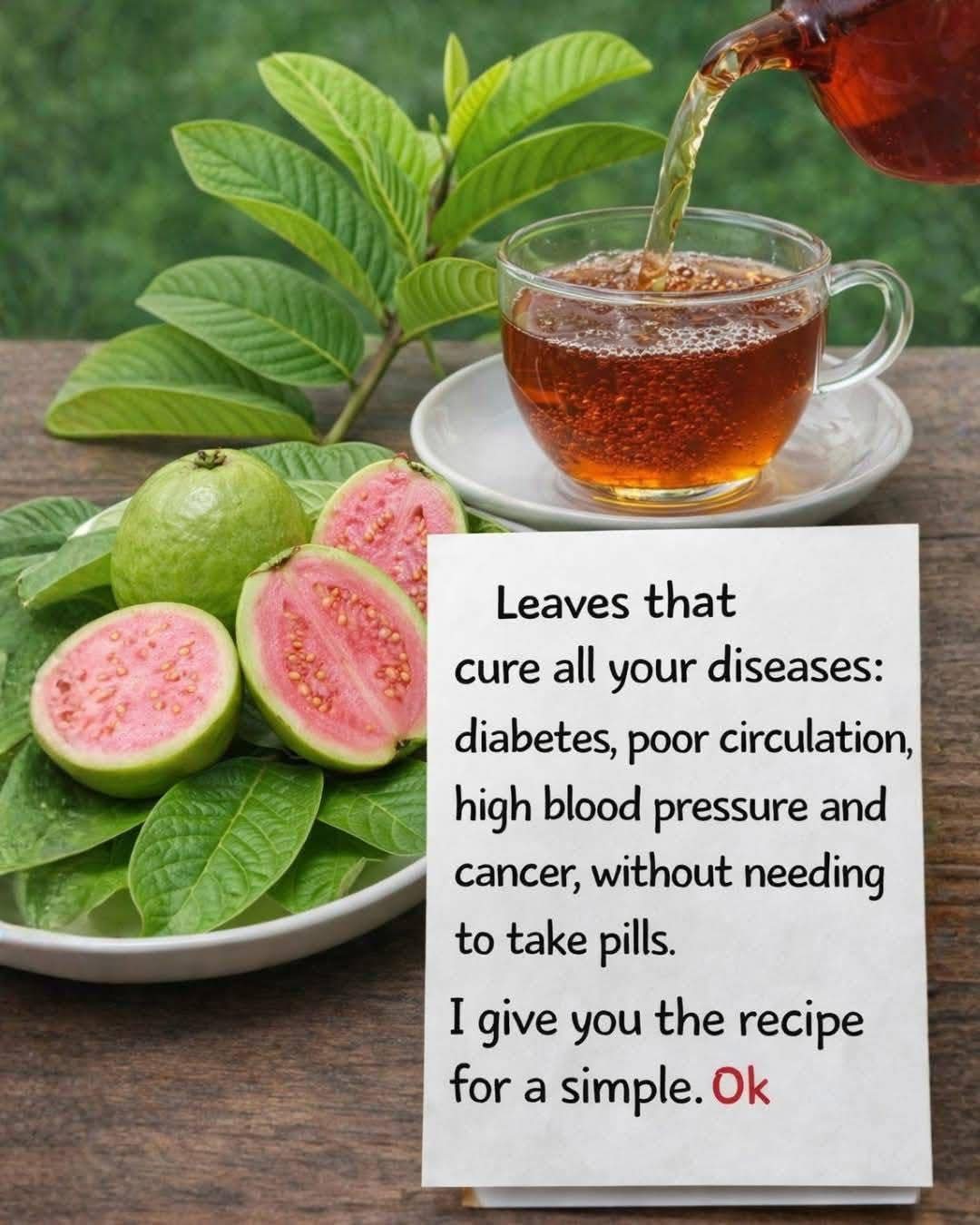
Guava leaf tea is praised for blood sugar support and antioxidants. But can it cure diabetes or high blood pressure? We separate science from hype. Safe recipe + real talk inside.
Let’s be honest: you’ve seen the posts. A lush green guava leaf, a sliced guava fruit, and a caption that promises everything from “natural diabetes cure” to “cancer killer.” The claims are bold, the engagement is high, and the hope is real.
But here’s the reality check: guava leaves are not a cure for anything. They are not a replacement for your blood pressure medication. They will not make your diabetes disappear. And they certainly won’t treat cancer.
That doesn’t mean guava leaves are useless. Far from it. Traditional medicine has used guava leaves for centuries, and modern science has confirmed some of their benefits – modest, supportive, and real. They contain antioxidants, have mild antibacterial properties, and may help with blood sugar control in a supportive way.
In this guide, I’ll give you an honest, science‑backed look at what guava leaves can and cannot do. You’ll learn how to make guava leaf tea safely, understand the limited research, and – most importantly – know when to rely on real medicine instead of herbal tea.
Let’s separate the viral hype from the healing reality.
What Are Guava Leaves? A Quick Introduction
Guava (Psidium guajava) is a tropical tree native to Mexico, Central America, and northern South America. Its fruit is beloved worldwide for its sweet, fragrant flesh. But the leaves – often discarded or overlooked – have a long history in traditional medicine.
In many cultures, guava leaves are boiled into a tea used for:
· Digestive issues (diarrhea, dysentery)
· Wound healing (crushed leaves applied topically)
· Oral health (chewed or used as a mouthwash)
· Blood sugar management (as a daily tea)
The leaves contain a variety of bioactive compounds: flavonoids (quercetin, rutin), tannins, polyphenols, and essential oils. These are responsible for the antioxidant, anti‑inflammatory, and antimicrobial properties that modern research is beginning to explore.
But – and this is a big “but” – traditional use does not equal scientific proof. And it certainly does not equal a cure for chronic disease.
What Guava Leaves CAN Do (The Real, Science‑Backed Benefits)
Let’s look at the evidence. The research is limited – mostly small human studies, animal studies, or lab experiments. But what exists is promising enough to say: guava leaves may offer supportive benefits when used correctly.
🍬 Blood Sugar Support (Most Promising Area)
What the research shows: Several studies have examined guava leaf extract’s effect on blood sugar.
· A 2021 systematic review of clinical trials found that guava leaf extract significantly reduced fasting blood glucose levels in people with type 2 diabetes compared to placebo.
· Another study in 2022 showed that drinking guava leaf tea after meals reduced post‑meal blood sugar spikes – potentially by inhibiting enzymes that break down carbohydrates (similar to how some diabetes medications work).
· Animal studies suggest guava leaf extract may improve insulin sensitivity.
The reality check: The effect is modest. In most studies, the reduction in fasting blood sugar ranged from 10–20 mg/dL – meaningful for someone with mild diabetes, but not a cure. Guava leaf tea should be seen as a supportive adjunct to diet, exercise, and prescribed medication – not a replacement.
Important: If you take diabetes medication (metformin, insulin, sulfonylureas), adding guava leaf tea could cause blood sugar to drop too low (hypoglycemia). Monitor your levels closely and talk to your doctor first.
❤️ Heart & Circulation Support
What the research shows: Guava leaves are rich in antioxidants, particularly quercetin and lycopene (yes, the same compound found in tomatoes).
· A 2018 study found that guava leaf extract reduced blood pressure in hypertensive rats – likely due to its ability to relax blood vessels (vasodilation).
· Human studies are sparse, but one small trial showed that drinking guava leaf tea for 12 weeks led to a modest reduction in LDL (“bad”) cholesterol and triglycerides.
· The antioxidant content helps reduce oxidative stress, which is linked to inflammation and artery damage.
The reality check: These effects are supportive, not curative. Guava leaf tea is not a proven treatment for high blood pressure or high cholesterol. It should not replace statins, blood pressure medications, or lifestyle changes like the DASH diet.
🦠 Antibacterial & Digestive Support
What the research shows: Guava leaf extract has demonstrated antibacterial activity in laboratory studies against several pathogens, including Salmonella, Staphylococcus aureus, and E. coli.
· Traditionally, guava leaf tea is used for diarrhea and dysentery. A 2019 study found that guava leaf extract reduced the duration and severity of infectious diarrhea in adults.
· The tannins in guava leaves have astringent properties, which can help tighten the intestinal lining and reduce fluid loss.
The reality check: These studies are small or lab‑based. Guava leaf tea may help with mild digestive upset, but it is not a treatment for serious bacterial infections. If you have bloody diarrhea, high fever, or symptoms lasting more than 2 days, see a doctor.
🌿 Other Potential (But Weakly Evidenced) Benefits
· Weight management: Some animal studies suggest guava leaf extract may reduce fat accumulation, but human evidence is lacking.
· Menstrual pain: Traditional use, but no clinical trials.
· Oral health: Guava leaf mouthwash may reduce plaque and gingivitis in small studies.
❌ What Guava Leaves DO NOT Do (The Dangerous Claims)
Let’s be absolutely clear. Viral posts often claim guava leaves can “cure” serious diseases. This is false and dangerous.
Claim Reality
Cures diabetes No. At best, modest blood sugar support. Diabetes is a chronic condition managed with medication, diet, and exercise.
Cures high blood pressure No. May offer a small BP reduction, but not a cure. Hypertension requires medical management.
Cures cancer Absolutely not. No human evidence. Relying on guava leaves instead of chemotherapy or surgery can be fatal.
Replaces diabetes or BP medication No. Stopping medication can lead to stroke, heart attack, or diabetic coma.
Works overnight No. Any effects are gradual and modest – if they occur at all.
Bottom line: Guava leaves are a wellness herb, not a medicine replacement. They belong in your kitchen, not your emergency room.
How to Make Guava Leaf Tea Safely (Simple Recipe)
If you enjoy the taste and want to try guava leaf tea for its mild, supportive benefits, here’s a safe, traditional recipe.
Simple Guava Leaf Tea
Ingredients:
· 5–7 fresh guava leaves (or 1–2 tablespoons dried leaves)
· 2 cups water
· Honey or lemon (optional, for taste)
Instructions:
- Rinse fresh guava leaves thoroughly to remove dirt or insects.
- Bring 2 cups of water to a boil in a small saucepan.
- Add the guava leaves.
- Reduce heat and simmer for 10 minutes. (Longer steeping = more bitterness, not more benefits.)
- Remove from heat and strain the leaves out.
- Add honey or lemon if desired.
- Drink warm.
Dosage: 1 cup per day is plenty. Do not exceed 2 cups.
When to drink: Some studies suggest drinking it after meals may help with post‑meal blood sugar spikes. Others drink it in the morning for general wellness.
How long to try: If you notice no benefit after 4 weeks, it’s unlikely to help you. Do not use it for months without medical supervision.
Important Safety Warnings (Do Not Ignore)
Guava leaf tea is safe for most people in moderate amounts. But “natural” does not mean “harmless.”
⚠️ Medication Interactions
· Diabetes medications (insulin, metformin, sulfonylureas): Guava leaf tea may lower blood sugar. Combined, this can cause hypoglycemia (sweating, shaking, confusion, fainting). Monitor your blood sugar closely.
· Blood pressure medications (ACE inhibitors, ARBs, beta‑blockers, diuretics): Guava leaves may lower blood pressure further, causing dizziness or fainting.
· Blood thinners (warfarin, apixaban, clopidogrel): High doses of guava leaf extract (more than tea) may affect clotting. Stick to 1 cup of tea.
⚠️ Who Should Avoid
· Pregnant or breastfeeding women: No safety data. Avoid or consult your doctor.
· People with upcoming surgery: Stop 2 weeks before to avoid potential bleeding or blood pressure issues.
· People with kidney disease: Guava leaves contain oxalates, which can contribute to kidney stones in susceptible individuals.
· People with known allergies to guava or related plants.
⚠️ General Precautions
· Do not stop your prescribed medications to start guava leaf tea.
· Do not use guava leaf tea to treat serious symptoms (chest pain, severe headache, unexplained weight loss, blood in stool).
· Do not give to infants or young children.
· Start with a small amount (half a cup) to see how your body reacts.
What Actually Works for Diabetes, High Blood Pressure, Cancer & Circulation
If you are dealing with any of these conditions, here is what evidence‑based medicine actually recommends – not a leaf tea.
For Diabetes (Type 2)
Intervention Effectiveness
Metformin (first‑line medication) Reduces A1c by 1.5–2%
Carbohydrate management (diet) Critical – reduces blood sugar spikes
Regular exercise Improves insulin sensitivity for 24+ hours
Weight loss (5–10% body weight) Can induce remission in early diabetes
GLP‑1 agonists / SGLT2 inhibitors Newer drugs with heart and kidney benefits
Guava leaf tea (as supplement) Modest support – not a treatment
For High Blood Pressure
Intervention Effectiveness
DASH diet Lowers BP by 5–11 mmHg
Sodium reduction (<2,300 mg/day) Lowers BP by 5–6 mmHg
Exercise (150 min/week) Lowers BP by 5–8 mmHg
Medication (ACE inhibitors, ARBs, CCBs, diuretics) Lowers BP by 10–20+ mmHg
Guava leaf tea Unproven in human BP trials
For Cancer
Intervention Effectiveness
Surgery Curative for solid tumors caught early
Chemotherapy / Radiation Kills cancer cells
Immunotherapy / Targeted therapy Newer, highly effective for certain cancers
Herbal teas (including guava) No evidence of cure. Can be dangerous if used instead of treatment.
For Poor Circulation
Intervention Effectiveness
Regular walking Improves collateral circulation in PAD
Smoking cessation Single most important step
Statins / antiplatelet drugs Reduce progression
Compression stockings For venous insufficiency
Guava leaf tea No proven benefit for serious circulatory disease
Frequently Asked Questions (FAQs)
Q: Can guava leaf tea cure diabetes?
No. There is no cure for type 2 diabetes (though remission is possible with major weight loss). Guava leaf tea may offer modest blood sugar support, but it is not a cure and should never replace your diabetes medication.
Q: How much guava leaf tea can I drink per day?
1 cup per day is sufficient. Some studies used up to 2 cups. Do not exceed 2 cups, as excessive tannins can cause constipation or stomach upset.
Q: Can I drink guava leaf tea while taking metformin?
Possibly, but with caution. Both can lower blood sugar. Monitor your levels closely for hypoglycemia. Tell your doctor you’re adding guava leaf tea.
Q: Is guava leaf tea safe during pregnancy?
No safety data. Avoid during pregnancy and breastfeeding unless your doctor approves.
Q: Can guava leaves treat diarrhea?
Traditionally, yes. Small studies suggest guava leaf extract may reduce the duration of infectious diarrhea. However, if diarrhea is severe, bloody, or accompanied by fever, see a doctor immediately.
Q: Can I use guava leaf tea for weight loss?
Unlikely. Animal studies suggest possible anti‑obesity effects, but no human trials. Do not rely on guava leaf tea for weight loss. Focus on calorie deficit and exercise.
Q: Can I chew raw guava leaves for oral health?
Some traditional use exists. However, raw leaves are tough and may contain compounds that irritate the mouth. Boiled tea as a mouthwash is safer.
Q: Why do viral posts claim guava leaves cure cancer?
Because they get engagement. Fear + hope + simplicity = viral spread. There is zero scientific evidence that guava leaves cure cancer in humans. Do not believe these posts.
Troubleshooting – Common Questions About Making Guava Leaf Tea
Issue Likely Cause Fix
Tea is too bitter Over‑steeped or too many leaves Simmer only 10 minutes; use 5–7 leaves max
Tea has no taste Not enough leaves or too much water Use 5–7 leaves for 2 cups; don’t dilute
Stomach upset after drinking Tannins on empty stomach Drink with food; reduce to 1 cup every other day
Constipation Excessive tannins Drink only 1 cup per day; increase water intake
Can’t find fresh guava leaves Not in your area Buy dried guava leaves online or from herbal shops
The Bottom Line – Honest Advice
Guava leaves are a traditional herbal remedy with some real, modest, science‑backed benefits. They contain antioxidants, may help with mild blood sugar support, and have been used for digestive issues for centuries.
But here’s the truth that viral posts won’t tell you:
· Guava leaves do not cure diabetes, high blood pressure, or cancer.
· They are not a replacement for your medication.
· The evidence is limited – mostly small studies or animal research.
· Relying on guava leaf tea instead of real medical care can be dangerous.
Enjoy guava leaf tea for what it is: a pleasant, antioxidant‑rich herbal beverage that might offer small supportive benefits. Drink it for the taste, for the ritual, for the warmth. But if you have a chronic disease, see a doctor. Take your medication. Follow evidence‑based treatment.
Your health is too important to trust to viral posts. Guava leaves are a supplement – not a savior.
Now it’s your turn! Have you tried guava leaf tea? Did you notice any effects – positive or negative? Share your honest experience in the comments below.
And if you found this guide helpful, share it with a friend who might be tempted by the “miracle cure” claims. Pin it for later, and subscribe to our newsletter for more evidence‑based, no‑hype health information.
Stay healthy, stay skeptical, and trust science – not social media. 🌿🍈✨
Disclaimer: This article is for informational purposes only and does not constitute medical advice. Always consult a qualified healthcare provider before making changes to your treatment plan or adding herbal remedies to your routine.
More Recipes You Might Like
-
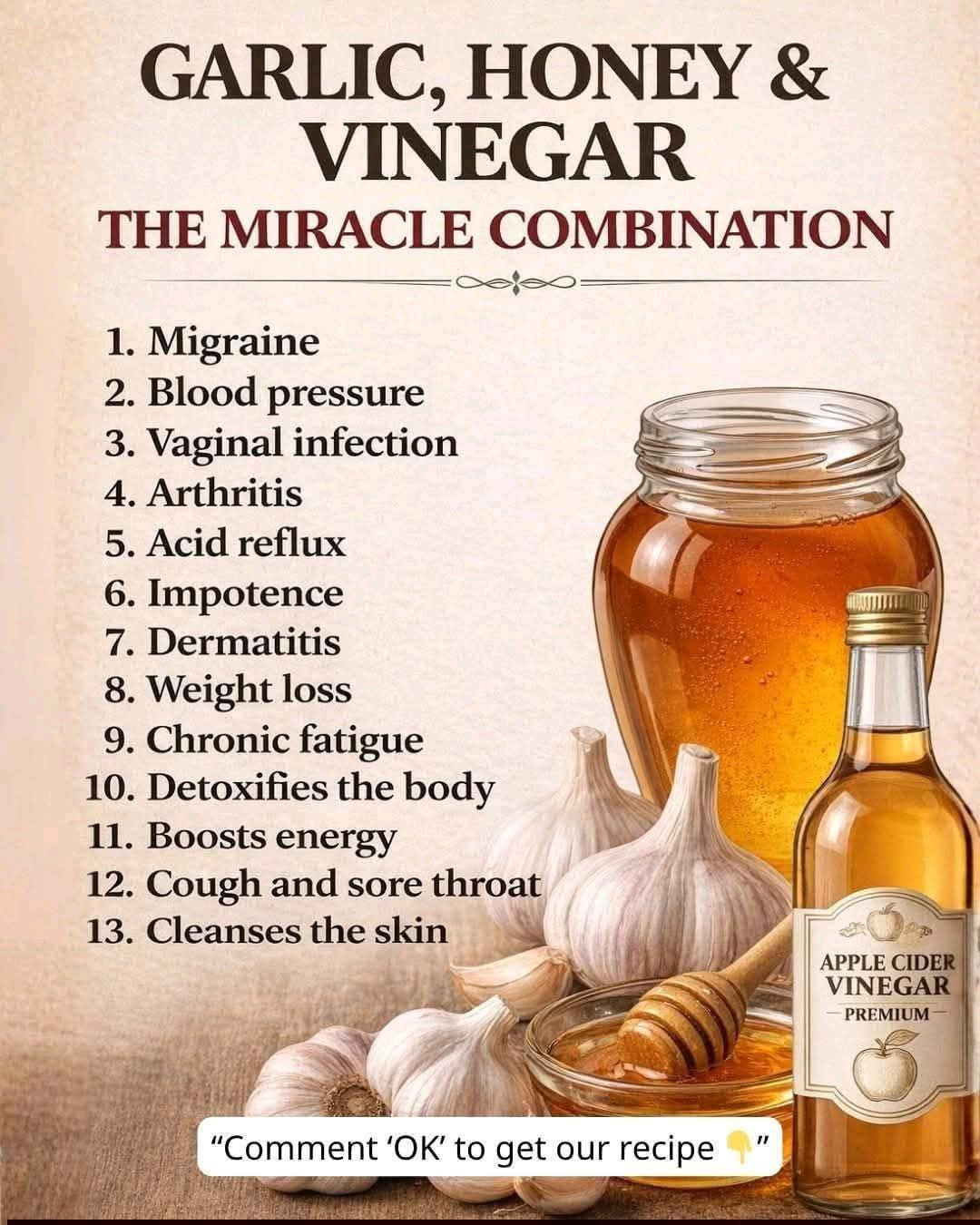
Garlic Honey And Vinegar: The Powerful Homemade Wellness Tonic Everyone Is Talking About
Garlic, honey, and apple cider vinegar tonic is a traditional wellness remedy. We separate science from hype, share an easy recipe, and explain what it can and cannot do for your health. Let’s be honest: you’ve seen the posts. A mason jar filled with golden liquid, floating garlic cloves, and a caption promising everything from…
-

Hearty Blueberry Breakfast Casserole – I Used to Skip Breakfast… Now I Look Forward to This 47g Protein Bomb Every Morning
This hearty blueberry breakfast casserole packs 47g of protein per serving. Meal prep friendly, naturally sweetened, and loaded with juicy blueberries. The healthy breakfast you’ll actually crave. Let’s be honest: breakfast is the easiest meal to skip. You’re not hungry yet, you’re rushing out the door, or you’re just bored of the same old yogurt…
-

Lemon Garlic Butter Chicken with Creamy Parmesan Pasta – A 30‑Minute Restaurant‑Worthy Dinner
Juicy lemon garlic butter chicken served over creamy Parmesan pasta. This one‑pan meal is rich, comforting, and ready in 30 minutes. Better than takeout – and easy enough for a weeknight. Let’s be honest: weeknight dinners can feel like a grind. You want something that feels special – creamy, savory, bright – but you don’t…