
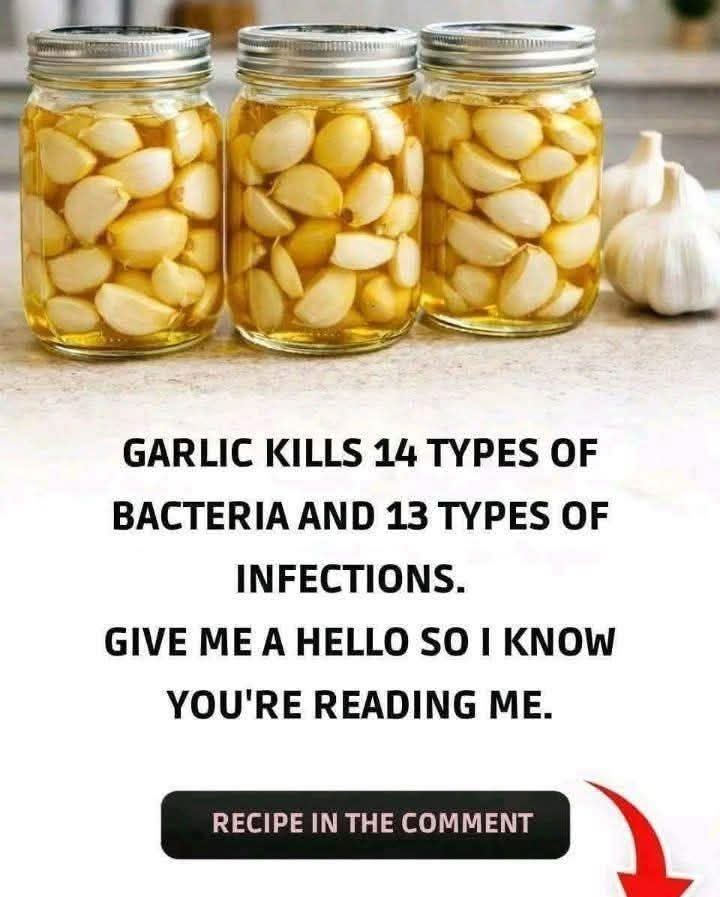
Does garlic really kill 14 types of bacteria and 13 infections? We separate fact from fiction. Learn what garlic can and cannot do, how to use it safely, and when to see a doctor.
Let’s be honest: you’ve seen the post. A bold, all‑caps graphic declaring “GARLIC KILLS 14 TYPES OF BACTERIA AND 13 TYPES OF INFECTIONS.” It demands a “HELLO” in the comments before revealing a secret recipe. It looks impressive. It sounds scientific. And it’s designed to do one thing: go viral.
But is it true?
Garlic (Allium sativum) has been used as medicine for thousands of years. Ancient Egyptians gave it to laborers building the pyramids to boost strength and ward off illness. Hippocrates, the father of Western medicine, prescribed garlic for infections, digestive issues, and even cancer. Modern science has confirmed that garlic contains compounds with real antimicrobial, antifungal, and immune‑supporting properties.
However, the claim that garlic “kills 14 types of bacteria and 13 types of infections” is a massive oversimplification – and in some contexts, misleading. Laboratory studies (in a petri dish) have shown that garlic extract can inhibit certain bacteria. But your body is not a petri dish. Eating raw garlic, rubbing it on your skin, or drinking “garlic water” will not cure a serious bacterial infection like strep throat, pneumonia, or sepsis.
In this guide, I’ll give you an honest, science‑backed look at what garlic can and cannot do for infections. You’ll learn the real active compounds, how to use garlic safely for general wellness, and – most importantly – when you need to see a doctor instead of relying on home remedies.
Let’s peel back the hype.
What’s Actually in Garlic? The Science of Allicin
Garlic’s medicinal reputation comes from sulfur‑containing compounds, the most famous being allicin.
How Allicin Works (In the Lab)
When you crush, chop, or chew a raw garlic clove, an enzyme called alliinase converts a precursor compound (alliin) into allicin. Allicin is unstable – it breaks down within minutes to form other sulfur compounds like ajoene, diallyl disulfide, and S‑allylcysteine.
In laboratory studies (test tubes and petri dishes), allicin and its derivatives have shown activity against:
· Bacteria: Including some strains of Staphylococcus, Streptococcus, E. coli, Salmonella, and Helicobacter pylori (the bacterium linked to stomach ulcers).
· Fungi: Including Candida albicans (yeast infections).
· Viruses: Some research suggests activity against cold viruses, though evidence is weak.
The Critical Caveat
In vitro (petri dish) activity does NOT equal in vivo (human body) effectiveness. Here’s why:
- Allicin breaks down rapidly – Within minutes of crushing garlic, allicin degrades. Your stomach acid further destroys it.
- Bioavailability is low – Very little of the active compounds reach your bloodstream in sufficient concentration to kill bacteria.
- Dosage is a problem – To get a “therapeutic” dose of allicin from raw garlic, you’d need to eat dozens of cloves – enough to cause severe stomach upset, burns, and bleeding risks.
So yes, garlic can kill bacteria in a test tube. But eating a few cloves will not sterilize an active infection in your body.
The Viral Claim: “14 Types of Bacteria and 13 Types of Infections” – Fact or Fiction?
Let’s break down where this number might come from.
A 2014 study (and several earlier ones) tested garlic extract against various bacterial strains in a laboratory. Some strains were inhibited. The number “14” and “13” appear to be a rounding up or misinterpretation of these studies. However:
· No single study has shown garlic killing 14 specific bacteria in a clinically relevant way.
· No human clinical trial has demonstrated that eating garlic cures 13 different types of infections.
· The claim is almost certainly cherry‑picked and exaggerated for social media engagement.
What the Research Actually Says (Human Studies)
Infection / Condition Evidence Level What Studies Show
Common cold Low Garlic supplements may slightly reduce cold duration (by about 1 day) and frequency, but results are inconsistent.
High blood pressure Moderate Aged garlic extract (standardized) may lower systolic BP by 5–10 points in people with mild hypertension.
High cholesterol Moderate Small reductions in LDL cholesterol (about 5–10%) with long‑term use.
H. pylori (stomach) Low to moderate Some studies suggest garlic may help alongside antibiotics, but not as a standalone treatment.
Athlete’s foot (topical) Very low Garlic juice has been used traditionally, but can cause chemical burns. Not recommended.
Vaginal yeast infections Very low No reliable human evidence. Do not insert garlic vaginally – it causes severe burns.
Bottom line: Garlic has modest, real health benefits – but it does NOT cure strep throat, pneumonia, ear infections, urinary tract infections (UTIs), or sepsis. Those require prescription antibiotics.
What Garlic CAN Actually Do (Realistic, No‑Hype)
Let’s be honest about garlic’s legitimate, evidence‑supported benefits.
✅ Supports Immune Function (Mildly)
Regular consumption of garlic (especially aged garlic extract) has been linked to fewer colds and shorter illness duration. The effect is modest – not a cure, but a helpful boost.
✅ May Slightly Lower Blood Pressure
Several meta‑analyses show that aged garlic extract (240–480 mg per day) can reduce systolic blood pressure by 5–10 mmHg in people with mild hypertension. This is comparable to some lifestyle changes.
✅ May Improve Cholesterol Profile
Long‑term garlic supplementation (at least 4 weeks) can lower total cholesterol and LDL (“bad”) cholesterol by a small but statistically significant amount.
✅ Prebiotic for Gut Health
Garlic acts as a prebiotic, feeding beneficial gut bacteria. A healthy microbiome supports overall immunity and digestion.
✅ Rich in Antioxidants
Garlic contains flavonoids and organosulfur compounds that reduce oxidative stress, which is linked to chronic diseases.
❌ What Garlic Does NOT Do
· Cure bacterial infections (strep, staph, pneumonia, UTIs, ear infections)
· Replace prescription antibiotics
· Cure viral infections (COVID, flu, herpes)
· Cure fungal infections internally (though topical use is risky)
· Work in 1 day (or even 13 days)
A SAFE Way to Use Garlic for General Wellness
You don’t need a “secret recipe” from a viral post. Here’s an honest, safe, and delicious way to incorporate garlic into your diet for its mild immune‑supporting benefits.
Garlic Honey (Fermented or Fresh)
This is a traditional preparation that preserves some of garlic’s beneficial compounds while making it palatable and gentler on the stomach.
Ingredients:
· 1 cup raw honey (unpasteurized is best)
· 8–10 cloves of fresh garlic, peeled and lightly crushed
Instructions:
- Peel the garlic cloves and lightly crush them with the flat side of a knife – this releases the allicin precursors.
- Place the cloves in a clean glass jar.
- Pour honey over the garlic until fully submerged. The honey should cover the cloves completely.
- Seal the jar. Let it sit at room temperature for 3–7 days. The honey will thin out and become more liquid as it draws moisture from the garlic.
- After a week, store in the refrigerator. Use within 1–2 months.
How to use:
· Eat 1 clove of garlic‑infused honey per day (swallow like a pill or chew – chewing is stronger).
· Use the honey in tea, on toast, or drizzled over roasted vegetables.
Does it cure infections? No. But it’s a delicious, traditional way to support general wellness.
Simple Garlic Broth (For Cold Season)
Ingredients:
· 4 cups chicken or vegetable broth
· 6–8 cloves garlic, crushed
· 1 inch fresh ginger, sliced
· 1 tablespoon lemon juice
· Salt and pepper to taste
Instructions:
- Simmer broth, crushed garlic, and ginger for 15 minutes.
- Strain (or leave the garlic pieces – they’ll be soft and edible).
- Add lemon juice and season to taste.
- Drink warm.
This is hydrating, comforting, and supports immune function – but it’s not a cure.
Important Safety Precautions – Garlic Can Be Dangerous
Garlic is safe in normal food amounts. But “natural” does not mean harmless. Here’s what you need to know.
❌ Do NOT swallow raw garlic cloves whole
This is a dangerous TikTok trend. Raw garlic cloves can get stuck in the esophagus, cause chemical burns, or even perforate the digestive tract. Multiple people have required emergency medical intervention.
❌ Do NOT put garlic inside your body (vagina, rectum, ears)
This causes severe chemical burns, blistering, and potential scarring. It is not a treatment for yeast infections or ear infections. Seek real medical care.
❌ Do NOT apply raw garlic to skin for more than a few minutes
Garlic can cause “garlic burn” – blisters, redness, and pain that can last for days. Even short contact (10–15 minutes) can cause damage.
⚠️ Garlic interacts with medications
· Blood thinners (warfarin, aspirin, clopidogrel) – Garlic can slow blood clotting, increasing bleeding risk.
· HIV medications (protease inhibitors) – Garlic supplements can reduce drug levels.
· Diabetes medications – Garlic may lower blood sugar; monitor closely.
· Cyclosporine (organ transplant) – Garlic can interfere.
⚠️ Who should be careful
· Pregnant or breastfeeding women – Small amounts in food are fine, but avoid high‑dose supplements or medicinal use.
· People with bleeding disorders – Avoid high doses.
· People scheduled for surgery – Stop garlic supplements at least 2 weeks before.
What Actually Works for Bacterial and Viral Infections
If you have a suspected infection, here’s what evidence‑based medicine recommends – not a viral garlic post.
Bacterial Infections (Strep throat, pneumonia, UTI, ear infections, staph)
· Antibiotics – Prescribed by a doctor based on the specific bacteria and sensitivity.
· Do not delay – Untreated strep can lead to rheumatic fever; untreated UTIs can spread to kidneys.
· Supportive care – Rest, hydration, fever reducers (acetaminophen, ibuprofen).
Viral Infections (Common cold, flu, COVID)
· Rest and hydration – The most important things.
· Over‑the‑counter symptom relief – Decongestants, pain relievers, cough suppressants.
· Antivirals – For flu or COVID in high‑risk individuals (prescription only).
· Vaccination – Prevention is far better than treatment.
Fungal Infections (Athlete’s foot, ringworm, yeast infections)
· Topical antifungals – Clotrimazole, miconazole, terbinafine (over‑the‑counter or prescription).
· Oral antifungals – For severe or recurrent infections (prescription only).
When to see a doctor immediately
· Fever over 103°F (39.4°C)
· Difficulty breathing
· Severe pain
· Symptoms that worsen or don’t improve after 3–5 days
· Signs of sepsis (confusion, rapid heart rate, extreme fatigue)
Frequently Asked Questions (FAQs)
Q: Can garlic cure a UTI (urinary tract infection)?
No. UTIs are usually caused by E. coli bacteria. While garlic shows activity in test tubes, there is no human evidence that eating garlic cures a UTI. Untreated UTIs can spread to the kidneys. See a doctor for antibiotics.
Q: Can garlic cure strep throat?
No. Strep throat is caused by Group A Streptococcus. It requires antibiotics (penicillin or amoxicillin) to prevent complications like rheumatic fever. Garlic will not cure it.
Q: Can garlic cure a yeast infection?
No. Do not insert garlic into the vagina – this causes severe burns. Over‑the‑counter antifungal creams or suppositories (miconazole, clotrimazole) are safe and effective. See a doctor if symptoms persist.
Q: Can I eat raw garlic every day for immune support?
Yes – in small amounts (1–2 cloves per day, crushed and mixed with food) is generally safe for most people. But it can cause heartburn, nausea, and body odor. Start with a small amount.
Q: Is aged garlic extract better than fresh?
For some purposes, yes. Aged garlic extract (AGE) is standardized and contains more stable, bioavailable compounds. It’s the form used in most blood pressure and cholesterol studies. Follow label directions.
Q: Why do viral posts say “give me a HELLO”?
It’s engagement bait. Comments boost the post in social media algorithms. The poster doesn’t care about your health – they care about views, shares, and potential future monetization.
Q: Can I give garlic to my dog or cat for infections?
No. Garlic is toxic to dogs and cats in sufficient quantities (it damages red blood cells). Never give garlic to pets without veterinary guidance.
Troubleshooting – Common Garlic “Remedy” Mistakes
Mistake Why It’s Dangerous Safe Alternative
Swallowing a raw clove whole Choking, esophageal burns, obstruction Crush and mix into honey or food
Garlic in ear for ear infection Chemical burns to ear canal, eardrum damage See a doctor for antibiotic ear drops
Garlic poultice left on skin overnight Severe blistering, chemical burns Apply for 5–10 minutes only; rinse thoroughly
Garlic water (boiled) Destroys active compounds, ineffective Use fresh crushed garlic in food or cold infusions
Garlic supplements without medical advice Bleeding risk with blood thinners Consult doctor before starting any supplement
The Bottom Line – Honest Advice
Garlic is a wonderful, flavorful, health‑supportive food. It has legitimate benefits for heart health, immune function, and gut health – when consumed as part of a balanced diet. The active compound allicin has real antimicrobial activity in laboratory settings.
But here’s the truth that viral posts won’t tell you:
· Eating garlic will not cure a serious bacterial infection.
· Delaying antibiotics for strep, pneumonia, or a UTI is dangerous.
· The “14 bacteria and 13 infections” claim is exaggerated and misleading.
· The “recipe in the comments” is usually engagement bait – not medical advice.
Enjoy garlic for its flavor and modest wellness benefits. Crush it into salad dressings, roast it with vegetables, ferment it in honey, or take a standardized aged garlic extract if you’re interested in cardiovascular support. But when you’re sick – really sick – see a doctor. Your health is too important to trust to a viral meme.
Now it’s your turn! Have you tried using garlic for an infection? Did it work – or did you end up needing antibiotics? Share your honest experience in the comments below.
And if you found this guide helpful, share it with a friend who’s been tempted by the “garlic miracle cure” posts. Pin it for later, and subscribe to our newsletter for more evidence‑based, no‑hype health information.
Stay well, stay skeptical, and trust science – not social media. 🧄✨
More Recipes You Might Like
-
Garlic Honey And Vinegar: The Powerful Homemade Wellness Tonic Everyone Is Talking About
Garlic, honey, and apple cider vinegar tonic is a traditional wellness remedy. We separate science from hype, share an easy recipe, and explain what it can and cannot do for your health. Let’s be honest: you’ve seen the posts. A mason jar filled with golden liquid, floating garlic cloves, and a caption promising everything from…
-

Hearty Blueberry Breakfast Casserole – I Used to Skip Breakfast… Now I Look Forward to This 47g Protein Bomb Every Morning
This hearty blueberry breakfast casserole packs 47g of protein per serving. Meal prep friendly, naturally sweetened, and loaded with juicy blueberries. The healthy breakfast you’ll actually crave. Let’s be honest: breakfast is the easiest meal to skip. You’re not hungry yet, you’re rushing out the door, or you’re just bored of the same old yogurt…
-

Lemon Garlic Butter Chicken with Creamy Parmesan Pasta – A 30‑Minute Restaurant‑Worthy Dinner
Juicy lemon garlic butter chicken served over creamy Parmesan pasta. This one‑pan meal is rich, comforting, and ready in 30 minutes. Better than takeout – and easy enough for a weeknight. Let’s be honest: weeknight dinners can feel like a grind. You want something that feels special – creamy, savory, bright – but you don’t…