
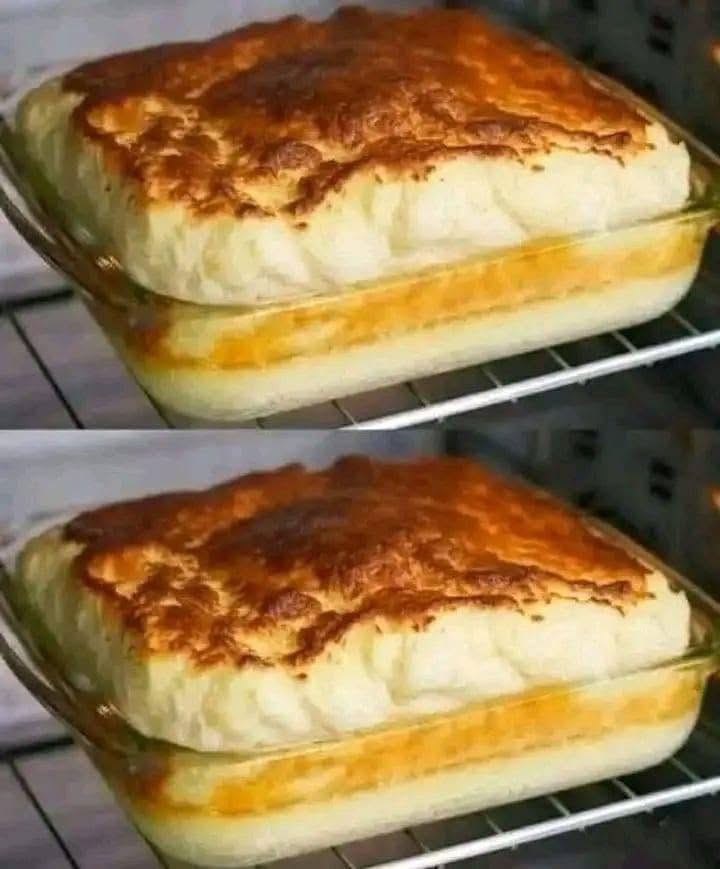
There are some dishes that have an undeserved reputation for being impossibly difficult. Soufflé is one of them. Mention it at a dinner party, and people’s eyes widen. They imagine temperamental eggs, complicated techniques, and the terror of a deflated dessert. They think it’s something only professional chefs in fancy restaurants can pull off.
Here’s the truth: a cheese soufflé is actually quite simple. With a few basic techniques and a little confidence, you can create a beautiful, puffy, golden masterpiece that will have your guests convinced you’re a culinary genius.
I still remember the first time I made a soufflé. I was nervous, convinced it would collapse the moment I opened the oven. But I followed the steps carefully, watched it rise through the oven door, and when I pulled it out, there it stood—tall, golden, and magnificent. My family gathered around, oohing and aahing, and when we dug in, the reaction was pure bliss.
Since then, cheese soufflé has become my secret weapon for impressing guests. It looks like you spent hours, but it comes together in about 45 minutes. It’s elegant enough for a dinner party but comforting enough for a cozy night in.
Today, I’m sharing everything I need to know about making the perfect baked cheese soufflé.
What Exactly Is a Soufflé?
A soufflé is a baked egg-based dish that puffs up dramatically in the oven. The word “soufflé” comes from the French verb “souffler,” meaning “to blow” or “to puff.” And that’s exactly what it does—the beaten egg whites create air bubbles that expand in the oven’s heat, lifting the soufflé high above its dish.
Soufflés can be sweet or savory. The most famous sweet version is chocolate soufflé, but savory cheese soufflé is equally beloved. It’s essentially a cheese sauce lightened with whipped egg whites and baked until puffy and golden.
The magic of a soufflé is in its texture. The exterior should be golden and slightly crisp, while the interior remains soft, creamy, and almost custard-like. It’s a study in contrasts that makes every bite interesting.
Why You’ll Love This Cheese Soufflé
Impressive and elegant. This looks like something from a French bistro. Your guests will be amazed.
Deliciously cheesy. Rich, savory, and packed with cheese flavor. It’s comfort food elevated.
Lighter than you’d expect. Despite all that cheese, the whipped egg whites make it surprisingly light and airy.
Versatile. Serve it as a main course with a salad, as a side dish, or even as an appetizer in smaller portions.
Surprisingly simple. With a few key techniques, anyone can master soufflé.
Customizable. Use different cheeses, add herbs, make it your own.
Perfect for special occasions. Easter brunch, Mother’s Day, dinner parties—this dish fits every celebration.
Better than restaurant versions. Homemade, fresh from your oven, is always best.
The Complete Ingredient Breakdown
For the Soufflé Base:
3 tablespoons unsalted butter, plus more for greasing the dish
Butter serves two purposes here: it’s the foundation of the roux that thickens the soufflé, and it’s essential for preparing the dish. Don’t skimp on greasing—the soufflé needs to climb those buttery walls.
3 tablespoons all-purpose flour
This creates the roux that thickens the base. All-purpose flour works perfectly.
1 cup whole milk, warmed
Warm milk incorporates more smoothly into the roux. Whole milk gives the richest result—don’t use skim.
¼ teaspoon salt
⅛ teaspoon black pepper
⅛ teaspoon cayenne pepper (optional)
A tiny bit of cayenne adds warmth without making the soufflé spicy. It enhances the cheese flavor.
⅛ teaspoon ground nutmeg
Nutmeg is the secret ingredient in many cheese sauces. It adds an almost undetectable warmth that makes everything taste more cheesy.
1 cup (about 4 ounces) grated cheese
The cheese is the star. Choose a good melting cheese with plenty of flavor.
Best cheese choices:
· Gruyère: The classic Swiss cheese for soufflé. Nutty, rich, melts beautifully.
· Sharp cheddar: Adds bold, tangy flavor. Use aged cheddar for best results.
· Parmesan: Adds salty, nutty depth. Best combined with another cheese.
· Comté: Similar to Gruyère, wonderful in soufflés.
· Fontina: Creamy and melts beautifully.
A combination of cheeses works wonderfully—try Gruyère with a little Parmesan.
4 large eggs, separated
Separating the eggs is crucial. The yolks enrich the base; the whites are whipped and folded in to create the lift.
¼ teaspoon cream of tartar (optional)
Cream of tartar stabilizes the egg whites and helps them hold their volume. It’s not essential but very helpful.
For the Dish:
1 tablespoon grated Parmesan cheese (for coating the dish)
Coating the buttered dish with Parmesan adds flavor and helps the soufflé climb.
Step-by-Step Instructions
Step 1: Prepare the Dish
Preheat your oven to 375°F (190°C). Position a rack in the lower third of the oven.
Generously butter a 1½-quart soufflé dish or 4-6 individual ramekins. Use upward strokes to create ridges—this helps the soufflé climb.
Sprinkle the grated Parmesan into the dish and tilt to coat the buttered surfaces. Tap out any excess. This flavorful coating adds another layer of cheesy goodness and helps the soufflé rise evenly.
Place the prepared dish on a baking sheet for easy handling.
Step 2: Make the Roux
In a medium saucepan, melt the butter over medium heat. Add the flour and cook, stirring constantly, for 2-3 minutes. This cooks out the raw flour taste and creates a smooth paste. Do not let it brown.
Step 3: Add the Milk
Gradually whisk in the warm milk, stirring constantly to prevent lumps. Continue whisking until the mixture comes to a simmer and thickens, about 3-5 minutes. It should be smooth and thick, like a béchamel sauce.
Step 4: Add Seasonings and Cheese
Remove the pan from heat. Whisk in the salt, pepper, cayenne, and nutmeg.
Add the grated cheese and stir until completely melted and smooth. The mixture should be thick and glossy.
Step 5: Add the Egg Yolks
In a small bowl, lightly beat the egg yolks. Gradually whisk about ½ cup of the hot cheese sauce into the yolks to temper them—this prevents them from scrambling when added to the hot mixture.
Pour the tempered yolk mixture back into the saucepan and whisk until well combined. Set aside to cool slightly while you whip the egg whites.
Step 6: Whip the Egg Whites
In a large, clean bowl (preferably metal or glass), combine the egg whites and cream of tartar (if using). Using an electric mixer, beat on medium speed until soft peaks form. The peaks should be soft and droopy, not stiff.
Gradually increase speed to high and continue beating until stiff, glossy peaks form. The peaks should stand straight up when you lift the beater.
Important: The bowl and beaters must be completely clean and free of any grease. Any fat will prevent the whites from whipping properly. Also, make sure no trace of yolk gets into the whites.
Step 7: Fold It Together
This is the most delicate step. Add about one-third of the whipped egg whites to the cheese base and fold gently with a rubber spatula to lighten the mixture. Don’t worry about being too gentle here—this first addition is meant to loosen things up.
Add the remaining egg whites and fold gently until no white streaks remain. Be careful not to deflate the whites—you want to keep as much air as possible. Use a gentle, sweeping motion: cut down through the center, scrape along the bottom, and bring up the side. Rotate the bowl as you go.
Step 8: Transfer to Dish
Gently pour the mixture into your prepared soufflé dish. It will fill the dish almost to the top—that’s fine. The soufflé will rise above the rim as it bakes.
Run your thumb around the inside rim of the dish to create a slight groove. This helps the soufflé rise straight up rather than cracking unevenly.
Step 9: Bake
Place the baking sheet with the soufflé in the preheated oven. Immediately reduce the temperature to 350°F (175°C).
Bake for 25-30 minutes for a large soufflé, or 15-18 minutes for individual ramekins. The soufflé should be puffed high, golden brown on top, and still slightly jiggly in the very center.
Do not open the oven during the first 20 minutes of baking. The sudden rush of cool air can cause the soufflé to collapse.
Step 10: Serve Immediately
Remove the soufflé from the oven and rush it to the table. Soufflés wait for no one—they begin to deflate within minutes.
To serve, use two forks to gently pull apart the top, revealing that soft, creamy interior. Spoon onto plates and serve immediately.
The Science Behind Perfect Soufflé
Whipped egg whites are the engine. The air bubbles trapped in the egg whites expand in the oven’s heat, causing the soufflé to rise. Properly whipped whites are essential.
Fat is the enemy of egg whites. Any grease in your bowl or on your beaters will prevent the whites from whipping properly. Start with perfectly clean equipment.
Tempering prevents scrambling. Adding hot liquid directly to egg yolks can cook them. Tempering—gradually adding hot liquid while whisking—raises their temperature slowly and safely.
Folding preserves air. A gentle hand keeps those precious air bubbles intact. Use a spatula and a gentle, sweeping motion.
The dish matters. The straight sides of a soufflé dish guide the soufflé upward. The butter and cheese coating helps it climb.
Hot oven, then reduced. The initial high heat creates maximum oven spring; the reduced temperature finishes cooking the interior without burning the outside.
Troubleshooting Common Issues
My Soufflé Didn’t Rise
Several possible causes:
· Egg whites weren’t whipped enough
· Egg whites were deflated during folding
· Oven temperature was too low
· Opened the oven door too soon
My Soufflé Collapsed Immediately
Some deflation is normal, but immediate collapse usually means it was underbaked. The center should be just set enough to hold structure.
My Soufflé Is Grainy
The cheese sauce may have been too hot when the eggs were added, causing them to scramble slightly. Next time, let the base cool a bit before adding yolks.
The Top Cracked
Some cracking is normal and even desirable—it adds character. If it’s excessive, your oven may have been too hot.
It’s Too Dense
Either the egg whites were deflated, or the base was too thick. Next time, fold more gently and ensure your roux isn’t over-thickened.
It Tastes Eggy
Use plenty of cheese and seasoning. Nutmeg and cayenne help mask any egginess. Fresh, high-quality eggs also make a difference.
Delicious Variations
Once you’ve mastered the classic, try these variations.
Three-Cheese Soufflé
Use a combination of Gruyère, sharp cheddar, and Parmesan. The blend creates incredible depth.
Herb and Cheese Soufflé
Add 2 tablespoons fresh chopped herbs (chives, parsley, thyme) to the cheese base. Herbs add freshness and color.
Ham and Cheese Soufflé
Add ½ cup finely diced ham along with the cheese. Ham and cheese are a classic pairing.
Spinach and Cheese Soufflé
Add ½ cup cooked, well-drained chopped spinach to the base. The green specks are beautiful, and the flavor is wonderful.
Mushroom and Cheese Soufflé
Sauté ½ cup finely chopped mushrooms and add to the base. Earthy and delicious.
Goat Cheese and Herb Soufflé
Replace half the Gruyère with soft goat cheese. The tangy goat cheese is wonderful with herbs.
Smoked Salmon and Dill Soufflé
Add ¼ cup chopped smoked salmon and 2 tablespoons fresh dill. Elegant and special.
Individual Soufflés
Divide the mixture among 4-6 buttered and coated ramekins. Reduce baking time to 15-18 minutes.
What to Serve With Cheese Soufflé
Simple green salad: With a bright vinaigrette to cut through the richness.
Crusty bread: For sopping up every last bit of that creamy interior.
Roasted asparagus: The perfect springtime pairing.
Sautéed mushrooms: Earthy and wonderful alongside.
Fresh fruit: A simple fruit salad or poached pears.
White wine: A crisp Sauvignon Blanc or unoaked Chardonnay.
More cheese: Because you can never have too much.
Storage and Make-Ahead Tips
Soufflés do not wait. They begin to deflate within minutes of coming out of the oven. Plan to serve immediately.
Can you make soufflé ahead? Not really. But you can prepare the base (through step 5) up to a day ahead. Bring to room temperature, whip the egg whites fresh, and proceed.
Leftovers? If you somehow have leftovers, they won’t be puffy, but they’ll still taste delicious. Eat them at room temperature or reheat gently.
Freezing is not recommended. The texture will be completely destroyed.
Why Soufflé Deserves Its Special Place in Cooking
There’s something magical about a soufflé. It’s not just food—it’s an event. The anticipation as it bakes, the gasp when you pull it from the oven, the careful first spoonful that reveals that ethereal interior.
Soufflés have a reputation for being temperamental, but I think that’s part of their charm. They demand attention, respect, and a little bit of courage. They remind us that cooking is both science and art, that success comes from understanding and care.
And when you nail it—when that golden beauty rises tall and proud—there’s a sense of accomplishment that few other dishes can match.
This cheese soufflé is your entry into that world. Master it, and you’ll have a dish that will impress for years to come.
Why This Recipe Deserves a Place in Your Repertoire
This Baked Cheese Soufflé represents everything I love about cooking. It’s elegant and impressive but built on simple techniques. It transforms basic ingredients into something extraordinary. It’s a dish that makes people stop and take notice.
I’ve made this soufflé for dinner parties where it was the star of the show. I’ve made it for quiet nights at home when I wanted something special. I’ve made it for Easter brunch and Mother’s Day and birthday celebrations.
Every single time, it delivers. Every single time, people can’t believe something so beautiful came from my kitchen.
There’s something about that first spoonful—the contrast between the golden crust and the soft, creamy interior, the rich cheese flavor, the airy texture that seems to melt on your tongue. It’s pure magic.
This recipe has become a staple in my cooking repertoire for good reason. It’s reliable, impressive, and always delicious.
And now it can be that for you too.
So butter that dish. Grate that cheese. Whip those egg whites. And get ready to experience the magic of a perfect cheese soufflé.
You’re about to become a soufflé master.
Have you made this Baked Cheese Soufflé? What’s your favorite cheese combination? I’d love to hear about your experience in the comments below!
More Recipes You Might Like
-

Sandwich Crust Garlic Rolls – The Zero-Waste Appetizer You’ll Make Again and Again
Don’t throw away your sandwich crusts! Turn them into crispy, buttery garlic rolls in minutes. This zero-waste recipe is perfect for snacks, soups, or party appetizers. Let’s be honest: how many sandwich crusts have you tossed in the trash over the years? If you have kids (or picky adults) at home, the answer is probably…
-

Hospital Emptying Drink: What Science Really Says About This Healthy Blend
“hospital emptying” drinks promise to cure everything from cancer to high blood pressure. We separate fact from fiction, examine the science behind soursop, hibiscus, and turmeric, and offer a safe, realistic recipe. Let’s be honest: every few months, the internet finds a new “miracle drink.” One week it’s a detox tonic. The next, it’s a…
-

Air Fryer Sliced Potatoes – Crispy, Golden, and Ready in 20 Minutes
These air fryer sliced potatoes are crispy on the outside, tender on the inside, and ready in 20 minutes. Perfect for a quick side dish, breakfast hash, or snack. Only 4 ingredients! Let’s be honest: roasted potatoes are a comfort food classic. But who has time to wait 45 minutes for the oven to do…