
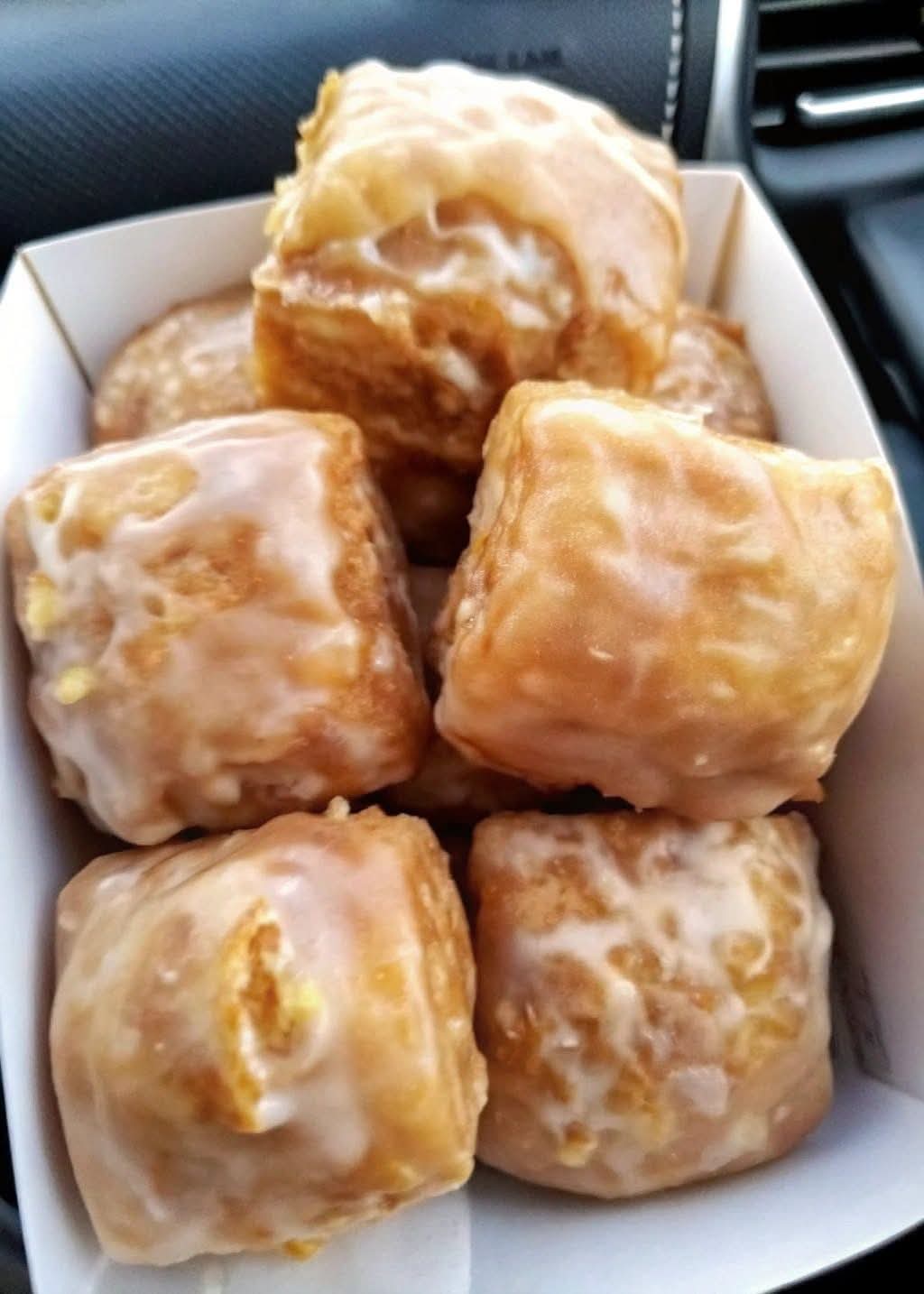
Pillowy, golden, and dusted with a mountain of powdered sugar – these classic New Orleans beignets are the ultimate indulgence. Perfect for Mardi Gras, Sunday brunch, or any day you need a little taste of the Big Easy.
If there’s one dessert that defines the spirit of New Orleans, it’s the beignet – a pillowy, deep‑fried square of dough, dusted with a generous cloud of powdered sugar. These iconic treats are a staple of the French Quarter, most famously served at Café du Monde, where locals and tourists alike line up for a taste of this Southern classic. This recipe brings that magic to your kitchen, with a light, airy dough that puffs up beautifully when fried, creating a crispy exterior and a soft, tender interior that’s pure perfection.
This recipe is a cherished family favourite, passed down and perfected over the years. The dough is enriched with butter, a touch of nutmeg and cinnamon, and a hint of sweetness from both brown and granulated sugar. The result is a beignet that’s flavourful, fluffy, and utterly irresistible. Serve them warm, with a cup of café au lait, and you’ll feel like you’re sitting in the heart of the French Quarter. Don’t lose this recipe – it’s a keeper!
✨ Why these beignets are a New Orleans legend:
• Light and airy – perfectly puffed and tender.
• Classic French Quarter flavour – with a hint of nutmeg and cinnamon.
• Easy to make – simple ingredients, no special equipment needed.
• Perfect for any occasion – Mardi Gras, brunch, or a weekend treat.
• Freezer‑friendly – make a batch and freeze for later.
📋 The Recipe – New Orleans Beignets
Prep: 20 min · Rise: 1–2 hrs · Cook: 15 min · Total: ~2 hrs
Servings: 24–30 beignets · Diet: Vegetarian
🥣 Ingredients
- 1 cup milk (warmed to about 110°F / 43°C)
- 2 tablespoons unsalted butter, melted
- 1 tablespoon brown sugar
- 1 tablespoon granulated sugar
- 2¼ teaspoons active dry yeast (1 packet)
- 3 cups all‑purpose flour
- ½ teaspoon nutmeg
- ½ teaspoon cinnamon
- 1 large egg, beaten
- 1 teaspoon salt
- Vegetable oil (for frying)
- Powdered sugar (for dusting – be generous!)
👩🍳 Step‑by‑Step Instructions
- Activate the yeast: In a small bowl, combine the warm milk, 1 tablespoon of the granulated sugar, and the yeast. Let it sit for 5–10 minutes until foamy.
- Make the dough: In a large mixing bowl, combine the flour, remaining sugar, brown sugar, nutmeg, cinnamon, and salt. Make a well in the centre and add the yeast mixture, melted butter, and beaten egg. Mix until a soft dough forms.
- Knead: Turn the dough out onto a lightly floured surface and knead for about 5–7 minutes, until smooth and elastic. (You can also use a stand mixer with a dough hook.)
- First rise: Place the dough in a greased bowl, cover with a clean towel, and let it rise in a warm place for 1–2 hours, until doubled in size.
- Roll and cut: Punch down the dough and roll it out to about ¼‑inch thickness. Cut into 2‑inch squares (using a pizza cutter or knife).
- Second rise: Place the cut dough squares on a floured baking sheet, cover loosely, and let them rise for 30–45 minutes.
- Fry: Heat about 2 inches of vegetable oil in a deep skillet or Dutch oven to 350°F (175°C). Fry the beignets in batches, 2–3 at a time, turning once, until golden brown and puffed (about 2–3 minutes per side).
- Drain and dust: Remove with a slotted spoon and drain on paper towels. Generously dust with powdered sugar while still warm. Serve immediately!
💡 Pro tip: For the ultimate experience, serve with a side of café au lait – it’s the classic New Orleans pairing.
~150Calories
4gProtein
5gFat
22gCarbs
Ingredient Deep‑Dive – Why These Beignets Are So Special
This recipe is a masterclass in simple ingredients working together to create something truly magical. Here’s why each component matters and how to get the best results.
Yeast – The Lift and Airiness
Yeast is the key to the light, airy texture of a perfect beignet. It ferments the sugars in the dough, producing carbon dioxide that creates air pockets and causes the dough to rise. Make sure your yeast is fresh and active – test it by dissolving a little in warm water with a pinch of sugar; if it gets foamy within 5–10 minutes, it’s good to go. The warm milk helps activate the yeast without killing it – aim for about 110°F.
Butter – The Richness and Tenderness
Melted butter adds richness and tenderness to the dough. It also helps create that soft, slightly flaky texture that makes beignets so irresistible. Use unsalted butter so you can control the salt level.
Nutmeg and Cinnamon – The Warm, Spiced Flavour
A hint of nutmeg and cinnamon is what gives New Orleans beignets their distinctive, warm flavour. The spices are subtle but essential – they add depth without overpowering the delicate dough. If you want a more pronounced spice flavour, you can increase the amounts slightly, but be careful not to overdo it.
Powdered Sugar – The Signature Finish
The generous dusting of powdered sugar is what makes a beignet a beignet. It’s not just for decoration – the sugar adds a sweet, melt‑in‑your‑mouth contrast to the rich, slightly savoury dough. Be generous – a true beignet is practically buried in sugar! For the best results, dust the beignets while they’re still warm so the sugar adheres beautifully.
Pro Tips for the Best New Orleans Beignets
🌡️ Check oil temperature – Use a thermometer to maintain 350°F. Too hot, and they burn; too cool, and they absorb oil.
🥄 Don’t over‑knead – Knead just until the dough is smooth and elastic – over‑kneading can make the beignets tough.
🍩 Fry in batches – Don’t overcrowd the pan – this lowers the oil temperature and can make the beignets greasy.
❄️ Freeze for later – Undercooked, cut dough can be frozen – fry straight from frozen, adding a minute or two to the cooking time.
Creative Variations – Make These Beignets Your Own
This recipe is a fantastic base for a few delicious twists:
- Chocolate Beignets: Add 2 tablespoons of unsweetened cocoa powder to the dough for a chocolatey version.
- Pumpkin Spice Beignets: Add 1 teaspoon of pumpkin pie spice to the dough and serve with a caramel dipping sauce.
- Lemon Beignets: Add the zest of one lemon to the dough and dust with lemon‑infused powdered sugar.
- Gluten‑Free: Use a 1‑to‑1 gluten‑free flour blend – the texture will be slightly different but still delicious.
- Air Fryer Version: Lightly spray the beignets with oil and air fry at 375°F for 8–10 minutes, flipping halfway.
- Savory Beignets: Omit the sugars and nutmeg, and add cheese and herbs – a great twist for appetisers.
How to Serve Your Beignets
Beignets are best enjoyed fresh and warm, with a generous dusting of powdered sugar. Here are some classic serving ideas:
- With café au lait: The traditional New Orleans pairing – strong coffee with steamed milk.
- With a side of fruit: Fresh berries or sliced bananas add a refreshing contrast.
- With chocolate sauce: Drizzle with warm chocolate sauce for extra decadence.
- As a dessert platter: Serve with other pastries and sweet treats for a beautiful brunch spread.
- With a dusting of cinnamon sugar: For a different flavour profile, mix cinnamon with the powdered sugar.
Storage, Meal Prep, and Make‑Ahead Tips
Beignets are best eaten fresh, but you can make the dough ahead of time. Store the uncooked, cut dough in the fridge for up to 24 hours – bring to room temperature before frying. You can also freeze the uncut dough (after the first rise) for up to 2 months – thaw in the fridge, then roll, cut, and fry.
Cooked beignets are best enjoyed immediately, but leftovers can be stored in an airtight container for 1–2 days. Reheat in a 350°F oven for 5–7 minutes to restore crispiness – avoid the microwave, which will make them soggy. Dust with fresh powdered sugar before serving.
Nutritional Highlights – A Treat to Indulge In
Beignets are a delicious indulgence, perfect for special occasions. Here’s what each beignet (approximately) delivers:
- Energy: ~150 calories per beignet, perfect for a treat.
- Carbohydrates: ~22g – from flour and sugar, providing quick energy.
- Protein: ~4g – from milk and egg, supporting muscle repair.
- Fat: ~5g – from butter and frying oil, contributing to flavour.
Frequently Asked Questions
Can I use a different flour? All‑purpose flour works best – bread flour can make them too chewy, and cake flour too delicate.
Why are my beignets not puffing up? This could be due to under‑proofed dough or oil that’s not hot enough. Make sure your dough has doubled in size and the oil is at 350°F.
Can I bake instead of fry? They won’t have the same texture – frying is what gives them that classic crispy, airy quality. Air frying is a healthier alternative.
How do I store powdered sugar‑dusted beignets? The sugar will absorb moisture, so it’s best to dust just before serving. If you must store them, keep them in a paper bag to minimise sogginess.
Can I make the dough in a bread machine? Yes – use the dough setting. Just add the ingredients in the order recommended by your machine.
What oil is best for frying? Vegetable oil, canola, or peanut oil – they have a high smoke point and neutral flavour.
The New Orleans Legacy – Why Beignets Are a Cultural Icon
Beignets are more than just a dessert – they’re a symbol of New Orleans culture and history. Introduced to the city by French colonists in the 18th century, these fried pastries evolved over time, becoming a beloved staple of the French Quarter. The tradition of pairing them with café au lait was popularised by Café du Monde, which has been serving beignets since 1862. Today, beignets are a must‑try for any visitor to New Orleans, and they’ve become a beloved treat around the world.
This recipe is a tribute to that rich history – a way to bring a taste of the Big Easy into your home. Whether you’re making them for Mardi Gras, a Sunday brunch, or just because, each bite is a celebration of culture, tradition, and the joy of good food.
Final Thoughts – A Taste of the French Quarter at Home
These New Orleans Beignets are the ultimate indulgence – light, airy, and buried in powdered sugar. They’re a taste of the French Quarter that you can enjoy any time, and they’re surprisingly simple to make at home. The soft, pillowy dough, the warm hint of nutmeg and cinnamon, and the sweet, snowy finish make them impossible to resist.
What I love most about this recipe is its versatility and the joy it brings – it’s a recipe that’s meant to be shared, enjoyed, and celebrated. Whether you’re making them for a special occasion or just a lazy weekend morning, they’re a guaranteed hit. So don’t lose this recipe – it’s a keeper that will bring a little bit of New Orleans into your kitchen whenever you need it.
🍩 Save this recipe · Share with a fellow food lover · And enjoy the best beignets of your life!
📌 Beignets · New Orleans · Fried Dough · Powdered Sugar · Café du Monde · Mardi Gras