
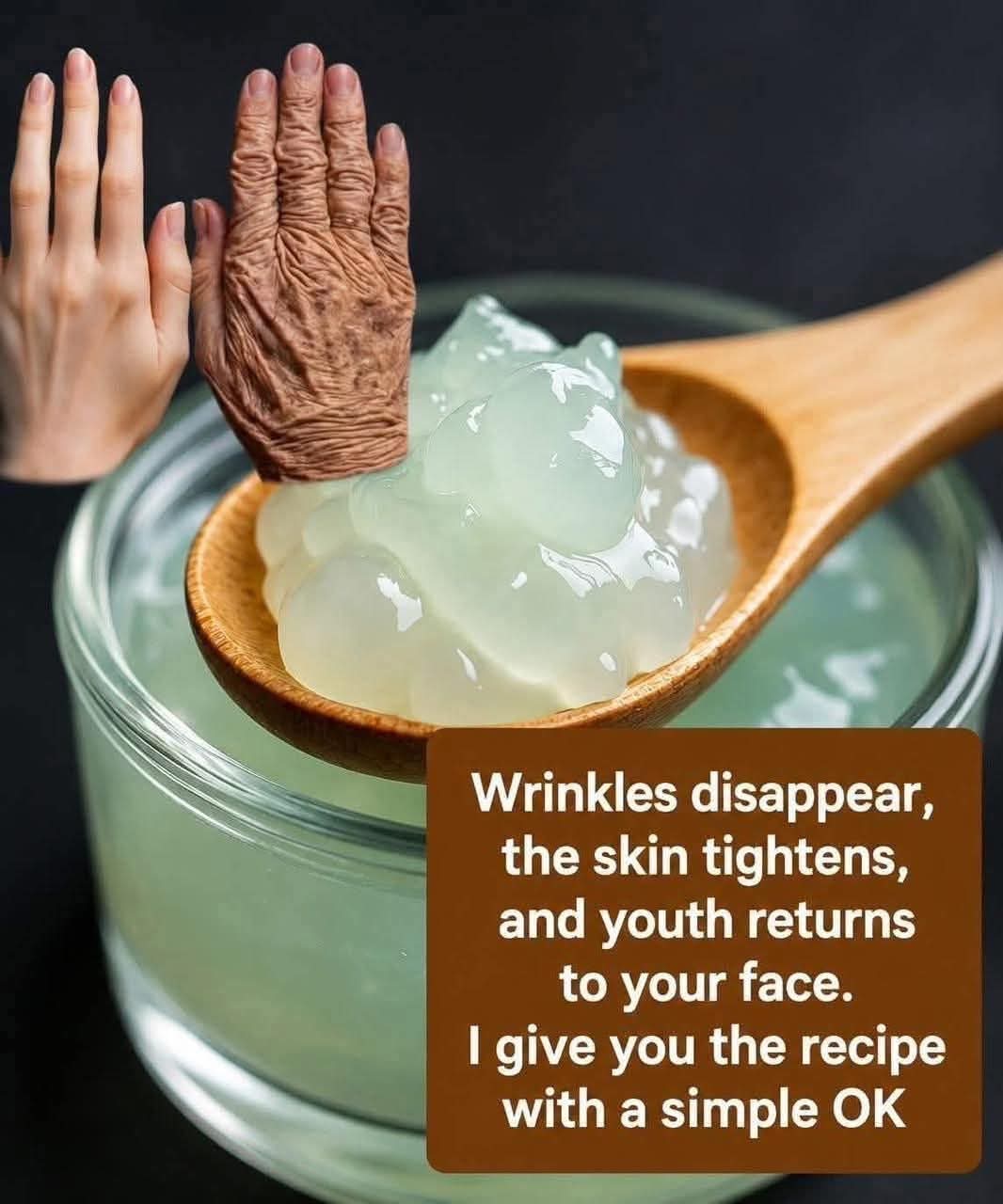
Everyone wants smoother, fresher, firmer-looking skin. The promise of “wrinkles disappear, skin tightens, and youth returns to your face” sounds powerful, but real skincare works best when it is honest, consistent, and safe. No homemade gel, cream, or single ingredient can erase every wrinkle overnight. Still, the right anti-aging skincare routine can help the skin look softer, more hydrated, brighter, and healthier over time.
Wrinkles and fine lines are a normal part of aging. Skin naturally becomes thinner and drier with time, and the face slowly loses some of its youthful fullness. Sun exposure, dehydration, harsh products, smoking, lack of sleep, and poor skincare habits can make the skin look older faster. Dermatologists often call sun-related premature aging “photoaging,” and sun protection is considered one of the most important steps in any anti-aging skincare plan. The American Academy of Dermatology explains that protecting the skin from the sun every day can help reduce premature aging, while the FDA recommends broad-spectrum sunscreen and regular reapplication for sun protection. 0
This guide gives you a complete blog-style skincare article built around high-value beauty keywords like anti-aging skincare routine, wrinkle cream, retinol serum, hyaluronic acid, collagen support, firming moisturizer, and mature skin care. It is written for readers who want natural-looking results, safer habits, and a realistic routine that can support smoother-looking skin without dangerous miracle claims.
Why Wrinkles and Fine Lines Appear
Wrinkles form for many reasons. Some are caused by natural aging. Some are caused by repeated facial movement. Others appear faster because the skin barrier becomes dry, irritated, or damaged by UV exposure. When the skin lacks moisture, fine lines often look deeper. When the skin barrier is healthy and hydrated, the face can look plumper and smoother.
Collagen and elastin are two important proteins that help the skin look firm and elastic. As people age, collagen production slows down. UV rays, pollution, smoking, and inflammation can also affect the appearance of skin firmness. This is why an effective anti-aging skincare routine usually focuses on four major goals: daily sun protection, hydration, gentle exfoliation, and ingredients that support smoother-looking texture.
A good wrinkle routine does not need to be complicated. In fact, many people damage their skin by using too many strong products at once. The best routine is simple, repeatable, and gentle enough to use consistently.
The Truth About “Skin Tightening” Creams and Anti-Aging Recipes
Many beauty posts online use dramatic phrases like “wrinkles vanish,” “face lift in minutes,” or “youth returns overnight.” These phrases may attract attention, but they can create unrealistic expectations. A cream or natural mask may temporarily make the skin feel tighter because it dries on the surface. A hydrating gel may make fine lines look softer because it adds water to the outer layer of skin. But true wrinkle improvement takes time.
A safer way to describe results is this: the right routine may help the skin look smoother, more refreshed, more hydrated, and firmer over time. This is especially true when the routine includes sunscreen, moisturizer, retinol or retinoids, vitamin C, peptides, and hyaluronic acid.
The American Academy of Dermatology notes that retinoids can be useful for mild fine lines, pigmentation irregularities, and texture concerns, while also recommending that people start slowly and use less intense formulas at first. 1
Best Anti-Aging Ingredients for Smoother-Looking Skin
1. Broad-Spectrum Sunscreen
Sunscreen is one of the most valuable anti-aging skincare products. UV rays can make wrinkles, dark spots, rough texture, and sagging look worse over time. A broad-spectrum sunscreen helps protect against both UVA and UVB rays. The FDA advises using sunscreen regularly as directed and reapplying at least every two hours, especially when sweating or swimming. 2
For a high-value skincare blog, sunscreen keywords are excellent because readers often search for “best sunscreen for anti-aging,” “SPF for mature skin,” “dermatologist recommended sunscreen,” “tinted sunscreen for wrinkles,” and “daily sunscreen for face.”
2. Retinol and Retinoids
Retinol is one of the most searched anti-aging ingredients. It belongs to the retinoid family and is often used in skincare routines for fine lines, uneven tone, texture, and dullness. Retinol does not work overnight. It usually needs consistent use over weeks or months. It can also irritate the skin if used too often too soon.
Beginners can start with a low-strength retinol serum two or three nights per week. A pea-sized amount is enough for the whole face. Avoid the corners of the nose, lips, and eyes unless the product is made for those areas. Always use sunscreen in the morning because retinol routines make sun protection even more important.
3. Hyaluronic Acid
Hyaluronic acid is a hydration-focused ingredient. It helps the skin look plump and fresh by attracting moisture to the surface. It is not a permanent wrinkle treatment, but it can make fine lines look softer when the skin is dry or dehydrated.
For best results, apply hyaluronic acid serum to slightly damp skin, then seal it with a moisturizer. This is a popular step in mature skin care, dry skin routines, and glowing skin routines because it gives the face a smoother, more comfortable look.
4. Peptides
Peptides are often used in firming face creams and anti-aging moisturizers. They are popular in products marketed for collagen support, neck firming, eye creams, and mature skin. A peptide moisturizer can be a good choice for people who want a gentler alternative to strong exfoliating acids or strong retinoids.
5. Vitamin C Serum
Vitamin C is a popular antioxidant ingredient used for dullness, uneven tone, and radiance. It is often paired with sunscreen in morning routines. Many readers search for “best vitamin C serum for mature skin,” “vitamin C serum for dark spots,” and “brightening serum for aging skin.”
6. Ceramides
Ceramides help support the skin barrier. When the skin barrier is weak, the face can feel dry, tight, itchy, or irritated. A ceramide moisturizer is helpful for dry mature skin, sensitive skin, and anyone using retinol.
7. Niacinamide
Niacinamide is a gentle skincare ingredient often used for uneven tone, visible pores, barrier support, and redness-prone skin. It is common in anti-aging serums and moisturizers because it is usually easier to tolerate than stronger actives.
A Safe Morning Anti-Aging Skincare Routine
A morning routine should protect the skin and keep it hydrated throughout the day. The goal is not to overload the skin. The goal is to create a protective base that helps the face look fresh, soft, and healthy.
Step 1: Gentle Cleanser
Wash your face with a gentle cleanser. Avoid harsh scrubs, strong soaps, and hot water. Scrubbing can irritate the skin and make it look older. The American Academy of Dermatology recommends gentle cleansing because irritation can speed the look of aging. 3
Step 2: Hydrating Serum
Apply a hydrating serum with hyaluronic acid, glycerin, or panthenol. This step is especially helpful if the skin looks tired, dry, or crepey. Hydrated skin reflects light better, which can make the face look smoother.
Step 3: Antioxidant Serum
Add a vitamin C serum if your skin tolerates it. This can support a brighter-looking complexion and pair well with sunscreen. People with sensitive skin can use vitamin C every other morning or choose a gentler antioxidant serum.
Step 4: Moisturizer
Use a moisturizer that matches your skin type. Dry mature skin often needs a richer cream with ceramides, peptides, shea butter, squalane, or glycerin. Oily skin may prefer a lightweight gel cream.
Step 5: Broad-Spectrum Sunscreen
Finish with broad-spectrum sunscreen. This is the most important anti-aging step in the morning. Apply enough product to cover the face, neck, ears, and any exposed skin. Reapply during the day when needed.
A Safe Night Anti-Aging Skincare Routine
Night is the best time to use ingredients that support texture and fine lines, especially retinol. The skin does not need a complicated routine. A simple night plan can be more effective because it reduces irritation.
Step 1: Remove Makeup and Sunscreen
If you wear makeup or heavy sunscreen, start with a cleansing balm, cleansing oil, or micellar water. Then follow with a gentle cleanser. Clean skin allows your night products to sit evenly.
Step 2: Apply Retinol Slowly
Use retinol two or three nights per week at first. Apply a pea-sized amount to dry skin. Do not use it on the same night as strong exfoliating acids unless your skin is already trained and your dermatologist approves. If your skin burns, peels badly, or becomes very red, reduce use or stop.
Step 3: Moisturize Well
Apply a barrier-supporting moisturizer after retinol. If your skin is sensitive, you can use the “moisturizer sandwich” method. Apply moisturizer first, then retinol, then another thin layer of moisturizer.
Step 4: Use a Separate Neck Cream or Moisturizer
The neck often shows dryness and lines because the skin is thinner. Use a gentle firming neck cream or your regular moisturizer. Avoid strong retinol on the neck at first because this area can become irritated quickly.
Natural Hydrating Gel for Softer-Looking Fine Lines
Many people enjoy a cooling gel texture because it makes the skin feel fresh and smooth. A simple hydrating gel can be used as a soothing step, but it should never replace sunscreen, moisturizer, or proven skincare ingredients.
A safe option is to use a store-bought aloe vera gel made for skin, preferably fragrance-free and alcohol-free. Aloe can feel cooling and hydrating for many people. You can apply a thin layer after cleansing and before moisturizer. Always patch test first on a small area of skin for 24 hours, especially if you have sensitive skin.
Avoid mixing random kitchen ingredients into face gels. Lemon juice, baking soda, toothpaste, cinnamon, and strong essential oils can irritate the skin and make dark spots or dryness worse. A natural skincare routine should be gentle, not aggressive.
Anti-Aging Skincare Routine by Skin Type
For Dry Mature Skin
Dry mature skin often needs more moisture and barrier support. Choose a creamy cleanser, hyaluronic acid serum, peptide moisturizer, ceramide cream, and sunscreen. Use retinol slowly. Add facial oil only if your skin tolerates it and does not break out.
For Oily Skin with Fine Lines
Oily skin can still become dehydrated. Use a gel cleanser, lightweight hyaluronic acid serum, oil-free moisturizer, and non-comedogenic sunscreen. Retinol may be helpful, but start slowly to avoid irritation.
For Sensitive Skin
Sensitive skin needs fewer products. Use fragrance-free cleanser, moisturizer, sunscreen, and a gentle retinol alternative if needed. Avoid using too many active ingredients together. Patch test every new product.
For Skin Over 40
A skincare routine for women over 40 often focuses on hydration, sunscreen, retinol, peptides, vitamin C, and neck care. Fine lines may look more visible around the eyes, mouth, forehead, and neck. Consistency matters more than expensive products.
For Skin Over 50
A skincare routine for women over 50 often needs richer moisturizers, gentle cleansing, daily sunscreen, and barrier repair. Hormonal changes can make skin feel drier. The American Academy of Dermatology says wrinkle creams, eye serums, and anti-aging products can help diminish signs of aging when used as part of healthy skin care habits. 4
Eye Cream for Wrinkles: Is It Necessary?
Eye creams can be helpful, but they are not magic. The skin around the eyes is delicate, so it often shows dryness, fine lines, and puffiness sooner than other areas. A good eye cream for wrinkles usually contains peptides, hyaluronic acid, ceramides, caffeine, niacinamide, or low-strength retinol made for the eye area.
Use a tiny amount. Tap it gently around the orbital bone. Do not apply too close to the lash line unless the product label says it is safe. If an eye cream causes burning, swelling, or watery eyes, stop using it.
Neck Firming Cream and Chest Care
The neck and chest are often forgotten, but they receive a lot of sun exposure. A complete anti-aging skincare routine should include the face, neck, chest, and hands. Sunscreen should be applied to all exposed areas, not only the cheeks and forehead.
For a smoother-looking neck, use moisturizer daily, sunscreen every morning, and a gentle firming cream with peptides or ceramides. If you want to use retinol on the neck, begin with one night per week and apply moisturizer first to reduce irritation.
Lifestyle Habits That Help Skin Look Younger
Skincare products help, but lifestyle also matters. The American Academy of Dermatology lists several habits that can reduce premature skin aging, including daily sun protection, avoiding tanning, stopping smoking, eating a balanced diet, drinking less alcohol, exercising, cleansing gently, moisturizing daily, and stopping products that sting or burn. 5
Sleep
Poor sleep can make the face look tired and dull. Aim for regular sleep and remove makeup before bed. Nighttime is also when many people use their repair-focused skincare routine.
Hydration
Drinking water will not erase wrinkles, but dehydration can make the skin look tired. Pair internal hydration with topical moisturizers for the best cosmetic effect.
Nutrition
A balanced diet with protein, healthy fats, fruits, vegetables, and enough minerals supports overall skin health. Extremely restrictive diets can make the face look tired or less full.
Facial Expressions
Repeated expressions can deepen lines over time. Sunglasses may help reduce squinting lines around the eyes. This does not mean you should avoid smiling. It simply means sun protection and eye protection can help.
Want the full truth and the practical next steps?
Page 2 continues with the real explanation, the key details many readers skip, and the simple takeaways that make this guide more useful.