
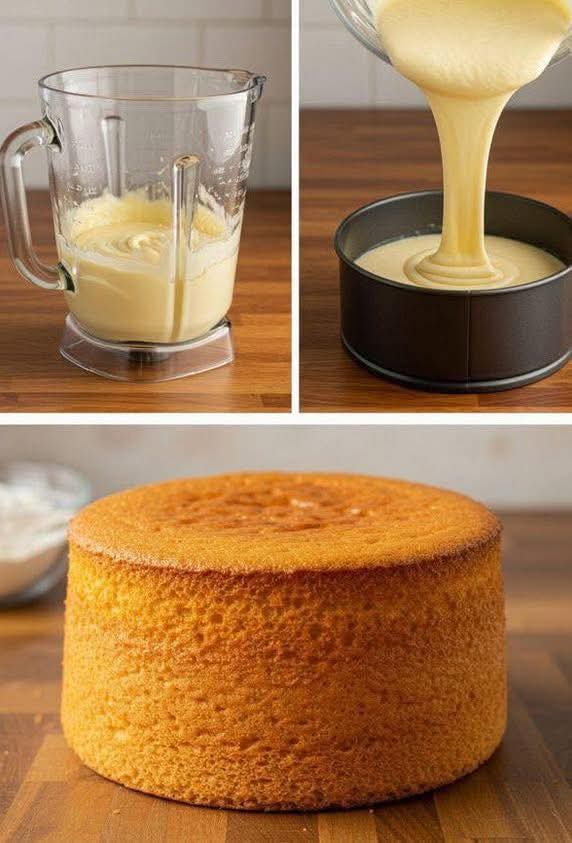
There are cakes that impress with complexity, and then there is Vanilla Cake – the timeless classic that proves simplicity is the ultimate sophistication. Imagine a slice of cake so tender, so moist, so richly fragrant with real vanilla that you close your eyes after the first bite. This is not the dry, flavorless vanilla cake you remember from boxed mixes. This is the real thing: a velvety, buttery, cloud‑light crumb with a perfectly domed top and a golden edge. Made with simple pantry ingredients – flour, butter, sugar, eggs, vanilla, and buttermilk – this cake comes together in under 20 minutes of prep and bakes into a showstopper. If you are searching for the best vanilla cake recipe that will earn you rave reviews at every birthday, potluck, or afternoon tea, this is the one.
Whether you need a layer cake for a celebration, a sheet cake for a crowd, or simply a loaf to enjoy with coffee, this vanilla cake delivers. It is incredibly versatile, stays moist for days, and pairs beautifully with any frosting – from classic buttercream to cream cheese or ganache. This moist homemade vanilla cake will become your forever go‑to.
In this complete guide, you will learn the master recipe for the perfect vanilla cake, including pro tips for achieving that fluffy, tender crumb, delicious variations (add sprinkles, lemon zest, or almond extract), buttercream frosting recipes, storage and freezing instructions, and why this simple cake is anything but boring. Let’s preheat that oven.
Why This Is the Only Vanilla Cake Recipe You Will Ever Need
Most vanilla cake recipes fall into two camps: dry and crumbly, or dense and heavy. This recipe hits the sweet spot – literally and texturally. The secret lies in the combination of butter (for flavor and richness), oil (for moisture), buttermilk (for tenderness and a slight tang), and egg whites (for a pure white crumb and light texture). The result is a cake that is sturdy enough to stack and frost, yet delicate enough to melt on your tongue. Whether you call it a classic white cake from scratch or simply the best vanilla cake you have ever made, this recipe delivers.
Here is why you will love it:
Only 10 basic ingredients – Flour, sugar, butter, oil, eggs, buttermilk, vanilla, baking powder, baking soda, salt.
Incredibly moist and tender – Stays fresh for days.
Perfect for layering – Sturdy crumb that doesn’t crumble when sliced.
Easy to customize – Add sprinkles, lemon zest, or chocolate chips.
No box mix can compete – Real vanilla, real butter, real flavor.
Make‑ahead and freezer‑friendly – Bake now, frost later.
Crowd‑pleaser for any occasion – Birthdays, weddings, holidays, or ordinary Tuesdays.
Once you try this easy vanilla layer cake, you will never reach for a boxed mix again.
The Complete Vanilla Cake Recipe
This recipe makes two 8‑inch or 9‑inch round cakes (perfect for layering) or one 9×13 inch sheet cake. It can easily be doubled for wedding or large sheet cakes.
Ingredients:
2 ½ cups (300g) all‑purpose flour
2 teaspoons baking powder
½ teaspoon baking soda
½ teaspoon salt
¾ cup (170g, 1.5 sticks) unsalted butter, softened to room temperature
½ cup (120ml) vegetable oil – canola or avocado oil (adds moisture)
1 ½ cups (300g) granulated sugar
3 large egg whites (or 2 whole eggs for a slightly denser cake), room temperature
1 large egg, room temperature
1 tablespoon pure vanilla extract – yes, a full tablespoon for real flavor
1 cup (240ml) buttermilk, room temperature (or 1 cup milk + 1 tablespoon lemon juice)
For Vanilla Buttercream Frosting (Optional):
1 cup (226g, 2 sticks) unsalted butter, softened
4 cups (480g) powdered sugar, sifted
2 teaspoons vanilla extract
2‑3 tablespoons heavy cream or milk
Pinch of salt
Equipment:
Two 8‑inch or 9‑inch round cake pans (or one 9×13 inch pan)
Parchment paper
Non‑stick spray
Electric mixer (hand or stand)
Mixing bowls
Rubber spatula
Cooling rack
Step‑by‑Step Instructions
Step 1 – Preheat and Prepare Pans
Preheat your oven to 350°F (175°C). Grease the bottom and sides of your cake pans with butter or non‑stick spray. Cut circles of parchment paper to fit the bottom of each pan and place them in – this guarantees your cakes will release cleanly. Dust the sides with a little flour, tapping out excess.
Step 2 – Whisk Dry Ingredients
In a medium bowl, whisk together the flour, baking powder, baking soda, and salt. Set aside.
Step 3 – Cream Butter, Oil, and Sugar
In a large mixing bowl (or the bowl of a stand mixer fitted with the paddle attachment), beat the softened butter, vegetable oil, and granulated sugar together on medium speed until light, pale, and fluffy, about 3‑4 minutes. The mixture should look creamy and noticeably lighter in color. The combination of butter and oil gives you both flavor and moisture.
Step 4 – Add Eggs and Vanilla
Add the egg whites and the whole egg one at a time, beating well after each addition. Scrape down the sides of the bowl as needed. Add the vanilla extract and beat until combined. The mixture may look slightly curdled – that is normal and will smooth out when you add the flour.
Step 5 – Alternate Dry and Buttermilk
With the mixer on low speed, add one‑third of the dry ingredients, mixing just until combined. Then add half of the buttermilk, mixing until incorporated. Repeat with another third of dry, the remaining buttermilk, and finally the last third of dry. Mix just until no streaks of flour remain – do not overmix. Overmixing develops gluten and leads to a tough cake.
Step 6 – Divide Batter Between Pans
Divide the batter evenly between the two prepared cake pans. Use a kitchen scale for accuracy, or simply eyeball it. Smooth the tops with a spatula. Tap the pans gently on the counter to release any air bubbles.
Step 7 – Bake
Bake for 25‑30 minutes (8‑inch pans) or 22‑26 minutes (9‑inch pans), until a toothpick inserted in the center comes out clean or with just a few moist crumbs. The cakes should be golden and pulling away slightly from the edges of the pan. Rotate the pans halfway through for even baking.
Step 8 – Cool
Let the cakes cool in the pans on a wire rack for 10‑15 minutes. Then run a knife around the edges, invert onto the rack, and peel off the parchment paper. Allow the cakes to cool completely before frosting – at least 1 hour. Warm cakes will melt your frosting.
Step 9 – Make the Buttercream (If Using)
While the cakes cool, make the frosting. In a large bowl, beat the softened butter on medium speed until creamy and pale, about 2 minutes. Gradually add the powdered sugar, 1 cup at a time, beating on low speed. Add the vanilla, salt, and 2 tablespoons of cream. Increase speed to medium‑high and beat for 2‑3 minutes until light and fluffy. Add more cream as needed for spreadable consistency.
Step 10 – Assemble and Frost
Place one cake layer on a serving plate or cake stand. Spread about ¾ cup of frosting evenly over the top. Place the second layer on top, align edges. Frost the top and sides of the cake with the remaining buttercream. For a naked cake, use less frosting. Decorate with sprinkles, fresh berries, or edible flowers.
Pro Tips for the Best Vanilla Cake
Follow these expert tips for a perfect buttermilk vanilla cake every time:
Use room temperature ingredients – Cold butter, eggs, and buttermilk do not emulsify properly, leading to a dense cake. Leave them out for 30‑60 minutes before starting.
Measure flour correctly – Spoon flour into your measuring cup and level it off. Scooping directly from the bag packs in extra flour, making the cake dry.
Do not overmix – Once you add the flour, mix just until combined. Overmixing develops gluten = tough cake.
Bake immediately after mixing – Cake batter starts losing its leavening power as soon as the wet and dry ingredients meet. Get it in the oven quickly.
Rotate pans halfway – Ovens have hot spots. Rotating ensures even baking and flat tops.
Cool completely before frosting – Patience is key. A warm cake will turn your buttercream into a melty mess.
Double the recipe for a 4‑layer cake – For an impressive tall cake, double the batter and bake four 8‑inch layers.
Delicious Variations (Same Moist Base)
Once you master classic vanilla cake, try these fun twists. These vanilla cake variations will make every occasion unique.
1. Confetti Vanilla Cake (Funfetti)
After mixing the batter, gently fold in ½ cup of rainbow sprinkles (jimmies, not nonpareils – they bleed). The sprinkles create colorful dots throughout the cake. This sprinkle vanilla cake is a birthday favorite.
2. Lemon Vanilla Cake
Add the zest of 2 lemons to the sugar and rub it in with your fingers before creaming with butter. Replace ¼ cup of buttermilk with fresh lemon juice. The bright, citrusy flavor is perfect for spring.
Want the full truth and the practical next steps?
Page 2 continues with the real explanation, the key details many readers skip, and the simple takeaways that make this guide more useful.