
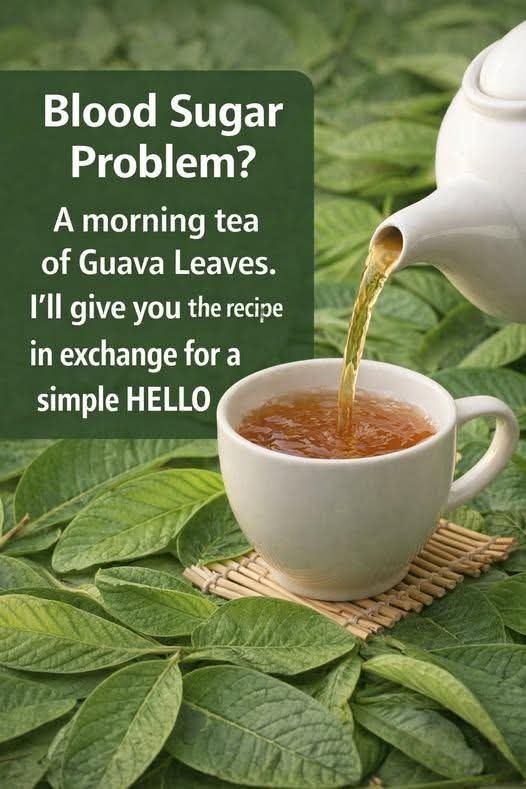
In the world of natural wellness, few plants have gained as much recent attention as the humble guava leaf. While most people know guava for its sweet, tropical fruit, traditional medicine systems have used the leaves for centuries. Today, researchers are looking closely at one specific claim: that guava leaf tea may help lower blood sugar levels, especially after meals.
If you are one of the millions managing prediabetes, type 2 diabetes, or simply trying to keep your glucose levels stable, you have probably wondered whether guava leaf tea is worth adding to your routine.
The short answer is: it may help a little, but it is not a cure, and it comes with important precautions.
In this guide, we will cover exactly what guava leaf tea can and cannot do, how to make it safely at home, what the science actually says, and — most importantly — who should be careful before drinking it regularly.
What Is Guava Leaf Tea?
Guava leaf tea is an herbal infusion made from the leaves of the guava tree (Psidium guajava). Native to Mexico, Central America, and northern South America, the guava tree is now grown in tropical and subtropical regions worldwide.
Traditional healers have used guava leaves for digestive issues, wound healing, and yes, for blood sugar management. The leaves contain several bioactive compounds, including:
· Flavonoids (quercetin, kaempferol)
· Tannins
· Polyphenols
· Essential oils
These compounds are thought to influence how your body absorbs carbohydrates and responds to insulin. Unlike many other herbal remedies, guava leaf tea has actually been the subject of several clinical studies — though the evidence is still far from conclusive.
Why People Talk About Guava Leaves for Blood Sugar
The interest in guava leaf tea for blood sugar control is not just folklore. Research has focused on compounds in guava leaves that may slow carbohydrate absorption in the gut. In theory, this could help blunt the sharp rise in blood glucose that happens after eating a meal — especially one rich in starches or sugars.
A review indexed in PubMed reported reductions in postprandial blood glucose (blood sugar after eating) in some studies of guava leaf tea or extract. Participants who drank guava leaf tea before or with a meal showed lower glucose spikes compared to those who drank plain water or a placebo.
That sounds promising, and it is. But it is also important to keep the claims realistic.
The National Center for Complementary and Integrative Health (NCCIH) states that for type 2 diabetes, there is still not enough evidence to conclude that dietary supplements can reliably prevent or manage the condition on their own. Herbal products like guava leaf tea should never replace proven medical treatments.
What Guava Leaf Tea May Actually Do
Used as part of a balanced lifestyle, guava leaf tea may help with one specific thing: reducing how sharply blood sugar rises after eating. That is the main benefit most commonly discussed in the research.
Potential Benefits (Based on Limited Evidence)
· Slows carbohydrate absorption – The polyphenols in guava leaves may inhibit enzymes that break down starches into sugar, similar to how some diabetes medications work (but much milder).
· May improve insulin sensitivity – Some animal studies suggest guava leaf extract could help cells respond better to insulin.
· Antioxidant support – Guava leaves are rich in antioxidants, which reduce oxidative stress — a factor in diabetes complications.
What It Does NOT Mean
Guava leaf tea is not:
· a replacement for diabetes medication or insulin
· a substitute for regular glucose monitoring
· a cure for diabetes
· a free pass to eat poorly
That distinction matters, especially for anyone already being treated for diabetes. NCCIH warns that herbs and supplements can interact with medicines, and people often assume “natural” automatically means safe — when that is not always true.
A Simple Way to Make Guava Leaf Tea at Home
If you want to try guava leaf tea in a simple, traditional way, here is a common method. This is not a standardized medical dose, but it is how many people have prepared it for generations.
Ingredients
· 4 to 6 fresh or dried guava leaves (fresh is traditional, dried is fine)
· 2 cups (480 ml) of water
Instructions
- Rinse the leaves thoroughly under cool running water to remove any dirt or residue.
- Bring water to a boil in a small saucepan.
- Add the guava leaves to the boiling water.
- Reduce heat and let simmer for about 10 minutes. The water will turn a light amber or brownish color.
- Remove from heat and let steep for another 5 minutes if you want a stronger tea.
- Strain the leaves out using a fine mesh strainer or cheesecloth.
- Drink plain – do not add sugar, honey, or milk. Sweeteners would defeat the purpose of blood sugar support.
Where to Get Guava Leaves
· Fresh leaves – If you live in a tropical climate or have a guava tree, pick young, healthy leaves.
· Dried leaves – Available online or at herbal shops. Look for organic, food‑grade guava leaves.
· Tea bags – Some brands sell pre‑packaged guava leaf tea bags. Follow package instructions.
Taste Profile
Guava leaf tea has a mild, slightly astringent, earthy flavor. Some people describe it as similar to green tea but without the bitterness. It is not sweet — if you find it too strong, you can dilute it with more water or steep for less time.
When to Drink Guava Leaf Tea for Blood Sugar Support
There is no universally established dosing schedule backed by strong clinical guidance. However, based on the research and traditional use, here are reasonable guidelines.
With Meals
Most studies that showed a benefit had participants drink guava leaf tea immediately before or with a meal. Since the proposed mechanism is slowing carbohydrate absorption, drinking it alongside food makes the most sense.
Morning or Evening?
Some people prefer drinking it in the morning to start the day with stable glucose. Others drink it with their largest meal of the day. Experiment carefully, but always monitor how you feel.
How Often
· Traditional use: 1–2 cups per day.
· Research studies: Often used once with a test meal, not long‑term.
· Practical suggestion: Start with one cup per day with a meal. If you tolerate it well and see stable blood sugar readings, you might try two cups.
Do not overdo it. More is not better with herbal teas, especially when you are taking medications.
Important Safety Notes (Do Not Skip This Section)
This is the most important part of the conversation.
- Interaction with Diabetes Medications
If you take diabetes medicine (like metformin, sulfonylureas, or insulin), talk with your clinician before using guava leaf tea regularly. Anything that may lower glucose can potentially increase the risk of hypoglycemia (blood sugar dropping too low) when combined with treatment.
Herb‑drug interactions are a real concern, and NCCIH specifically advises caution with herbal products and medications.
- Potential for Low Blood Sugar
Even if you are not on medication, drinking large amounts of guava leaf tea could theoretically lower your blood sugar. Symptoms of hypoglycemia include:
· shakiness
· sweating
· confusion
· rapid heartbeat
· dizziness
If you experience any of these, stop drinking the tea and eat a fast‑acting carbohydrate (like juice or a glucose tablet).
- Other Medications
There is also research looking at food‑drug interaction questions around guava leaf tea. It may interact with:
· Blood pressure medications – guava leaves may lower blood pressure slightly.
· Blood thinners (warfarin, etc.) – high doses of antioxidants can affect clotting.
· Diuretics – may have additive effects.
Always disclose any herbal products to your doctor and pharmacist.
- Pregnancy and Breastfeeding
There is not enough reliable research on guava leaf tea during pregnancy or breastfeeding. Avoid it unless your healthcare provider gives the green light.
- Surgery
Because guava leaf tea may affect blood sugar and blood pressure, stop drinking it at least two weeks before a scheduled surgery.
Want the full truth and the practical next steps?
Page 2 continues with the real explanation, the key details many readers skip, and the simple takeaways that make this guide more useful.