

The Breakfast That Changed My Mornings: Why I Cook Cabbage and Eggs Every Single Day
There are some food combinations that just make sense. Peanut butter and jelly. Tomato and basil. Bacon and eggs. But there’s one dynamic duo that rarely gets the spotlight it deserves—cabbage and eggs. For years, I overlooked this humble combination, relegating cabbage to the realm of coleslaw and stir-fries, and eggs to quick scrambles or rushed omelets. That all changed about six months ago when I stumbled upon what has now become my non-negotiable morning ritual.
I cook cabbage with eggs like this every day for breakfast, and honestly? It tastes delicious. Not just “good for a healthy breakfast” delicious. Not “I guess this is better than cereal” delicious. Genuinely, crave-ably, wake-up-looking-forward-to-it delicious. And after perfecting my method over 180 consecutive mornings, I’m ready to share exactly why this dish deserves a permanent spot in your rotation, how to make it perfectly every single time, and why your body will thank you for it.
Why Cabbage and Eggs Deserve a Spot in Your Morning Routine
Before we dive into the cooking method, let’s talk about why this combination is nutritional gold. Cabbage often gets dismissed as boring or bland, but that reputation couldn’t be more undeserved. This cruciferous vegetable is a heavyweight champion in the nutrition world, and when paired with eggs, it creates a breakfast that keeps you full, focused, and energized for hours.
The Nutritional Powerhouse You’ve Been Ignoring
One cup of shredded cabbage contains just 22 calories but delivers a massive nutrient punch. It’s loaded with vitamin C—actually, it gives oranges a run for their money gram for gram. We’re talking immune support, collagen production, and better iron absorption, all before 9 AM. Cabbage is also rich in vitamin K, which most of us don’t get enough of, and that’s essential for bone health and proper blood clotting.
But here’s where it gets really interesting for the health-conscious breakfast eater. Cabbage contains sulforaphane, a compound that’s been extensively studied for its cancer-fighting properties. This powerful antioxidant helps protect your cells from damage and supports your body’s natural detoxification processes. Starting your day with sulforaphane is like sending your body’s cleanup crew in with reinforcements before the day’s toxins even hit.
The fiber content deserves its own shout-out too. That one cup of cabbage provides about 2 grams of fiber, which might not sound like much, but combined with the protein and fat from eggs, it creates a satiety trifecta. You know that mid-morning slump where you’re already thinking about lunch by 10:30? That doesn’t happen with this breakfast. The fiber slows digestion, keeps your blood sugar stable, and sends clear signals to your brain that you’re genuinely satisfied.
Why Eggs Are Nature’s Perfect Breakfast Food
Eggs have been controversial over the years, but the science is settled for most reasonable nutrition experts. They’re one of the most nutrient-dense foods on the planet. Each egg delivers about 6-7 grams of high-quality protein with a perfect amino acid profile that your body can actually use. That protein is crucial for morning satiety and for maintaining muscle mass, especially as we age.
The yolks are where the magic really happens. Despite years of misguided advice to eat only egg whites, the yolk contains nearly all the vitamins and minerals. We’re talking vitamin D, which most of us are deficient in, especially during winter months. Choline, which is essential for brain health and metabolism. Lutein and zeaxanthin, which protect your eyes from blue light damage—and let’s be honest, most of us are staring at screens all day. And healthy fats that help your body absorb the fat-soluble vitamins from that cabbage.
When you combine cabbage and eggs, you’re not just eating two separate foods. You’re creating a synergistic meal where the healthy fats in the eggs help your body absorb the fat-soluble vitamins in the cabbage. It’s nutrition that works smarter, not harder.
My Crispy Edge and Runny Yolk Method: The Step-by-Step Guide
After six months of daily practice, I’ve refined this dish to absolute perfection. Every element has been tested, every timing adjusted, every technique questioned and improved. This isn’t just a recipe anymore—it’s a morning meditation, a ritual that centers me before the chaos of the day begins.
The Essential Ingredients
Let’s start with what you’ll need. Quality matters here, but this dish is forgiving enough to work with whatever you have on hand.
For the base:
· 2 tablespoons of butter or olive oil (I use grass-fed butter from a local farm, and the flavor difference is noticeable)
· ¼ of a green cabbage, cored and sliced into thin ribbons (about 2-3 cups once shredded)
· 1 small yellow or sweet onion, diced (this is optional, but once you try it with onion, you’ll never go back)
· 2 cloves of garlic, minced fresh (please don’t use the jarred stuff here—fresh garlic makes a real difference)
· 2 large eggs (farm-fresh if you can find them; the yolks will be brighter and the flavor richer)
· Sea salt or kosher salt (I use about ½ teaspoon total, divided)
· Freshly ground black pepper
· Optional: pinch of red pepper flakes or smoked paprika for warmth
For the tools:
· A large skillet, preferably cast iron (I’ll explain why in a moment)
· A sharp knife for slicing cabbage
· A lid that fits your skillet (this is crucial)
Step 1: The Preparation Matters
Take your quarter head of cabbage and remove the tough triangular core at the base. This part is too fibrous and won’t soften properly. Now, here’s where technique matters: slice the cabbage into ribbons about ¼-inch wide. Not paper-thin, where they’ll disintegrate, and not thick chunks that will remain raw and crunchy. Think coleslaw consistency but slightly heartier.
The onion, if you’re using it, should be diced to about the same size as the cabbage ribbons. This ensures even cooking and creates a texture that works in every bite. Mince your garlic separately and have it ready to go before you turn on the heat. This dish moves quickly once it starts, and scrambling to find ingredients while things are cooking is a recipe for burned cabbage.
Step 2: Heat Your Pan Properly
This might be the most important step, and it’s the one most home cooks get wrong. Place your skillet over medium-high heat and let it get genuinely hot before adding any fat. If you’re using cast iron, give it a good 3-4 minutes. The pan should be hot enough that a drop of water dances across the surface.
Now add your butter or oil. If using butter, watch it melt and foam. When the foaming subsides slightly, your pan is ready. If using olive oil, it should shimmer and move like water when you tilt the pan.
Step 3: Build Your Flavor Foundation
Add the diced onion first if you’re using it. Let it cook undisturbed for 2-3 minutes until it becomes translucent and starts to brown at the edges. This caramelization is where flavor builds, so resist the urge to stir constantly. Let the onions sit, develop color, and only stir when they’re ready.
Once the onions have softened and begun to brown, add your shredded cabbage all at once. It will look like an enormous amount that couldn’t possibly fit in your stomach, let alone the pan. This is normal. Cabbage has high water content, and it will cook down dramatically.
Step 4: Salt Immediately and Don’t Stir Too Much
This is the technique that separates good cabbage from transcendent cabbage. Add a generous pinch of salt right after the cabbage hits the pan. The salt draws out moisture, which helps the cabbage steam from within while also creating the conditions for browning.
Now here’s the hard part: leave it alone. Let that cabbage sit in the hot pan for 3-4 minutes without stirring. I know it’s tempting to toss it around, to move things along. Don’t. You want the bottom layer to develop deep brown, caramelized bits. These crispy edges are where the flavor lives, where the natural sugars in the cabbage concentrate and transform. If you stir too soon, you’ll steam the cabbage instead of frying it, and you’ll end up with sad, limp vegetables instead of the textural masterpiece you’re aiming for.
After those crucial minutes, toss the cabbage once to bring the uncooked parts to the bottom and let it sit again for another 2-3 minutes. Now add your minced garlic, stir everything together, and cook for another 2 minutes until the garlic is fragrant and the cabbage is tender with plenty of crispy, browned edges.
Step 5: Create Space for the Eggs
Push the cabbage mixture to the sides of the pan, creating two clear wells in the center. The pan should be hot enough that you hear a sizzle when you expose the cooking surface. Crack one egg directly into each well, being careful not to break the yolks.
Here’s where temperature management matters. Reduce your heat to medium-low immediately. The pan is hot enough that the egg whites will start cooking right away, but if you leave the heat too high, the bottoms will burn before the tops are set.
Step 6: The Lid Makes All the Difference
Cover your skillet with a tight-fitting lid. This traps steam and cooks the tops of the eggs without requiring you to flip them. If you’re a runny yolk enthusiast like me, this is the only way to achieve perfectly cooked whites with gloriously liquid yolks.
Let the eggs cook covered for 2-4 minutes, depending on your preference. At 2 minutes, the whites will be just set and the yolks will be completely runny. At 3 minutes, the whites are fully cooked and the yolks are jammy. At 4 minutes, you’re approaching hard-cooked territory.
Step 7: The Final Touch
Remove the lid and turn off the heat. Sprinkle with freshly ground black pepper—don’t skimp here, the pepper adds brightness that cuts through the richness. Add your pinch of red pepper flakes if you want heat, or a dusting of smoked paprika for depth. A final tiny sprinkle of flaky sea salt on the eggs themselves elevates everything.
Slide the entire contents onto a plate, making sure each serving gets plenty of cabbage and one perfectly cooked egg. The contrast between the crispy, caramelized cabbage, the soft whites, and the liquid gold of the yolk is nothing short of magical.
Why This Breakfast Works on Every Level
After 180 consecutive days of eating this dish, I’ve thought a lot about why it hasn’t gotten old. The answer lies in its perfect balance of elements that satisfy every possible breakfast craving.
The Texture Journey
Every bite offers something different. You have the crispy edges of cabbage that have spent enough time in contact with the hot pan to develop genuine crunch. You have the tender, wilted parts of cabbage that have steamed in their own moisture. You have the soft, pillowy egg white that provides gentle resistance before giving way. And then you have the moment when the yolk breaks—that golden river that coats everything in richness, softening the crispy edges and binding all the elements together.
It’s a textural journey that keeps your brain engaged with every single bite. There’s no monotony here, no same-ness that leads to boredom halfway through the plate.
The Flavor Complexity
Despite using only a handful of ingredients, this dish delivers surprising complexity. The cabbage, when properly caramelized, develops sweetness that you’d never guess came from such a humble vegetable. The onions add their own sweetness with savory undertones. The garlic provides aromatic punch that mellows as it cooks. The eggs contribute richness and that unmistakable savory depth that only yolks can provide.
Salt amplifies everything. Pepper adds warmth and slight heat. And optional spices can transport the entire dish in different directions—smoked paprika adds campfire depth, red pepper flakes bring heat, cumin introduces earthiness, curry powder turns it into a completely different experience.
The Nutritional Density
This isn’t empty calories that leave you hungry in two hours. This is a meal designed to sustain you. The protein and fat from eggs stabilize blood sugar. The fiber from cabbage slows digestion and feeds beneficial gut bacteria. The vitamins and minerals support every system in your body. The antioxidants fight inflammation and oxidative stress.
I’ve noticed tangible differences since making this my daily breakfast. My energy levels are more stable throughout the morning. I don’t experience the 10 AM crash that used to send me searching for coffee and pastries. My digestion has improved noticeably. Even my skin looks clearer, which I attribute to the combination of vitamin C from cabbage and healthy fats from eggs and butter.
Variations to Keep Things Interesting
While I’m perfectly happy eating this dish the same way every day, I recognize that most people crave variety. Over the months, I’ve developed several variations that transform the basic template into something entirely new.
The Mediterranean Twist
Replace the butter with good olive oil. Add a handful of chopped kalamata olives and some sun-dried tomatoes along with the garlic. Top the finished dish with crumbled feta cheese and fresh oregano. The salty, briny elements pair beautifully with the sweet cabbage and rich eggs.
The Asian-Inspired Version
Use sesame oil instead of butter. Add a tablespoon of grated fresh ginger along with the garlic. Finish with a splash of tamari or coconut aminos and a drizzle of sriracha. Top with sesame seeds and chopped scallions. The umami from the tamari and the heat from sriracha create a completely different profile.
The Protein-Packed Variation
Add crumbled breakfast sausage or bacon to the pan before the cabbage, cooking until browned and then proceeding with the recipe. The rendered fat replaces some of the butter, and the meat adds another layer of savory depth. For a vegetarian protein boost, add a handful of edamame or crispy chickpeas.
The Cheesy Indulgence
Sprinkle shredded sharp cheddar or crumbled goat cheese over the cabbage during the last minute of cooking, then create your wells and add the eggs. The cheese melts into the cabbage while the eggs cook, creating a decadent, satisfying dish that feels like a weekend splurge even on a busy Tuesday.
Common Questions and Troubleshooting
After making this dish 180 times, I’ve encountered and solved every possible problem. Here’s what you need to know.
Why Isn’t My Cabbage Getting Crispy?
This is the most common issue. The culprit is almost always overcrowding the pan or stirring too frequently. Give the cabbage space and time. If your pan is too small, cook the cabbage in batches. And resist the urge to stir constantly—those crispy edges need uninterrupted contact with hot metal to form.
My Eggs Are Overcooked Before the Whites Set
This happens when the heat is too high. Remember to reduce the temperature to medium-low after adding the eggs. The residual heat from the pan will continue cooking them, so err on the side of lower heat and a little more time.
Can I Meal Prep This?
Absolutely. You can cook a large batch of the cabbage mixture and refrigerate it for up to 5 days. In the morning, simply reheat a portion in a skillet, create a well, and add your fresh egg. This cuts morning prep time to about 5 minutes while still delivering that fresh-cooked egg experience.
Is This Keto-Friendly? Low-Carb? Whole30?
Yes to all. This dish is naturally low in carbohydrates (about 8-10 grams net carbs per serving, depending on how much cabbage you use). It’s packed with healthy fats and quality protein, making it ideal for ketogenic and low-carb lifestyles. It’s also compliant with Whole30 if you use compliant bacon or sausage and Whole30-approved cooking fat.
Can I Use Different Types of Cabbage?
Experiment! Green cabbage is my favorite for its balance of sweetness and structure, but red cabbage works beautifully and adds stunning color. Savoy cabbage is more tender and cooks faster, with a milder flavor. Napa cabbage is delicate and almost sweet. Each variety brings something different to the dish.
The Equipment That Makes It Better
You can make this dish with basic equipment, but a few investments will elevate your results.
Why Cast Iron Is Worth It
A cast iron skillet retains heat better than any other pan material. When you add the cabbage, the pan temperature doesn’t drop dramatically, which means you get better browning from the start. Cast iron also heats evenly, eliminating hot spots that can burn some areas while leaving others undercooked. And the seasoning on a well-maintained cast iron pan provides natural non-stick properties that are perfect for eggs.
The Right Spatula Matters
A thin metal spatula with a straight edge is ideal for getting under eggs without breaking yolks. It can also scrape up those delicious browned bits from the bottom of the pan without scratching your cooking surface.
A Good Knife Changes Everything
Cabbage is tough on dull knives. A sharp chef’s knife makes quick, safe work of slicing cabbage into those perfect ribbons. If you struggle with cabbage, it might be time to sharpen your knives or invest in a better one.
Why This Dish Has Become My Morning Meditation
Beyond the nutrition and the flavor, beyond the convenience and the versatility, this dish has become something more meaningful to me. In a world that moves increasingly fast, where mornings are often rushed and meals are consumed mindlessly, this 15-minute ritual forces me to slow down.
I stand at the stove, watching onions turn translucent. I listen to the sizzle when cabbage hits hot metal. I smell the sulfurous sweetness as edges caramelize. I wait patiently for eggs to set under their glass lid. For those few minutes, nothing else exists but the pan, the food, and the transformation happening in front of me.
By the time I sit down with my plate, I’m already more centered than I was when I woke up. The first bite, with its contrast of textures and temperatures, brings me fully into the present moment. It’s not just breakfast anymore. It’s a practice in presence, a commitment to starting my day with intention rather than acceleration.
Final Thoughts: Give This Breakfast a Chance
I know cabbage for breakfast sounds unconventional. I know eggs are usually paired with bread or potatoes or bacon. But I’m asking you to step outside those breakfast boundaries and try something different. Try something that nourishes your body deeply, that satisfies your taste buds completely, that costs pennies to make and takes minutes to prepare.
Try cabbage with eggs, cooked properly, with crispy edges and runny yolks. Try it tomorrow morning, and the next day, and the day after that. Notice how you feel at 10 AM, at noon, at 2 PM. Notice the absence of cravings, the stability of your energy, the satisfaction that lingers.
You might just find, as I did, that this humble combination becomes your new morning ritual. You might just discover that the best breakfast isn’t the one with the most ingredients or the longest tradition, but the one that makes you feel genuinely good, inside and out.
I cook cabbage with eggs like this every day for breakfast. It tastes delicious. And after 180 days, I’m still not tired of it. Give it a week, and you might not be either.
More Recipes You Might Like
-
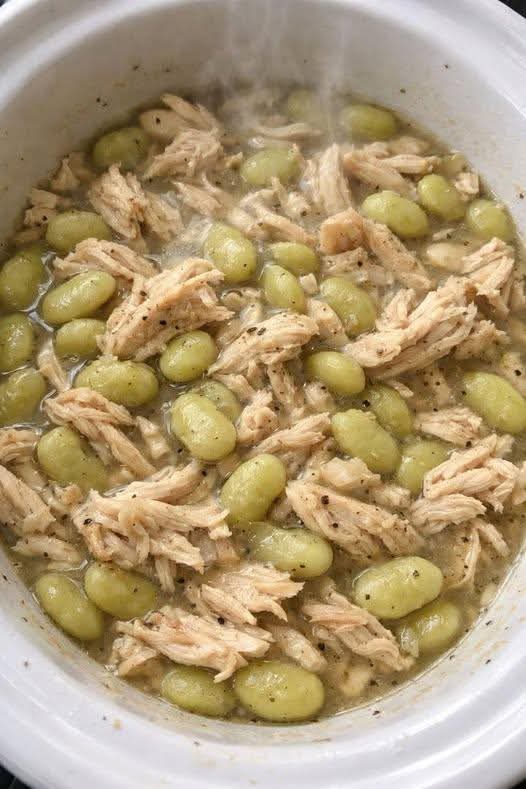
Slow Cooker Chicken and Lima Beans: A Hearty, Protein‑Packed Comfort Classic
There are meals that fill your kitchen with an aroma so inviting that everyone wanders in before dinner is even ready. This slow cooker chicken and lima beans is exactly that. Tender, juicy chicken thighs or breasts simmer for hours with creamy lima beans, aromatic vegetables, and a savory broth that thickens into a silky,…
-
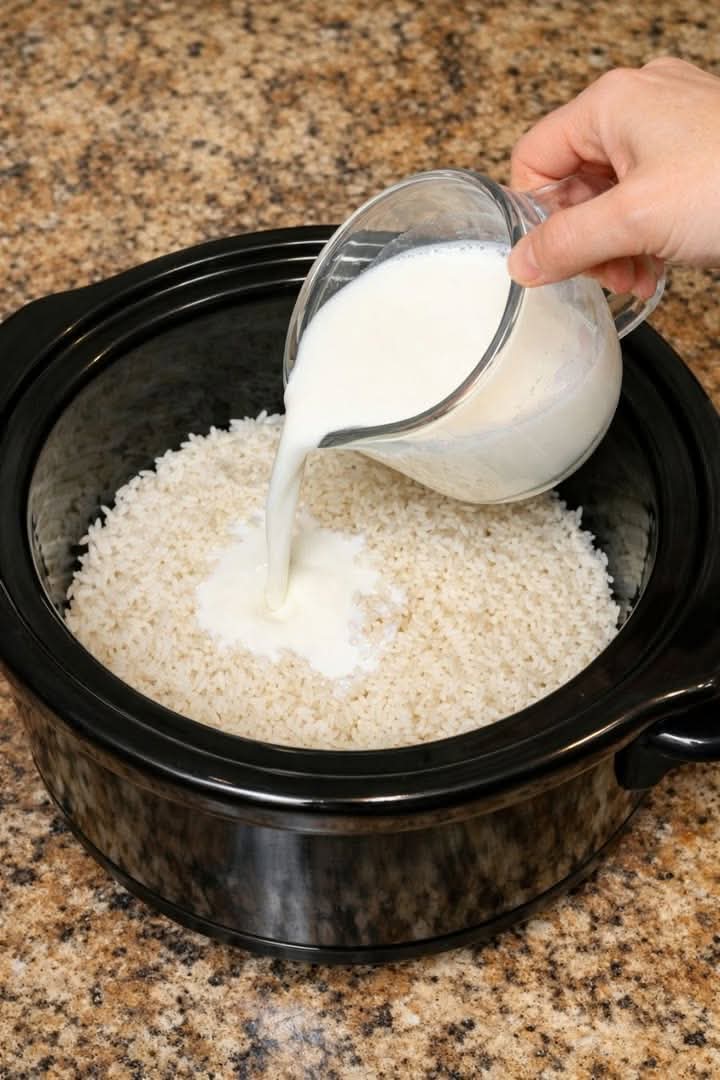
Pour Whole Milk Over Raw White Rice: The Slow Cooker Nostalgic Treat That Disappears Fast
There are certain desserts that taste like a hug from your grandmother – warm, creamy, gently sweet, and made with love. Slow cooker creamy rice pudding is exactly that. You simply pour whole milk over raw white rice, add a few humble ingredients, and let the slow cooker work its magic. Hours later, you are…
-
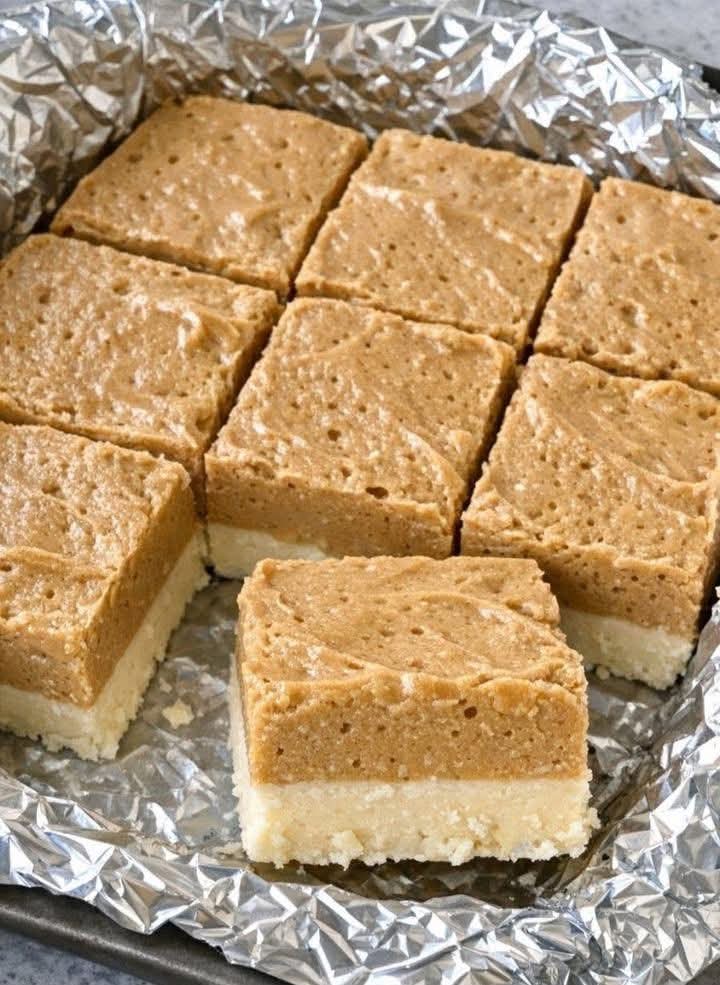
Slow Cooker 3 Ingredient Whipped Coffee Fudge: The Creamy, Caffeinated Two‑Layer Treat You Will Make on Repeat
Imagine a fudge so creamy it melts on your tongue, with a rich coffee kick that wakes up your taste buds. Now imagine making that fudge in your slow cooker with just three ingredients. This Slow Cooker Whipped Coffee Fudge is a two‑layer marvel – a velvety white chocolate base swirled with a fluffy, whipped…