
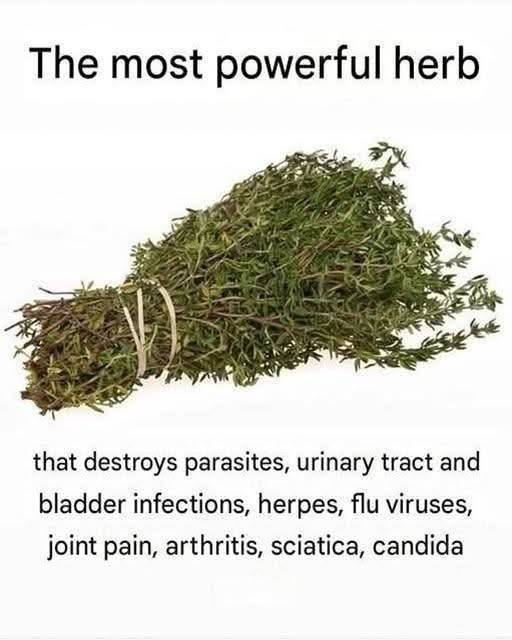
Throughout human history, people have turned to the earth for healing. Long before modern pharmacies lined our streets, there were gardens and forests filled with plants that offered comfort, relief, and support for countless ailments. Traditional healers passed down their knowledge through generations, creating a rich tapestry of herbal wisdom that continues to fascinate and benefit us today.
I’ve always been drawn to this ancient knowledge. There’s something deeply connecting about walking through a garden and knowing which leaf can soothe a headache, which root can calm an upset stomach, which flower can help you sleep. It’s a reminder that we’re part of nature, not separate from it.
But I also believe in being responsible with this knowledge. Herbs are powerful—they can support our health in wonderful ways, but they’re not magic bullets. They work best as part of a holistic approach to wellness that includes good nutrition, regular exercise, stress management, and yes, modern medicine when needed.
Today, I want to share with you eight remarkable herbs that have been used for centuries to support the body’s natural healing processes. I’ll tell you what they’re traditionally used for, what science says about them, and how you can incorporate them into your wellness routine safely and effectively.
A Note on Herbal Safety
Before we dive in, I need to say something important. Herbs are medicine. They contain active compounds that can interact with medications, affect medical conditions, and cause side effects. Just because something is “natural” doesn’t automatically mean it’s safe for everyone.
Please consult with a healthcare provider, especially if you:
· Are pregnant, nursing, or trying to conceive
· Have a chronic medical condition
· Take prescription medications
· Are preparing for surgery
· Are treating a child or elderly person
This article is for educational purposes only. It’s not medical advice. OK, let’s explore these remarkable plants.
- Garlic: The Stinking Rose with Superpowers
Garlic is so much more than a flavorful addition to your pasta sauce. This humble bulb has been used medicinally for thousands of years, and modern science is finally catching up to what our ancestors knew.
Traditional uses: Ancient Egyptians fed garlic to the slaves building the pyramids to give them strength and endurance. Greek athletes ate it before competitions. Through the centuries, it’s been used to fight infections, lower blood pressure, and support immune function.
What the science says: Garlic contains a compound called allicin, which is released when the cloves are crushed or chopped. Allicin has been shown to have antimicrobial, antifungal, and antiviral properties. Studies suggest that regular garlic consumption may help reduce the frequency of colds and flu, and can even shorten the duration of symptoms.
How to use it: For maximum benefit, crush or chop fresh garlic and let it sit for 10 minutes before cooking or eating. This allows the allicin to develop. You can add it to almost any savory dish, or even eat it raw (though your breath might pay the price).
For immune support: Some people swear by a daily “garlic shot” – a crushed clove mixed with a little honey and lemon. It’s potent, but many believe it’s worth it.
- Echinacea: The Immune System’s Cheerleader
If you’ve ever shopped for cold remedies, you’ve probably seen echinacea. This beautiful purple coneflower is native to North America and was used by Native American tribes for more than 400 years before European settlers arrived.
Traditional uses: The Plains Indians used echinacea for everything from toothaches to snake bites. They chewed the roots, made teas, and applied poultices to wounds and infections.
What the science says: Research on echinacea is mixed, but many studies suggest it can reduce your chances of catching a cold by about 10-20%. It may also shorten the duration of a cold by a day or two. The active compounds—including polysaccharides and alkamides—appear to stimulate the immune system, helping your body fight off invaders more effectively.
How to use it: Echinacea is most effective when taken at the very first sign of illness. You can find it as tea, tincture, or capsules. Some herbalists recommend taking it for 7-10 days, then taking a break, as the body may become less responsive with continuous use.
For best results: Look for products made from the above-ground parts (not just the root), and choose brands that test for potency.
- Cranberry: More Than Just a Juice
Cranberries are tart little powerhouses, and they’ve earned their reputation as one of the best natural supports for urinary tract health.
Traditional uses: Native Americans used cranberries for food, dye, and medicine. They introduced them to European settlers, who quickly adopted them for treating bladder and kidney issues.
What the science says: Cranberries contain compounds called proanthocyanidins (PACs) that prevent bacteria—particularly E. coli—from attaching to the walls of the urinary tract. This doesn’t kill the bacteria, but it helps your body flush them out before they can cause an infection. Studies show that cranberry products can reduce the risk of recurrent UTIs in women by about 25-35%.
Important note: Cranberry can help prevent UTIs, but it’s not strong enough to treat an active infection. If you have symptoms of a UTI, you need to see a doctor.
How to use it: Skip the sugary cranberry juice cocktails. Look for unsweetened cranberry juice or, even better, concentrated cranberry supplements that guarantee a certain amount of PACs.
- Ginger: The Warming Wonder
Ginger is one of my favorite herbs. It’s spicy, warming, and incredibly versatile. Plus, it’s delicious in everything from stir-fries to cookies to tea.
Traditional uses: Ginger has been used in Chinese and Ayurvedic medicine for thousands of years. It’s been valued for treating nausea, digestive issues, arthritis, and colds. In many cultures, it’s the first thing people reach for when their stomach is upset.
What the science says: Ginger is remarkably well-studied. Its anti-nausea effects are well-documented—it’s as effective as some prescription medications for motion sickness and morning sickness. It also has powerful anti-inflammatory properties, with some studies showing it can reduce muscle pain after exercise and ease osteoarthritis symptoms. Fresh ginger also contains compounds with antimicrobial activity.
How to use it: Fresh ginger root can be grated into teas, stir-fries, soups, and marinades. For nausea, many people find that sipping warm ginger tea or chewing on a thin slice of fresh ginger provides quick relief. You can also find ginger in capsules, tinctures, and candied forms.
For inflammation: Some herbalists recommend drinking ginger tea daily or taking a concentrated ginger supplement.
- Turmeric: The Golden Spice of Life
Turmeric has taken the wellness world by storm in recent years, and for good reason. This bright orange spice, related to ginger, is one of the most potent anti-inflammatory agents found in nature.
Traditional uses: Turmeric has been a cornerstone of Ayurvedic medicine for nearly 4,000 years. It’s been used for everything from wound healing to digestive support to improving overall vitality. In many cultures, it’s considered a sacred, purifying spice.
What the science says: The active compound in turmeric is curcumin, and it’s been studied extensively. Curcumin is a powerful anti-inflammatory that works through multiple pathways in the body. Some studies suggest it can be as effective as some anti-inflammatory drugs—without the side effects. It’s also a potent antioxidant and may support brain health, heart health, and joint function.
The catch: Curcumin is poorly absorbed by the body on its own. That’s why traditional preparations often include black pepper, which contains piperine—a compound that can increase absorption by up to 2,000%.
How to use it: Add turmeric to curries, soups, rice dishes, and even smoothies. For therapeutic benefits, look for supplements that include black pepper or piperine. Golden milk—a warm beverage made with turmeric, milk (dairy or plant-based), ginger, cinnamon, and black pepper—is a delicious and traditional way to enjoy it.
- Oregano: More Than Pizza Seasoning
Oregano is probably sitting in your spice rack right now, but you might not realize what a powerful herb it is. The oregano used in cooking is the same plant used medicinally for thousands of years.
Traditional uses: Ancient Greeks and Romans used oregano for treating infections, digestive issues, and respiratory problems. The name comes from the Greek words “oros” (mountain) and “ganos” (joy)—literally “joy of the mountain.”
What the science says: Oregano contains compounds called carvacrol and thymol, which have potent antimicrobial properties. Studies have shown that oregano oil can inhibit the growth of various bacteria, including some antibiotic-resistant strains. It also has antifungal and antiparasitic properties. The essential oil is much more concentrated than the dried herb and is used for therapeutic purposes.
How to use it: For everyday immune support, use dried oregano generously in your cooking. For more targeted effects, oregano oil is available in capsules or as a liquid. Important: Oregano oil is extremely potent and should always be diluted with a carrier oil if used topically. Never take undiluted essential oil internally without guidance from a qualified professional.
For respiratory support: Some people add a drop of oregano oil to a steam inhalation to help clear congestion.
- Thyme: The Ancient Healer
Thyme is another kitchen herb with an impressive medicinal history. It’s been valued for centuries for its ability to support respiratory health and fight infections.
Traditional uses: Ancient Egyptians used thyme in embalming. Greeks used it in their baths and burned it as incense in temples. Romans used it to purify their rooms and to give courage to soldiers. Through the ages, it’s been used for coughs, bronchitis, and digestive issues.
What the science says: Thyme contains thymol, a powerful antimicrobial compound that’s still used in modern mouthwashes and topical preparations. Studies have shown that thyme can help relax respiratory tract muscles, making it useful for coughs and bronchitis. It also has antioxidant and anti-inflammatory properties.
How to use it: Fresh or dried thyme makes a wonderful tea for respiratory support—just steep a few sprigs in hot water. You can also use thyme generously in cooking. Thyme essential oil is very potent and should be used with caution and proper dilution.
For coughs: Some herbalists recommend a thyme steam inhalation—add a few drops of thyme oil or a handful of fresh thyme to a bowl of hot water, drape a towel over your head, and inhale the steam.
- Peppermint: Cooling Comfort
Peppermint is one of the most beloved and accessible medicinal herbs. It grows like crazy in gardens, and its refreshing flavor and cooling sensation make it a favorite for teas and remedies.
Traditional uses: Peppermint has been used for thousands of years to soothe digestive issues, relieve headaches, and clear respiratory passages. Ancient Greek, Roman, and Egyptian cultures all valued it.
What the science says: The active compound in peppermint is menthol, which has a cooling effect and can help relax smooth muscles. Studies show that peppermint oil can be effective for irritable bowel syndrome (IBS), reducing symptoms like bloating and abdominal pain. It also has antimicrobial properties and can help clear nasal congestion when inhaled.
How to use it: Peppermint tea is wonderful for digestion—especially after a heavy meal. For tension headaches, applying diluted peppermint oil to the temples can provide relief. For respiratory issues, peppermint steam can help clear congestion.
Important: Peppermint oil is potent. Always dilute it with a carrier oil before applying to skin, and never ingest essential oils without proper guidance.
How to Incorporate Herbs Into Your Wellness Routine
Now that you know about these powerful plants, here are some simple ways to make them part of your daily life:
Start with tea. This is the gentlest and most accessible way to use herbs. A cup of ginger tea in the morning, peppermint after dinner, or echinacea at the first sign of a cold can become a lovely ritual.
Cook with them. Herbs aren’t just for medicine—they’re for food! Use garlic, oregano, thyme, and turmeric generously in your cooking. It’s a delicious way to get their benefits.
Try tinctures. These are concentrated herbal extracts made with alcohol or glycerin. A few drops under the tongue can be a quick, effective way to take herbs.
Consider capsules. For consistent dosing, especially with potent herbs like turmeric, capsules can be convenient.
Make herbal honey. Infusing honey with herbs like garlic or thyme creates a delicious, shelf-stable remedy. Use it in tea or on toast.
The Wise Herbalist’s Golden Rules
As you explore the world of herbs, keep these principles in mind:
Respect the plants. They’re powerful. Start with small amounts and see how your body responds.
Quality matters. Herbs are only as good as their source. Buy from reputable companies that test for purity and potency.
Be patient. Herbs work gently and gradually. They’re not quick fixes like pharmaceutical drugs. Give them time.
Listen to your body. You are the expert on you. If something doesn’t feel right, stop.
Keep learning. Herbalism is a lifelong journey. Read books, take classes, connect with experienced herbalists.
Work with professionals. Especially for serious conditions, seek guidance from qualified herbalists and healthcare providers.
The Wisdom of Tradition Meets Modern Science
What I find most beautiful about herbs is the convergence of ancient wisdom and modern science. Our ancestors didn’t know about allicin or curcumin or proanthocyanidins. They didn’t understand the biochemistry. But they knew—through centuries of careful observation—that these plants helped people feel better.
Now science is confirming what they knew. We’re discovering the mechanisms behind the medicine, and it only deepens my appreciation for the natural world and the people who came before us.
These eight herbs are just the beginning. There are thousands more, each with its own story, its own gifts, its own place in the great tapestry of traditional medicine.
I hope this article has inspired you to explore the world of herbs with curiosity and respect. Whether you’re sipping peppermint tea for digestion, adding turmeric to your dinner, or reaching for echinacea at the first sniffle, you’re participating in a tradition that’s as old as humanity itself.
And that’s pretty amazing.
A Final Word of Caution
I want to end where I began: with a reminder to be responsible with this information. Herbs can be wonderful allies for health and wellness, but they’re not substitutes for medical care when you need it.
If you have symptoms that concern you—especially signs of infection, severe pain, or persistent issues—please see a healthcare provider. Natural doesn’t always mean safe, and herbs can interact with medications and affect medical conditions.
The wisest approach to health integrates the best of traditional wisdom and modern medicine. Herbs and pharmaceuticals can work together, but only when guided by knowledgeable professionals.
Here’s to your health—naturally.
Have you worked with any of these herbs? What’s your experience been? I’d love to hear your stories in the comments below!
More Recipes You Might Like
-

Sandwich Crust Garlic Rolls – The Zero-Waste Appetizer You’ll Make Again and Again
Don’t throw away your sandwich crusts! Turn them into crispy, buttery garlic rolls in minutes. This zero-waste recipe is perfect for snacks, soups, or party appetizers. Let’s be honest: how many sandwich crusts have you tossed in the trash over the years? If you have kids (or picky adults) at home, the answer is probably…
-

Hospital Emptying Drink: What Science Really Says About This Healthy Blend
“hospital emptying” drinks promise to cure everything from cancer to high blood pressure. We separate fact from fiction, examine the science behind soursop, hibiscus, and turmeric, and offer a safe, realistic recipe. Let’s be honest: every few months, the internet finds a new “miracle drink.” One week it’s a detox tonic. The next, it’s a…
-

Air Fryer Sliced Potatoes – Crispy, Golden, and Ready in 20 Minutes
These air fryer sliced potatoes are crispy on the outside, tender on the inside, and ready in 20 minutes. Perfect for a quick side dish, breakfast hash, or snack. Only 4 ingredients! Let’s be honest: roasted potatoes are a comfort food classic. But who has time to wait 45 minutes for the oven to do…