
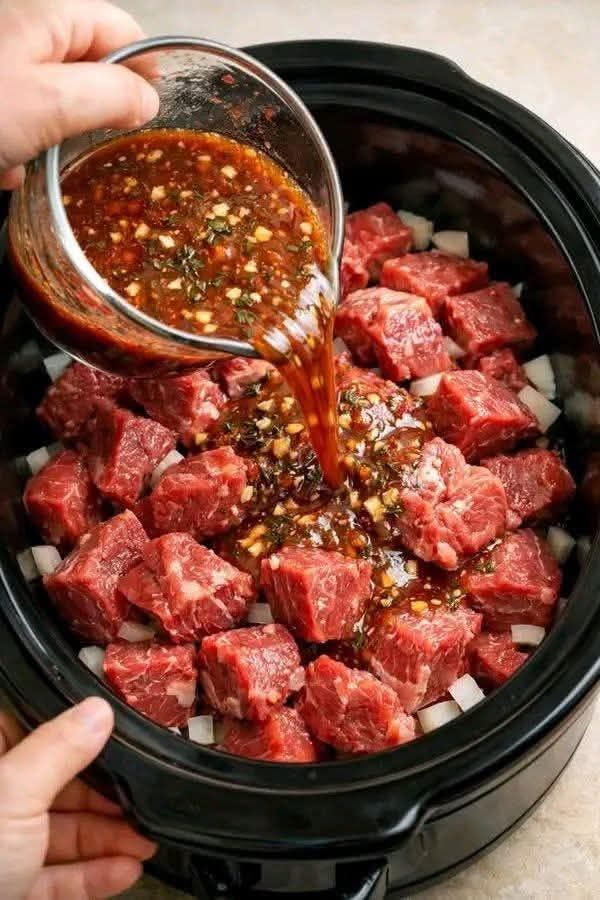
There are certain recipes that feel like a warm hug in a bowl. Beef stew is one of them. It’s the meal that fills your kitchen with incredible aromas for hours, the dish that brings family to the table without being asked, the comfort food that somehow tastes like memories even if you’ve never made it before.
But here’s the thing most people don’t realize: you don’t need a dozen ingredients or hours of active cooking to create a beef stew that tastes like it’s been simmering on a farmhouse stove all day. In fact, you only need four ingredients.
Yes, really. Four ingredients.
I discovered this recipe during a particularly busy winter when I wanted homemade comfort food but didn’t have the energy for elaborate grocery trips or complicated prep. I had a package of beef stew meat in the freezer, some potatoes in the pantry, and the usual suspects in my vegetable drawer. I figured I’d throw them together and hope for the best.
What came out of that Dutch oven was nothing short of magic. The beef was fall-apart tender. The vegetables were perfectly cooked. The broth was rich and savory despite containing nothing more than the ingredients themselves. My family actually thought I’d spent hours tending the pot.
Since that day, this four-ingredient beef stew has become a regular in our rotation. It’s what I make when I want something impressive with minimal effort. It’s what I make when someone needs comfort. It’s what I make when I simply can’t face another complicated recipe.
And today, I’m sharing every detail with you.
Why Four Ingredients Are All You Need
Before we dive into the recipe, let’s address the elephant in the room. How can four ingredients possibly create a stew with depth and complexity?
The answer lies in technique and the magic of slow cooking. When you give quality ingredients enough time and gentle heat, they transform. The beef releases its savory essence into the liquid. The vegetables break down slightly, thickening the broth naturally. The simple seasonings amplify what’s already there rather than covering it up.
This recipe proves that more isn’t always better. Sometimes the most satisfying dishes come from the simplest combinations, prepared with care and patience.
The Four Essential Ingredients
Let’s talk about each ingredient and why it matters. Since there are only four, quality makes a real difference here.
- Beef Stew Meat (2 pounds)
The star of the show. You want beef that’s suited for long, slow cooking—tougher cuts with good marbling that break down into buttery tenderness over time.
Best cuts for stew:
· Chuck roast: The gold standard for beef stew. It has excellent marbling and collagen that renders during cooking, creating rich flavor and tender meat.
· Round steak: Leaner than chuck but still works well. It won’t be quite as fork-tender but will still yield good results.
· Brisket: Another excellent choice with great flavor.
If possible, buy a whole chuck roast and cut it into 1½-inch cubes yourself. This ensures uniform size and lets you trim excess fat while leaving enough for flavor. Pre-cut “stew meat” from the store works perfectly well too—just look for pieces with some marbling rather than lean, dry chunks.
Pro tip: Pat the beef dry with paper towels before browning. This step is crucial for getting that deep, caramelized crust that adds immense flavor.
- Potatoes (2 pounds)
Potatoes serve multiple roles in this stew. They add heartiness, they thicken the broth naturally as they release starch, and they absorb the savory beef flavor during cooking.
Best potato choices:
· Yukon Gold: My top recommendation. They hold their shape well while becoming perfectly tender, and their buttery flavor complements the beef beautifully.
· Russet potatoes: These break down more, which actually helps thicken the stew. If you like a thicker broth, russets are your friend.
· Red potatoes: Waxy potatoes that hold their shape best. They’ll give you distinct potato pieces in every bite.
Peel your potatoes if you prefer, or leave the skins on for extra texture and nutrients. Cut them into chunks roughly the same size as your beef pieces—about 1½ inches.
- Carrots (1 pound)
Carrots bring sweetness that balances the savory beef, plus color that makes the stew visually appealing. As they cook, they release their natural sugars into the broth, adding complexity without any actual sugar.
Preparation: Peel your carrots and cut them into thick chunks, about 1-inch pieces. Baby carrots work in a pinch, but whole carrots cut into chunks have better flavor and texture.
- Beef Broth (4 cups)
The liquid that ties everything together. Since this is one of only four ingredients, using good broth makes a noticeable difference.
Options:
· Homemade beef stock: The absolute best choice if you have it. Rich, gelatinous, and packed with flavor.
· Quality store-bought broth: Look for low-sodium options so you can control the salt. Better Than Bouillon concentrate is an excellent choice that delivers rich flavor.
· Beef consommé: Richer and more concentrated than regular broth, this will give you an extra-flavorful result.
The broth transforms during cooking, mingling with the beef juices and vegetable starches to become something far greater than what went into the pot.
The Secret Ingredient That Isn’t Listed
Wait—four ingredients, but no salt? No pepper? No herbs?
Here’s the truth: salt and pepper are pantry staples, not “recipe ingredients” in the same way. I’m assuming you have these basics on hand. If you don’t, grab them because they’re essential.
Salt: You’ll need about 1-2 teaspoons of kosher salt, divided. Salt the beef before browning, then adjust at the end. Salt doesn’t just make things salty—it enhances all the other flavors and transforms the entire dish.
Pepper: Freshly ground black pepper adds warmth and depth. Use about 1 teaspoon throughout the cooking process.
Optional but transformative: While not required for the four-ingredient claim, a couple of sprigs of fresh thyme or a bay leaf added during cooking elevate the stew to another level. They’re not mandatory, but if you have them, use them.
Step-by-Step Instructions
Now let’s get cooking. This recipe takes about 15 minutes of active prep and then 2-3 hours of mostly unattended simmering. Perfect for a lazy Sunday or for coming home to a ready-made dinner.
Step 1: Prep Your Ingredients
Before you turn on the heat, have everything ready:
· Cut the beef into 1½-inch cubes if not already pre-cut
· Peel and cut potatoes into similar-sized chunks
· Peel and cut carrots into thick slices
· Measure your broth
· Have salt and pepper within reach
This mise en place approach makes the process smooth and prevents scrambling while things are on the stove.
Step 2: Brown the Beef (This Step Is Non-Negotiable)
This is the most important step for flavor. Do not skip it.
Heat a large Dutch oven or heavy-bottomed pot over medium-high heat. Add 2 tablespoons of oil (vegetable, canola, or olive oil work fine). The oil should shimmer but not smoke.
Pat the beef cubes completely dry with paper towels. Moisture is the enemy of browning—wet beef will steam instead of sear. Season the beef generously with salt and pepper on all sides.
Working in batches (do not overcrowd the pan!), add the beef in a single layer with space between pieces. Let it brown undisturbed for 3-4 minutes until a deep crust forms. Flip and brown on another side for 2-3 minutes. You’re not cooking the beef through—just creating that flavorful browned exterior.
Transfer browned beef to a plate and repeat with remaining batches. This browning creates fond—those browned bits stuck to the bottom of the pot—which is pure flavor gold.
Step 3: Deglaze the Pot
Once all beef is browned and removed, reduce heat to medium. Pour about ½ cup of your beef broth into the hot pot and scrape up all those browned bits with a wooden spoon. This deglazing step incorporates all that flavor into your stew.
Step 4: Combine Everything
Add the remaining broth to the pot. Return the beef and any accumulated juices to the pot. Add the potatoes and carrots. The liquid should almost cover the ingredients—if it doesn’t quite reach, add a little water.
Bring to a boil, then reduce heat to low. Cover and let simmer gently.
Step 5: Simmer Low and Slow
This is where patience pays off. Let the stew simmer for 2-3 hours. The longer it cooks, the more tender the beef becomes and the more the flavors meld.
Stir occasionally and check liquid levels. If it seems too thick, add a splash of water or more broth. If it seems too thin near the end, remove the lid for the last 30 minutes to let it reduce slightly.
You’ll know it’s done when the beef is fork-tender—it should shred easily with no resistance—and the vegetables are soft but not falling apart.
Step 6: Adjust Seasoning and Serve
Taste the stew and adjust salt and pepper as needed. Remember that flavors concentrate as the stew cooks, so you may need less than you think.
Ladle into bowls and serve hot. The broth should be rich and savory, the beef tender, the vegetables perfectly cooked.
Why This Recipe Works Every Time
Let’s break down the magic:
The beef provides flavor foundation. Browning creates the Maillard reaction, producing hundreds of flavor compounds. As the beef simmers, it releases gelatin and savory elements into the broth.
The potatoes thicken naturally. As potatoes cook, they release starch into the liquid. This creates body and richness without any flour or cornstarch. If you want an even thicker stew, mash a few potato pieces against the side of the pot and stir them in.
The carrots add sweetness and color. Their natural sugars balance the savory beef and add visual appeal.
The broth becomes something new. By the end of cooking, that plain beef broth has transformed into a complex liquid infused with beef drippings, vegetable essence, and concentrated flavors.
The Slow Cooker Method
Want to set it and forget it? This recipe adapts beautifully to a slow cooker.
Brown the beef on the stovetop first (this step is still essential).
Transfer browned beef to the slow cooker.
Add potatoes, carrots, and broth.
Cook on LOW for 8 hours or HIGH for 4-5 hours.
Adjust seasoning before serving.
The slow cooker version is perfect for busy days. Prep everything in the morning, and dinner is ready when you walk in the door.
Instant Pot Method
For faster results, the pressure cooker works beautifully:
Use the sauté function to brown the beef in batches.
Add broth and deglaze the pot.
Add potatoes, carrots, and browned beef.
Pressure cook on HIGH for 35 minutes with natural release.
Adjust seasoning and serve.
The Instant Pot version delivers that slow-cooked flavor in a fraction of the time.
Variations to Keep Things Interesting
While the four-ingredient version is perfect in its simplicity, sometimes you want to mix things up. Here are some variations that maintain the spirit of simplicity while adding variety.
Add Onions (Still Basically Four)
If you consider onions a pantry staple like salt and pepper, add one large diced onion when you brown the beef. Sauté until softened before adding the beef back. Onions add sweetness and depth.
Herbed Version
Add 2-3 sprigs of fresh thyme and a bay leaf during simmering. Remove before serving. The herbs add aromatic complexity without feeling like “extra ingredients.”
Garlic Lover’s Version
Add 4-5 peeled whole garlic cloves along with the vegetables. They’ll soften and mellow during cooking, adding subtle garlic flavor throughout.
Mushroom Version
Add 8 ounces of quartered mushrooms with the vegetables. Mushrooms add umami and earthiness that complements the beef beautifully.
Tomato Twist
Add a 14-ounce can of diced tomatoes (with juices) along with the broth. The acidity brightens the entire dish and adds another layer of flavor.
Red Wine Upgrade
Replace 1 cup of broth with 1 cup of dry red wine. Add it after browning the beef and let it reduce slightly before adding the remaining broth. The wine adds incredible depth.
Root Vegetable Medley
Replace some potatoes with parsnips, turnips, or sweet potatoes for variety. Different root vegetables bring different flavors and textures.
What to Serve With Beef Stew
This stew is substantial enough to be a meal on its own, but here are some classic pairings:
Crusty bread: A must for sopping up every last drop of broth. A baguette, sourdough, or rustic Italian bread works perfectly.
Buttered noodles: Serve the stew over egg noodles for a heartier meal.
Mashed potatoes: Double down on potatoes by serving over creamy mashed potatoes.
Rice: Simple white rice or brown rice soaks up the broth beautifully.
Green salad: A simple salad with vinaigrette provides freshness and contrast.
Roasted vegetables: If you want extra veggies alongside, roasted green beans or Brussels sprouts complement the stew well.
Storage and Make-Ahead Tips
Refrigerator: Store in an airtight container for up to 4 days. The flavor actually improves after a day as the ingredients continue to meld.
Freezer: This stew freezes beautifully. Cool completely, then transfer to freezer-safe containers or bags. Freeze for up to 3 months. Thaw overnight in the refrigerator before reheating.
Reheating: Gently reheat on the stovetop over medium-low heat, adding a splash of water or broth if needed. You can also microwave individual portions.
Make-Ahead: This is an excellent make-ahead meal. In fact, it’s even better the next day. Make it a day ahead and refrigerate overnight, then reheat gently before serving.
Why This Recipe Deserves a Place in Your Rotation
In our complicated world, there’s something deeply satisfying about a recipe that strips everything back to essentials. No long ingredient lists. No specialty items. No complicated techniques. Just good food, prepared simply, delivering exactly what you want.
This four-ingredient beef stew has gotten me through busy weeks and lazy weekends, through times when I wanted to impress and times when I just needed dinner on the table. It’s fed my family and friends, filled my home with incredible aromas, and reminded me that sometimes the best things really are the simplest.
The beef becomes impossibly tender. The potatoes soak up all that savory goodness. The carrots add sweetness and color. The broth transforms into something rich and comforting. Four ingredients, working together, creating magic.
I hope this recipe becomes a staple in your kitchen too. I hope you make it on cold winter nights and share it with people you love. I hope you tweak it and make it your own. And I hope every time you make it, you’re reminded that you don’t need complicated to create something extraordinary.
Have you tried this four-ingredient beef stew? Did you add your own twist? I’d love to hear about your experience in the comments below!
More Recipes You Might Like
-

Cherry Dump Cake: The 3-Ingredient Dessert That’s Almost Too Easy
Discover the magic of Cherry Dump Cake! With just 3 ingredients and 5 minutes of prep, this impossibly easy dessert creates a golden, buttery topping over sweet, tart cherry filling. Perfect for last-minute craving Let me tell you about the dessert that saved my reputation as a baker. I love to bake. I really do.…
-

Apple Pie Prepared with Only 3 Apples and in 10 Minutes – It Drives Me Crazy!
Discover the magic of this incredible apple pie made with just 3 apples and ready in 10 minutes! It’s the easiest, most delicious dessert you’ll ever make. Perfect for last-minute cravings and unexpected guests. Let me tell you about the apple pie that changed my life. I know that sounds dramatic, but hear me out.…
-

4 Ingredient Slow Cooker Unstuffed Cabbage Beef: The Easiest Comfort Food Ever
Discover the magic of 4-Ingredient Slow Cooker Unstuffed Cabbage Beef! All the flavor of traditional cabbage rolls without the fuss. Just toss it in the slow cooker and come home to a hearty, delicious dinner. Let me tell you about the recipe that saved my sanity on a hundred busy weeknights. I love cabbage rolls.…